Therapists and counsellors in the US, UK and Australia
Intimacy problems are a normal thing to bring to therapy.
Distance in a relationship, different levels of desire, trust after a breach, or physical intimacy that has become difficult. Every therapist and counsellor here lists intimacy-related issues among their specialties. Read their profiles and compare, with no account needed.
Where to start
Pick whatever sounds closest. It does not need to fit exactly, and you can always come back and choose another.
-
Feeling far apart
Affection has turned into routine, conversations stay on the surface, or you feel alone in the relationship.
-
Desire and physical intimacy
Wanting different amounts of closeness, or physical intimacy that has become difficult or uncomfortable.
-
Trust after a breach
Working out what happened, what you need now, and whether trust can be rebuilt.
-
Letting someone in
Pulling away, holding on too tightly, or expecting to be left: patterns that make closeness feel risky.
-
How you feel about yourself
Closeness is harder when you feel uneasy in your own skin or unsure you are worth it.
-
When life changes things
Pregnancy, a new baby, fertility treatment, illness or midlife can all change how close you feel.
-
Endings, new arrangements and the past
Separating, joining two families, a relationship that does not follow the usual pattern, or earlier hurt that still affects you.
Also in this directory: LGBT, Women's Issues, Men's Issues. Every topic
Some of the people in this directory
Each profile shows credentials, where the person is based, the approaches they use and the other topics they list.
-

Thomas (Tom) Warren
LCMHC - Relationships and Intimacy
-

Gary Grant
LMHC focused on intimacy and trauma
-
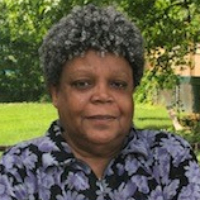
Delores Smith
Licensed Clinical Social Worker - Relationships and Intimacy
-

Deborah Taylor
LCSW in Illinois - relationships and intimacy concerns
-

Jeff Compton
Counsellor - relationships and intimacy
-

Mark Anderson
Licensed counselor - Intimacy and addictions
Before you reach out
Intimacy covers a lot of ground: affection and touch, but also saying what you feel, trusting that you will be heard, and letting someone see the parts of you that you usually keep back. It is common to feel awkward raising any of it. Therapists hear about these things often, and you can start with as much or as little detail as you like.
You do not need a partner to talk about intimacy. Plenty of people come on their own, whether they are in a relationship, between relationships or not looking for one.
Each profile shows the topics a person lists, the approaches they use, their experience and languages. Listing intimacy-related issues is not, by itself, a certification or proof of specialist training, so if a method or background matters to you, it is fair to ask.
Where you live
Therapists usually work within the country, or US state, where they are licensed or registered.
US states
- Alabama
- Alaska
- Arizona
- Arkansas
- California
- Colorado
- Connecticut
- Delaware
- District of Columbia
- Florida
- Georgia
- Hawaii
- Idaho
- Illinois
- Indiana
- Iowa
- Kansas
- Kentucky
- Louisiana
- Maine
- Maryland
- Massachusetts
- Michigan
- Minnesota
- Mississippi
- Missouri
- Montana
- Nebraska
- Nevada
- New Hampshire
- New Jersey
- New Mexico
- New York
- North Carolina
- North Dakota
- Ohio
- Oklahoma
- Oregon
- Pennsylvania
- Rhode Island
- South Carolina
- South Dakota
- Tennessee
- Texas
- Utah
- Vermont
- Virginia
- Washington
- West Virginia
- Wisconsin
- Wyoming
Read a few profiles, then decide.
Compare how each person works and what they list. You can come back at any time, and browsing does not commit you to anything.