
Alicia Clement
LPCMichigan · 5 yrs exp
Licensed Professional Counselor - Relationships and Intimacy
Stress, Anxiety · Relationship · Family · Self esteem · +12 more
Read profileTherapist listings are provided by BetterHelp. We will earn a commission at no additional cost to you if you use our links to purchase.
Browse profiles for professionals listed in Michigan who include intimacy and closeness in relationships among their specialties. Compare focus areas, approaches, languages, and credentials, and click any profile to learn more and confirm a therapist's permission to work with you where you live.
Michigan · 5 yrs exp
Licensed Professional Counselor - Relationships and Intimacy
Stress, Anxiety · Relationship · Family · Self esteem · +12 more
Read profile
Michigan · 45 yrs exp
Licensed counselor - Intimacy and addictions
Stress, Anxiety · Addictions · Trauma and abuse · Grief · +10 more
Read profile
Michigan · 25 yrs exp
LMSW in Michigan - Relationship and intimacy concerns
Stress, Anxiety · Family · Trauma and abuse · Parenting · +10 more
Read profile
Michigan · 16 yrs exp
Licensed counselor - relationships and addiction
Stress, Anxiety · Addictions · Relationship · Parenting · +8 more
Read profile
Michigan · 10 yrs exp
LPC counselor - relationships and intimacy
Stress, Anxiety · Family · Trauma and abuse · Grief · +12 more
Read profile
Michigan · 13 yrs exp
Licensed Professional Counselor - Intimacy and Trauma
Trauma and abuse · Intimacy-related issues · ADHD · Eating · +1 more
Read profile
Michigan · 15 yrs exp
LPC counselor - relationships and grief
Relationship · Family · Grief · Career · +6 more
Read profile
Michigan · 20 yrs exp
LMSW - Intimacy and relationship concerns
LGBT · Family · Intimacy-related issues · Parenting · +1 more
Read profile
Michigan · 10 yrs exp
Licensed social worker - relationships and addiction
Addictions · Relationship · Trauma and abuse · Self esteem · +16 more
Read profile
Michigan · 38 yrs exp
LMSW helping adults with intimacy and relationship concerns
Stress, Anxiety · Addictions · Family · Trauma and abuse · +16 more
Read profile
Michigan · 9 yrs exp
LMSW counselor - relationships and intimacy
Stress, Anxiety · Addictions · Relationship · Trauma and abuse · +15 more
Read profile
Michigan · 10 yrs exp
Licensed Professional Counselor - Relationships and Intimacy
Stress, Anxiety · Relationship · Family · Trauma and abuse · +9 more
Read profile
Michigan · 7 yrs exp
LMSW counselor - relationships and intimacy focused
Stress, Anxiety · Family · Trauma and abuse · Parenting · +13 more
Read profile
Michigan · 8 yrs exp
LPC counselor - relationships and intimacy
Stress, Anxiety · Relationship · Grief · Self esteem · +9 more
Read profile
Michigan · 35 yrs exp
LMSW LCSW - Relationships and Intimacy
Stress, Anxiety · Addictions · LGBT · Relationship · +11 more
Read profile
Michigan · 21 yrs exp
Licensed Professional Counselor - Relationships and Intimacy
Stress, Anxiety · Relationship · Self esteem · Career · +9 more
Read profile
Michigan · 10 yrs exp
LMSW therapist - intimacy and trauma
Stress, Anxiety · Addictions · Trauma and abuse · Anger · +9 more
Read profile
Michigan · 25 yrs exp
Licensed Professional Counselor - Relationships and Intimacy
Relationship · Family · Anger · Self esteem · +11 more
Read profile
Michigan · 25 yrs exp
Dr. Elaine Blair - LPC, Relationships and Intimacy
Relationship · Family · Self esteem · Career · +6 more
Read profile
Michigan · 9 yrs exp
LMSW therapist - intimacy and relationship concerns
Stress, Anxiety · Grief · Self esteem · Depression · +12 more
Read profile
Michigan · 7 yrs exp
Licensed Professional Counselor - Relationships and Intimacy
Stress, Anxiety · Relationship · Trauma and abuse · Grief · +12 more
Read profile
Michigan · 34 yrs exp
LMSW helping with relationships and intimacy issues
Addictions · Relationship · Family · Trauma and abuse · +1 more
Read profile
Michigan · 38 yrs exp
LMSW - Relationships and Intimacy
Stress, Anxiety · Family · Trauma and abuse · Parenting · +14 more
Read profile
Michigan · 7 yrs exp
Licensed Professional Counselor - Relationships and Intimacy
Stress, Anxiety · Relationship · Self esteem · Depression · +11 more
Read profile
Michigan · 18 yrs exp
LMFT in Michigan - relationships and intimacy
Stress, Anxiety · Relationship · Grief · Self esteem · +6 more
Read profile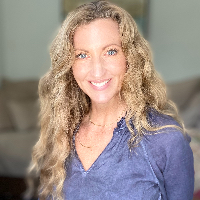
Michigan · 7 yrs exp
Licensed Marriage and Family Therapist - Relationships and Intimacy
Stress, Anxiety · Relationship · Grief · Self esteem · +12 more
Read profile
Michigan · 20 yrs exp
Licensed LMSW - Relationships and Intimacy
Stress, Anxiety · Relationship · Self esteem · Family · +6 more
Read profile
Michigan · 15 yrs exp
Licensed Professional Counselor - Relationships and Intimacy
Stress, Anxiety · Relationship · Trauma and abuse · Depression · +10 more
Read profile
Michigan · 12 yrs exp
Licensed Professional Counselor - Trauma and Intimacy
Stress, Anxiety · Trauma and abuse · Career · Depression · +11 more
Read profile
Michigan · 8 yrs exp
Licensed Marriage and Family Therapist - Relationships and Intimacy
Stress, Anxiety · Relationship · Self esteem · Coping with life changes · +12 more
Read profile
Michigan · 13 yrs exp
LMSW - Mood and relationship concerns
Stress, Anxiety · Addictions · Trauma and abuse · Bipolar · +16 more
Read profile
Michigan · 40 yrs exp
Licensed LMSW - Intimacy and anxiety
Stress, Anxiety · Trauma and abuse · Intimacy-related issues · Self esteem · +12 more
Read profile
Michigan · 10 yrs exp
Licensed Clinical Social Worker - Relationships and Trauma
LGBT · Relationship · Trauma and abuse · Anger · +9 more
Read profile
Michigan · 12 yrs exp
LPC, LPCC - Addiction and relationship concerns
Addictions · Relationship · Trauma and abuse · Self esteem · +11 more
Read profile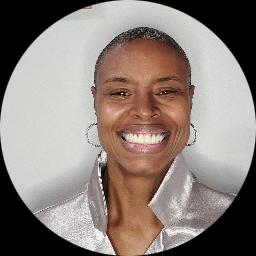
Michigan · 15 yrs exp
Licensed Professional Counselor - Intimacy and Relationships
Stress, Anxiety · Anger · Self esteem · Depression · +10 more
Read profile
Michigan · 15 yrs exp
LMSW providing therapy for relationships and trauma
Stress, Anxiety · Trauma and abuse · Self esteem · Addictions · +12 more
Read profile
Michigan · 20 yrs exp
Licensed LMSW - Relationships and Intimacy
Stress, Anxiety · Family · Self esteem · Depression · +12 more
Read profile
Michigan · 13 yrs exp
Licensed Marriage and Family Therapist - Relationships and Intimacy
Stress, Anxiety · Relationship · Grief · Intimacy-related issues · +10 more
Read profile
Michigan · 27 yrs exp
Licensed LMSW - Relationships and Intimacy
Stress, Anxiety · Relationship · Self esteem · Depression · +10 more
Read profile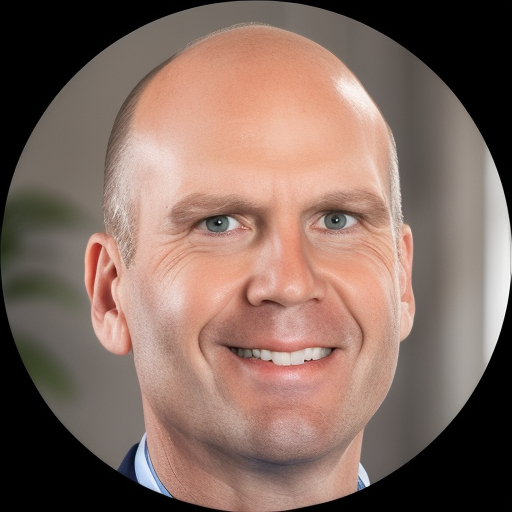
Michigan · 26 yrs exp
Licensed LMSW - Intimacy and Relationships
Stress, Anxiety · Trauma and abuse · Self esteem · Depression · +16 more
Read profile
Michigan · 10 yrs exp
Licensed counselor - Relationships and intimacy
Stress, Anxiety · Relationship · Family · Grief · +13 more
Read profile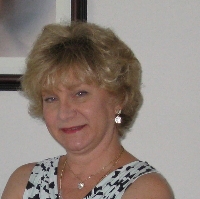
Michigan · 15 yrs exp
Licensed Professional Counselor - Relationships and Intimacy
Stress, Anxiety · Relationship · Family · Trauma and abuse · +9 more
Read profile
Michigan · 12 yrs exp
Licensed Professional Counselor - intimacy and relationships
Stress, Anxiety · Addictions · Trauma and abuse · Grief · +15 more
Read profile
Michigan · 20 yrs exp
Licensed counselor - intimacy and addictions
Stress, Anxiety · Addictions · Relationship · Trauma and abuse · +12 more
Read profile
Michigan · 6 yrs exp
Licensed social worker - relationship and grief support
Relationship · Grief · Self esteem · Coping with life changes · +13 more
Read profile
Michigan · 20 yrs exp
Dr. James Geidner - LCPC LPC, Relationships and Intimacy
Stress, Anxiety · Relationship · Trauma and abuse · Parenting · +15 more
Read profile
Michigan · 10 yrs exp
Licensed Professional Counselor - Intimacy and Addictions
Stress, Anxiety · Addictions · Self esteem · Bipolar · +14 more
Read profile
Michigan · 14 yrs exp
Licensed LMSW focused on intimacy and life transitions
Stress, Anxiety · Addictions · Anger · Self esteem · +9 more
Read profile
Michigan · 8 yrs exp
Licensed Professional Counselor - Relationships and Trauma
Stress, Anxiety · Relationship · Family · Trauma and abuse · +11 more
Read profile
Michigan · 5 yrs exp
Licensed Clinical Social Worker - Intimacy and Trauma
Stress, Anxiety · Addictions · LGBT · Trauma and abuse · +13 more
Read profile
Michigan · 5 yrs exp
Licensed Professional Counselor - Relationships and Intimacy
Family · Grief · Parenting · Self esteem · +10 more
Read profile
Michigan · 40 yrs exp
LMSW counselor - relationships and mental health
Stress, Anxiety · Relationship · Eating · Self esteem · +14 more
Read profile
Michigan · 27 yrs exp
Licensed Professional Counselor - Intimacy and relationships
Stress, Anxiety · Relationship · Trauma and abuse · Intimacy-related issues · +1 more
Read profile
Michigan · 4 yrs exp
LMSW LCSW - Relationships and Intimacy
Stress, Anxiety · Relationship · Family · Trauma and abuse · +8 more
Read profile
Michigan · 9 yrs exp
LMSW therapist - relationships and intimacy
Stress, Anxiety · LGBT · Relationship · Family · +13 more
Read profile
Michigan · 25 yrs exp
LMSW in Michigan - Intimacy and Relationship Concerns
Stress, Anxiety · Self esteem · Career · Depression · +16 more
Read profile
Michigan · 14 yrs exp
LMSW - Intimacy and trauma concerns
Addictions · Trauma and abuse · Grief · Depression · +11 more
Read profile
Michigan · 10 yrs exp
Licensed Professional Counselor - Anxiety and Relationships
Stress, Anxiety · Addictions · Trauma and abuse · Anger · +13 more
Read profile
Michigan · 25 yrs exp
LMSW focusing on relationships and anxiety
Stress, Anxiety · Relationship · Self esteem · Coping with life changes · +11 more
Read profile
Michigan · 30 yrs exp
Licensed Professional Counselor - Relationships and Intimacy
Stress, Anxiety · Relationship · Grief · Self esteem · +13 more
Read profileWhen you notice growing distance, less trust, or difficulty expressing vulnerability, it is common to want support that focuses specifically on closeness and connection. You may be thinking about how to rebuild emotional closeness, how to speak about unmet needs, or how to reestablish affection after a period of withdrawal. These are the kinds of concerns many people bring when they look for professionals who list intimacy and related topics among their specialties. Keep in mind that a specialty listing on a profile signals an area a professional lists as part of their focus, not proof of a particular certification or scope of practice. If you have physical symptoms such as pain, sexual health concerns, or medication questions, it is important to consult a doctor or another appropriate medical professional as part of understanding your options.
Choosing a professional to talk with about these issues is a personal decision. You might prefer a clinician who emphasizes attachment patterns and communication, someone who addresses trauma-related barriers to closeness, or a practitioner who highlights relational skills and emotional regulation. Profiles often include brief descriptions of focus areas and therapeutic approaches, and those summaries are a starting point to help you identify who to contact and what questions to ask next.
The directory groups profiles under the listed location Michigan to help you find professionals associated with that state. A listed location is not evidence of an office, of physical proximity, of eligibility, or of an active regulatory status in that location. You should review each profile carefully and confirm directly with the individual that they have permission to work with you where you live. In the United States, professional permission to practice is normally governed by licensing boards and by the specific state where a client is located. In the United Kingdom and Australia, professionals may show registration, membership, or other kinds of professional recognition which are not the same as US licensing. When you read a profile, notice the difference between an academic degree and professional permission to practice. Degrees such as PhD, PsyD, MD, MA, and MSW describe educational background. A degree alone does not establish current permission to practice in a given jurisdiction.
Profiles may also list approaches or interventions. For example, you may find therapists who list EMDR, attachment-informed work, or somatic approaches among their approaches. That listing indicates they include those approaches in their descriptions, but it does not by itself prove formal certification or a defined scope. Given that, you can use the profile to narrow options and then follow up with direct questions about a clinician's practice location, regulatory status, and areas of experience before deciding to speak with them.
When you reach out to a clinician, having specific questions will help you learn whether their style and experience fit your needs. You might ask how they describe their main focus when working with issues of emotional distance and trust, and whether they routinely work with the kinds of concerns you brought up. It is appropriate to ask whether they list sex therapy among their specialties and to follow with a question about whether that listing reflects additional credentialing or a particular scope, because a specialty label alone does not establish sex-therapy certification. Ask about populations they commonly work with and whether they have experience with issues related to aging, cultural identity, queer and trans experiences, or the intersection of mental and physical health if those aspects are important to you.
You can also ask clinicians how they blend different approaches in practice. For instance, many profiles mention a mix of psychodynamic, cognitive-behavioral, somatic, or attachment-informed work. Phrase your question to acknowledge that a clinician may list an approach among their methods by asking how they typically apply those approaches when addressing intimacy or closeness. Another practical question is whether they expect partners to participate when intimacy concerns are raised, and how they decide whether individual work or shared sessions are recommended. Keep the focus on understanding their typical practice and how they might handle the specific issues you want to address.
If you are considering online work with a professional who is listed in Michigan, make it a priority to confirm that they are permitted to work with you in your jurisdiction. Rules about provision of care across locations vary, and professionals listed in the directory may be associated with different regulatory frameworks depending on whether they are based in the US, the UK, Australia, or elsewhere. Ask directly whether the clinician has permission to provide care to someone living in your state or country and what that permission entails. You should also discuss practical matters such as how sessions will be conducted, what platform will be used, how your information is stored and protected, and the clinician's usual process for emergencies or crises.
Before you begin, it is reasonable to ask about session structure and what might be typical in early meetings - how long sessions usually last, how many sessions are recommended to begin with, and whether written notes or summaries are provided. If you have concerns about physical symptoms linked to intimacy, such as sexual pain or medical conditions that affect closeness, mention that early and ask how the clinician coordinates with medical providers. A clinician can discuss emotional and relational factors, but they should advise you to see a medical doctor for bodily or sexual-health symptoms as needed.
Comparing profiles effectively means looking beyond a few keywords to the combination of focus areas, declared approaches, languages spoken, degrees, and the tone of the clinician's description. Read how a clinician talks about their work. A profile that emphasizes attunement, affect regulation, or communication skills will read differently from one that highlights exploration of early attachment patterns or integration of body-centered work. Consider what resonates with you and think about concrete scenarios to use when you inquire, such as asking how they would approach long-standing emotional distance or difficulty expressing needs under stress.
Language capability can matter for feeling understood, so note whether a clinician lists additional languages or cultural competence areas. Look at degrees listed such as PhD, PsyD, MD, MA, or MSW as indicators of training background but remember that these do not guarantee current permission to practice where you are located. Also pay attention to the way clinicians describe their clinical style - some may use language that indicates a direct, skills-focused approach while others emphasize exploration and narrative. Use that observation to formulate questions like, "How would you describe your session style when working with intimacy concerns?" or "Can you describe your experience working with clients who share my background or identities?"
Ultimately, the profile is the beginning of a conversation. Use it to identify professionals whose written descriptions feel relevant and then contact them to confirm their permission to work with you where you live, to ask about their experience with the specific concerns you face, and to learn how they work. That direct exchange will give you the clearest information to decide whether to move forward with an initial conversation or consultation.
Chronic Illness
862 therapists
Control Issues
2509 therapists
Depression
5256 therapists
Domestic Violence
1664 therapists
Guilt and Shame
3566 therapists
Intimacy Issues
5708 therapists
Isolation / Loneliness
3185 therapists
Midlife Crisis
2067 therapists
Post-Traumatic Stress
2880 therapists
Postpartum Depression
1331 therapists
Self Esteem
5305 therapists
Social Anxiety and Phobia
3068 therapists
Stress & Anxiety
5481 therapists
Trauma and Abuse
4940 therapists
Abandonment
2380 therapists
Attachment Issues
2681 therapists
Blended Family Issues
1852 therapists
Body Image
1859 therapists
Codependency
2323 therapists
Commitment Issues
2011 therapists
Communication Problems
3781 therapists
Coping with Life Changes
5091 therapists
Divorce
2838 therapists
Family of Origin Issues
1731 therapists
Fertility Issues
611 therapists
Forgiveness
3155 therapists
Infidelity
2056 therapists
Jealousy
1853 therapists
Non-Monogamous Relationships
938 therapists
Physical Intimacy Concerns
563 therapists
Pregnancy
1090 therapists
Relationship
5462 therapists
Self-Love
3600 therapists