
Dr. Steven Hurley
IL Psychologist 071007009Illinois · 19 yrs exp
Illinois psychologist - intimacy and relationships
Stress, Anxiety · LGBT · Relationship · Trauma and abuse · +9 more
Read profileTherapist listings are provided by BetterHelp. We will earn a commission at no additional cost to you if you use our links to purchase.
Profiles on this page include Abandonment among their stated focus areas and approaches related to intimacy and closeness in relationships. Use the listed location and profile details to compare focus areas, professional credentials, languages and therapeutic style, then browse profiles to learn more.
Illinois · 19 yrs exp
Illinois psychologist - intimacy and relationships
Stress, Anxiety · LGBT · Relationship · Trauma and abuse · +9 more
Read profile
California · 14 yrs exp
Licensed counselor - relationships and intimacy
Stress, Anxiety · Relationship · Family · Intimacy-related issues · +9 more
Read profile
Texas · 13 yrs exp
LCSW - Relationships and Intimacy
Stress, Anxiety · Relationship · Trauma and abuse · Anger · +11 more
Read profile
Texas · 25 yrs exp
Licensed Professional Counselor - Relationships and Intimacy
Stress, Anxiety · Relationship · Parenting · Anger · +8 more
Read profile
Georgia · 8 yrs exp
Dr. Vivia Hill-Silcott, LPC - Relationships and Intimacy
Stress, Anxiety · Relationship · Family · Grief · +11 more
Read profile
Kentucky · 18 yrs exp
Licensed Marriage and Family Therapist - Relationships and Intimacy
LGBT · Relationship · Family · Self esteem · +14 more
Read profile
New York · 9 yrs exp
LMHC - Intimacy and Relationship Concerns
Addictions · LGBT · Intimacy-related issues · Depression · +9 more
Read profile
Florida · 25 yrs exp
Licensed Mental Health Counselor - Relationships and Trauma
Relationship · Trauma and abuse · Grief · Anger · +12 more
Read profile
Florida · 7 yrs exp
Licensed counselor - relationships and addiction
Addictions · Relationship · Family · Trauma and abuse · +13 more
Read profile
Pennsylvania · 12 yrs exp
Licensed counselor - relationships and anxiety
Stress, Anxiety · Relationship · Self esteem · Depression · +11 more
Read profile
North Carolina · 10 yrs exp
Licensed clinical social worker - relationships and anxiety
Stress, Anxiety · Relationship · Family · Bipolar · +16 more
Read profile
Florida · 17 yrs exp
Licensed mental health counselor - Relationships and intimacy
Stress, Anxiety · Addictions · Relationship · Family · +14 more
Read profile
Louisiana · 10 yrs exp
Licensed Professional Counselor - Relationships and Intimacy
Stress, Anxiety · Relationship · Family · Depression · +12 more
Read profile
Minnesota · 23 yrs exp
Licensed marriage and family therapist - Relationships and Intimacy
Stress, Anxiety · Relationship · Trauma and abuse · Self esteem · +13 more
Read profile
North Carolina · 10 yrs exp
Licensed counselor - Relationships and stress
Stress, Anxiety · Relationship · Family · Trauma and abuse · +12 more
Read profile
Colorado · 11 yrs exp
Licensed Professional Counselor - intimacy and relationships
Stress, Anxiety · LGBT · Trauma and abuse · Anger · +15 more
Read profile
North Carolina · 20 yrs exp
Licensed counselor - Relationships and intimacy
Stress, Anxiety · Relationship · Family · Self esteem · +9 more
Read profile
Texas · 22 yrs exp
Dr. Ngozi Okose - LPC, relationships and intimacy
Stress, Anxiety · Relationship · Trauma and abuse · Depression · +16 more
Read profile
Georgia · 19 yrs exp
Licensed Professional Counselor - Relationships and Intimacy
Stress, Anxiety · Addictions · Trauma and abuse · Self esteem · +11 more
Read profile
Virginia · 14 yrs exp
Licensed Professional Counselor - Trauma and Relationships
Trauma and abuse · Grief · Coping with life changes · Compassion fatigue · +12 more
Read profile
Florida · 20 yrs exp
Licensed counselor - relationships and addictions
Stress, Anxiety · Addictions · Relationship · Trauma and abuse · +15 more
Read profile
Texas · 33 yrs exp
Licensed Clinical Social Worker - Relationships and Intimacy
Stress, Anxiety · Relationship · Family · Self esteem · +11 more
Read profile
Michigan · 25 yrs exp
LMSW in Michigan - Relationship and intimacy concerns
Stress, Anxiety · Family · Trauma and abuse · Parenting · +10 more
Read profile
Arkansas · 23 yrs exp
Licensed Professional Counselor - Intimacy and Relationships
Stress, Anxiety · Trauma and abuse · Anger · Self esteem · +11 more
Read profile
Colorado · 5 yrs exp
LCSW in Colorado - Relationships and Intimacy
Stress, Anxiety · Relationship · Family · Trauma and abuse · +10 more
Read profile
Virginia · 47 yrs exp
Licensed Clinical Social Worker - Relationships and Intimacy
Stress, Anxiety · Relationship · Grief · Self esteem · +10 more
Read profile
Illinois · 20 yrs exp
Licensed Clinical Social Worker - Intimacy and Relationships
Stress, Anxiety · Grief · Self esteem · Depression · +11 more
Read profile
Kansas · 18 yrs exp
Licensed social worker - intimacy and relationships
LGBT · Family · Trauma and abuse · Parenting · +13 more
Read profile
Louisiana · 10 yrs exp
Licensed Professional Counselor - Relationships and Stress
Stress, Anxiety · Trauma and abuse · Anger · Self esteem · +12 more
Read profile
Oklahoma · 8 yrs exp
Licensed Professional Counselor - Relationships and Intimacy
Stress, Anxiety · Addictions · Self esteem · Depression · +11 more
Read profile
Florida · 28 yrs exp
LCSW - Mood and intimacy concerns
Addictions · Trauma and abuse · Parenting · Bipolar · +15 more
Read profile
Florida · 20 yrs exp
LCSW focusing on intimacy and trauma
Stress, Anxiety · Addictions · Trauma and abuse · Grief · +14 more
Read profile
Georgia · 7 yrs exp
Licensed Marriage and Family Therapist - Relationships and Intimacy
Stress, Anxiety · Relationship · Intimacy-related issues · Anger · +11 more
Read profile
Oregon · 17 yrs exp
LMFT focusing on intimacy and trauma
Stress, Anxiety · Trauma and abuse · Grief · Intimacy-related issues · +1 more
Read profile
Oklahoma · 20 yrs exp
Licensed Professional Counselor - Intimacy and Trauma
Stress, Anxiety · Addictions · Trauma and abuse · Anger · +8 more
Read profile
Louisiana · 10 yrs exp
Licensed Professional Counselor - Relationships and Intimacy
Stress, Anxiety · Trauma and abuse · Anger · Self esteem · +8 more
Read profile
North Carolina · 20 yrs exp
Licensed Clinical Social Worker - Intimacy and Addictions
Stress, Anxiety · Addictions · Family · Career · +16 more
Read profile
Colorado · 13 yrs exp
LMFT - Relationships and Intimacy
Stress, Anxiety · LGBT · Relationship · Trauma and abuse · +10 more
Read profile
Texas · 5 yrs exp
LCSW counselor - intimacy and mood concerns
Self esteem · Career · Bipolar · Depression · +8 more
Read profile
Florida · 18 yrs exp
Dr. Nicole Thweatt, LMHC - Relationships and Mood Concerns
Stress, Anxiety · Parenting · Anger · Self esteem · +13 more
Read profile
Missouri · 13 yrs exp
Licensed Clinical Social Worker - Relationships and Addictions
Stress, Anxiety · Addictions · Relationship · Family · +6 more
Read profile
Missouri · 23 yrs exp
Licensed Professional Counselor - Relationships and Intimacy
Stress, Anxiety · Relationship · Trauma and abuse · Depression · +9 more
Read profile
Pennsylvania · 23 yrs exp
Licensed Professional Counselor - Intimacy and Addiction
Stress, Anxiety · Addictions · Trauma and abuse · Self esteem · +12 more
Read profile
California · 6 yrs exp
Licensed MFT - Relationships and Intimacy
Stress, Anxiety · Addictions · Relationship · Depression · +10 more
Read profile
Pennsylvania · 15 yrs exp
Licensed Professional Counselor - Relationship and Intimacy concerns
Stress, Anxiety · Relationship · Self esteem · Depression · +14 more
Read profile
Wisconsin · 18 yrs exp
Licensed clinical social worker - intimacy and relationships
Stress, Anxiety · Parenting · Self esteem · Depression · +11 more
Read profile
Texas · 19 yrs exp
LPC focusing on relationships and intimacy
Stress, Anxiety · Relationship · Family · Trauma and abuse · +12 more
Read profile
Indiana · 11 yrs exp
LMHC - Intimacy and Relationship Concerns
Stress, Anxiety · Addictions · Trauma and abuse · Parenting · +14 more
Read profile
Alabama · 12 yrs exp
Licensed Professional Counselor - Relationships and Intimacy
Stress, Anxiety · Family · Anger · Self esteem · +13 more
Read profile
Illinois · 34 yrs exp
Illinois LCPC - Relationships and Intimacy
Stress, Anxiety · Relationship · Grief · Self esteem · +11 more
Read profile
Texas · 17 yrs exp
Dr. Dora Whiteside - LPC Texas, mood and intimacy concerns
Stress, Anxiety · Addictions · Self esteem · Bipolar · +15 more
Read profile
Illinois · 9 yrs exp
Illinois LCPC - Intimacy and relationships
Stress, Anxiety · LGBT · Grief · Self esteem · +9 more
Read profile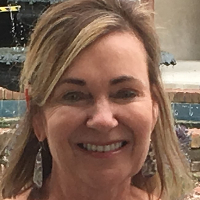
Kentucky · 15 yrs exp
Licensed Clinical Social Worker - relationships and mood
Stress, Anxiety · Relationship · Parenting · Anger · +13 more
Read profile
Michigan · 20 yrs exp
LMSW - Intimacy and relationship concerns
LGBT · Family · Intimacy-related issues · Parenting · +1 more
Read profile
Florida · 34 yrs exp
LMHC in Florida - Relationships and Intimacy
Stress, Anxiety · Relationship · Trauma and abuse · Grief · +9 more
Read profile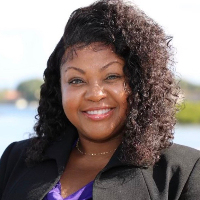
Florida · 9 yrs exp
LMHC in Florida - relationships and mood
Stress, Anxiety · Family · Parenting · Anger · +11 more
Read profile
Delaware · 24 yrs exp
LMFT - Relationships and Intimacy
Relationship · Family · Trauma and abuse · Parenting · +14 more
Read profile
California · 10 yrs exp
LMFT - Intimacy and Relationship Concerns
Stress, Anxiety · Addictions · Trauma and abuse · Self esteem · +15 more
Read profile
Iowa · 15 yrs exp
Licensed Mental Health Counselor - Relationship and Intimacy
Stress, Anxiety · LGBT · Relationship · Trauma and abuse · +13 more
Read profile
Mississippi · 20 yrs exp
Licensed counselor - intimacy and relationships
Stress, Anxiety · Addictions · Trauma and abuse · Anger · +14 more
Read profileWhen abandonment is part of what you are experiencing, the effects can reach into many areas of connection and daily life. You may notice a persistent fear that people will leave, difficulty trusting others, or a tendency to withdraw when relationships become closer. These reactions can show up in romantic relationships, friendships, or connections with family members. People often describe feeling emotionally distant from others even when they want greater closeness, or alternatively feeling overwhelmed by vulnerability when a relationship appears uncertain.
People look for help for different reasons - to understand patterns that developed in childhood, to manage anxiety when a partner is unavailable, or to repair intimacy after a breakup or repeated losses. The emotional experience can include strong feelings of grief, anger, or numbness. Some people also notice physical symptoms like trouble sleeping or muscle tension when worries about abandonment increase; if you have new or worsening physical symptoms it is reasonable to consult a doctor to rule out medical causes. Exploring these concerns in conversation with a therapist can provide a place to name patterns and experiment with new ways of relating that feel more manageable and authentic.
Abandonment and intimacy are closely related topics but they are not the same thing. Intimacy involves trust, vulnerability and mutual connection, while abandonment refers to fears or experiences of being left or emotionally cast aside. On this site you will find profiles of professionals who list Abandonment among their focus areas alongside other intimacy-related concerns such as trust, affection, and vulnerability. That listing indicates an area the professional notes on their profile; it is not an assertion about specific training or outcomes.
Therapists take different paths in how they describe their work. Some profiles will highlight approaches that focus on attachment, relational repair, or trauma-informed work. Other profiles may note cognitive-behavioral strategies, somatic approaches, emotion-focused work, or narrative methods. You may encounter therapists who list EMDR among their approaches, therapists who list cognitive-behavioral approaches, and others who describe relational or psychodynamic perspectives. These are options to discuss with a clinician rather than guarantees of any uniform method across the directory. Also be aware that professionals in the United States may be licensed in a particular state, while professionals in the United Kingdom or Australia may describe registration or membership with national bodies; an academic degree such as a PhD, PsyD, MD, MA or MSW is distinct from current permission to practice and should be considered separately when you review a profile.
When you review profiles, you will want to focus on concrete questions that matter for your situation. Ask whether the therapist commonly works with individuals who identify abandonment as a concern and whether they also work with couples or family systems if that is relevant for you. Inquire about the ways they describe their therapeutic style - do they tend to take a more directive, skills-based approach, or a reflective, exploratory one - and ask for examples of what a first few sessions might look like for someone bringing abandonment-related patterns.
Ask about the kinds of approaches the therapist lists and how they typically integrate them. For example, you might ask how a clinician who lists cognitive-behavioral approaches or emotion-focused perspectives adapts those tools for attachment-related worries. If you have experienced trauma or loss, ask how the therapist supports people living with those histories. It is also useful to ask about experience with specific populations or cultural contexts if that is relevant to you - for instance, whether the therapist has worked with people from similar cultural backgrounds, life stages, or relationship configurations. Clear questions about scope avoid assumptions: a profile topic does not, by itself, establish that a therapist treats children, couples, or families, so confirm the therapist's actual practice areas directly.
If you are considering care delivered online or across distances, there are important practical and ethical topics to cover before beginning. Confirm whether the clinician is authorized to practice in the jurisdiction where you are located - therapists licensed in a US state, or registered or members of professional bodies in the UK or Australia may have different permissions to practice across borders. Discuss how the therapist handles emergencies or situations that require immediate help, and agree on a clear plan for crisis support in your area. Talk about the technology you will use, expected session length, and how cancellations or rescheduling are handled so there are no surprises when you begin.
It is appropriate to ask about record keeping, consent procedures, and any intake paperwork they use to gather information about your history, current relationships, and immediate concerns. If you experience physical symptoms as part of your distress, such as unexplained pain or sleep disruption, mention these and ask if the therapist recommends consulting a medical professional. Before you start, make sure you feel comfortable asking about communication preferences between sessions and how the therapist describes boundaries around contact and response times. These practical conversations help set a clear working arrangement and allow you to decide whether a clinician's approach fits your needs.
When you compare profiles on this page, look for specific signals that align with what you need. Focus areas listed on a profile tell you which topics the clinician highlights, so notice whether Abandonment appears alongside attachment, grief, trust, or intimacy-focused work. Examine the approaches they list and think about whether you prefer skills-based strategies, relational exploration, or a combination. Remember to treat these listed approaches as conversation starters - therapists who list a given method may integrate it differently from one another, so plan to ask how they would apply it to your circumstances.
Languages and cultural competence can matter for how easily you express sensitive material. If speaking in a particular language or with awareness of cultural norms is important to you, look for that information in profiles and ask follow-up questions about experience in relevant cultural contexts. Review academic credentials listed on profiles - degrees such as PhD, PsyD, MD, MA or MSW indicate completed training but do not by themselves convey current registration or licensing status. Check the listed location to understand where a therapist is based and to help determine whether local regulations or jurisdictional issues might apply. Finally, consider tone and style: profiles often describe whether a clinician emphasizes insight, practical tools, or emotional processing. Use that language to form specific questions about what your sessions would likely feel like and how progress is discussed. Comparing these details will help you choose profiles to explore further and then contact clinicians with targeted questions that matter most to you.
Alabama
66 therapists
Alaska
10 therapists
Arizona
62 therapists
Arkansas
26 therapists
Australia
68 therapists
California
338 therapists
Colorado
108 therapists
Connecticut
39 therapists
Delaware
15 therapists
District of Columbia
15 therapists
Florida
500 therapists
Georgia
171 therapists
Hawaii
23 therapists
Idaho
20 therapists
Illinois
160 therapists
Indiana
81 therapists
Iowa
23 therapists
Kansas
37 therapists
Kentucky
55 therapists
Louisiana
115 therapists
Maine
15 therapists
Maryland
72 therapists
Massachusetts
51 therapists
Michigan
156 therapists
Minnesota
62 therapists
Mississippi
43 therapists
Missouri
149 therapists
Montana
24 therapists
Nebraska
27 therapists
Nevada
28 therapists
New Hampshire
18 therapists
New Jersey
120 therapists
New Mexico
28 therapists
New York
240 therapists
North Carolina
195 therapists
North Dakota
5 therapists
Ohio
112 therapists
Oklahoma
86 therapists
Oregon
33 therapists
Pennsylvania
158 therapists
Rhode Island
10 therapists
South Carolina
98 therapists
South Dakota
11 therapists
Tennessee
76 therapists
Texas
512 therapists
United Kingdom
1151 therapists
Utah
42 therapists
Vermont
9 therapists
Virginia
87 therapists
Washington
64 therapists
West Virginia
15 therapists
Wisconsin
68 therapists
Wyoming
13 therapists