- CBT techniques
- Client-centered care
- Solution-focused steps
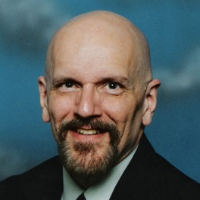
About Jack
Jack Richey is a Licensed Clinical Social Worker (LCSW) practicing in Illinois with 20 years of experience. He works with people facing stress, anxiety, depression, grief, relationship difficulties, intimacy-related issues, and life transitions. Jack also helps with concerns such as self-esteem, parenting strain, anger, and career questions.
He uses practical, straightforward conversations to help clients make sense of what is happening. Sessions focus on identifying patterns, testing small changes, and building clearer communication. Jack often draws on client-centered methods to listen and make the work feel relevant to each person.
Jack also uses cognitive behavioral techniques to identify unhelpful thoughts and try different behaviors. Solution-focused strategies are used when clients want concrete steps and quicker shifts in how they cope. These methods are described simply and put into daily life where they can matter.
In session he helps people address family of origin issues, commitment and communication problems, abandonment and blended family concerns. He also supports those dealing with caregiver stress, fatherhood questions, and feelings of emptiness or isolation.
Clients can expect clear discussion about goals, practical exercises to try between sessions, and regular check-ins on progress. Jack aims to be direct and pragmatic in helping people manage symptoms like panic, mood swings, or difficulty with intimacy. He invites people seeking change to explore options and plan next steps.
How his approaches translate to online work
Client-Centered Therapy focuses on listening and reflecting what matters to the client. Online sessions using this approach allow time to talk through relationship or intimacy concerns and set goals based on the client’s priorities.Cognitive Behavioral Therapy, or CBT, looks at the links between thoughts, feelings, and actions. In remote sessions CBT is used to identify unhelpful thinking patterns and to plan small experiments clients can try between meetings to test new ways of coping.
Solution-Focused Therapy concentrates on specific, achievable steps. It is useful when someone wants practical changes quickly, such as improving communication or handling a stressful situation differently.
Finding the right mix of approaches is part of the work. The therapist will collaborate with the client to decide which methods fit the person’s goals, needs, and preferences. This is reviewed and adjusted as progress is tracked.
Session formats are not specified in the biography, so confirm current session options before booking. Online work can make it easier to fit therapy into a busy week, allow shorter check-ins when needed, and reduce travel time. Those practical benefits help sessions become part of everyday life without promising a particular format.
Frequently asked questions
What problems does he help with?
He works with stress, anxiety, depression, grief, relationship and intimacy-related issues, and related concerns such as self-esteem and career stress.
What is his general therapy style?
He uses a direct, practical approach that emphasizes clear goals, behavioral experiments, and conversational work grounded in client-centered listening.
How much experience does he have?
He has 20 years of clinical experience practicing in Illinois.
What are his credentials and location?
He is an LCSW licensed in Illinois and practices from that state.
Which languages are supported?
Sessions are offered in English.
Does he work with international clients?
He does not accept international clients at this time.
How are sessions paid for?
Cost varies with location; sessions use a subscription that can be canceled at any time.
How do I begin working with him?
Select the See online therapy options button, complete the short matching questionnaire, and schedule a first session.