
Dr. Steven Hurley
IL Psychologist 071007009Illinois · 19 yrs exp
Illinois psychologist - intimacy and relationships
Stress, Anxiety · LGBT · Relationship · Trauma and abuse · +9 more
Read profileTherapist listings are provided by BetterHelp. We will earn a commission at no additional cost to you if you use our links to purchase.
On this page you can compare therapist profiles that list Trauma and Abuse among their specialties and see how they describe work related to intimacy and closeness. Browse by listed location, approaches, languages and credentials to find professionals whose experience and style match what you want.
Illinois · 19 yrs exp
Illinois psychologist - intimacy and relationships
Stress, Anxiety · LGBT · Relationship · Trauma and abuse · +9 more
Read profile
California · 14 yrs exp
Licensed counselor - relationships and intimacy
Stress, Anxiety · Relationship · Family · Intimacy-related issues · +9 more
Read profile
Texas · 13 yrs exp
LCSW - Relationships and Intimacy
Stress, Anxiety · Relationship · Trauma and abuse · Anger · +11 more
Read profile
Missouri · 23 yrs exp
Licensed Professional Counselor - Intimacy and Addictions
Stress, Anxiety · Addictions · Trauma and abuse · Career · +10 more
Read profile
Oregon · 17 yrs exp
LPC and LCPC - relationships and mood concerns
Stress, Anxiety · Anger · Self esteem · Career · +12 more
Read profile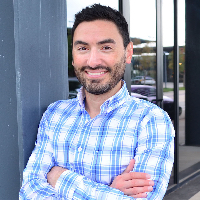
Kansas · 15 yrs exp
Licensed counselor - intimacy and relationships
Stress, Anxiety · Relationship · Family · Trauma and abuse · +14 more
Read profile
New Jersey · 15 yrs exp
Licensed Clinical Social Worker - Intimacy and Relationships
Stress, Anxiety · Family · Trauma and abuse · Parenting · +10 more
Read profile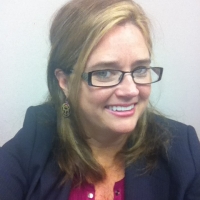
South Carolina · 25 yrs exp
Licensed Professional Counselor - Relationships and Intimacy
Relationship · Family · Intimacy-related issues · Parenting · +7 more
Read profile
North Carolina · 51 yrs exp
LCMHC - Relationships and Intimacy
Relationship · Intimacy-related issues · Parenting · Self esteem · +12 more
Read profile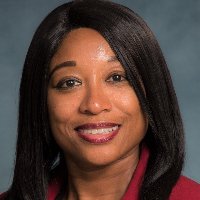
Georgia · 8 yrs exp
Dr. Vivia Hill-Silcott, LPC - Relationships and Intimacy
Stress, Anxiety · Relationship · Family · Grief · +11 more
Read profile
Kentucky · 18 yrs exp
Licensed Marriage and Family Therapist - Relationships and Intimacy
LGBT · Relationship · Family · Self esteem · +14 more
Read profile
New York · 9 yrs exp
LMHC - Intimacy and Relationship Concerns
Addictions · LGBT · Intimacy-related issues · Depression · +9 more
Read profile
Florida · 10 yrs exp
Licensed counselor - Relationships and Intimacy
Stress, Anxiety · Addictions · Anger · Depression · +12 more
Read profile
Florida · 25 yrs exp
Licensed Mental Health Counselor - Relationships and Trauma
Relationship · Trauma and abuse · Grief · Anger · +12 more
Read profile
New Jersey · 5 yrs exp
Licensed Professional Counselor - Relationships and Intimacy
Stress, Anxiety · Relationship · Family · Anger · +12 more
Read profile
Florida · 7 yrs exp
Licensed counselor - relationships and addiction
Addictions · Relationship · Family · Trauma and abuse · +13 more
Read profile
Illinois · 25 yrs exp
Licensed Clinical Social Worker - Relationships and Mood
Stress, Anxiety · Relationship · Grief · Depression · +10 more
Read profile
New York · 5 yrs exp
Licensed Mental Health Counselor - Relationships and Intimacy
Stress, Anxiety · LGBT · Trauma and abuse · Bipolar · +12 more
Read profile
Michigan · 5 yrs exp
Licensed Professional Counselor - Relationships and Intimacy
Stress, Anxiety · Relationship · Family · Self esteem · +12 more
Read profile
New York · 15 yrs exp
Licensed counselor - Intimacy and relationships
Stress, Anxiety · Trauma and abuse · Grief · Self esteem · +16 more
Read profile
Rhode Island · 18 yrs exp
LMHC - Anxiety and Relationship concerns
Stress, Anxiety · Relationship · Trauma and abuse · Grief · +12 more
Read profile
Arizona · 6 yrs exp
Licensed Professional Counselor - Relationships and Stress
Stress, Anxiety · Relationship · Family · Self esteem · +11 more
Read profile
Hawaii · 7 yrs exp
LMFT - Relationships and Intimacy support
Stress, Anxiety · Addictions · Relationship · Family · +11 more
Read profile
North Carolina · 10 yrs exp
Licensed clinical social worker - relationships and anxiety
Stress, Anxiety · Relationship · Family · Bipolar · +16 more
Read profile
Florida · 17 yrs exp
Licensed mental health counselor - Relationships and intimacy
Stress, Anxiety · Addictions · Relationship · Family · +14 more
Read profile
Louisiana · 10 yrs exp
Licensed Professional Counselor - Relationships and Intimacy
Stress, Anxiety · Relationship · Family · Depression · +12 more
Read profile
Michigan · 45 yrs exp
Licensed counselor - Intimacy and addictions
Stress, Anxiety · Addictions · Trauma and abuse · Grief · +10 more
Read profile
Texas · 10 yrs exp
Licensed Professional Counselor - Relationships and Intimacy
Relationship · Family · Anger · Self esteem · +12 more
Read profile
Minnesota · 23 yrs exp
Licensed marriage and family therapist - Relationships and Intimacy
Stress, Anxiety · Relationship · Trauma and abuse · Self esteem · +13 more
Read profile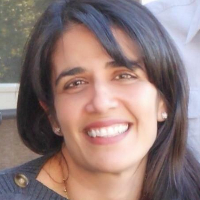
Florida · 3 yrs exp
LMHC - Relationship and intimacy concerns
Stress, Anxiety · Addictions · LGBT · Relationship · +12 more
Read profile
Pennsylvania · 16 yrs exp
Licensed Counselor - Relationships and Intimacy
Stress, Anxiety · Relationship · Family · Trauma and abuse · +11 more
Read profile
Florida · 30 yrs exp
Dr. Robert Nolan, LMHC - Mood and relationship concerns
Stress, Anxiety · Trauma and abuse · Bipolar · Depression · +16 more
Read profile
Louisiana · 22 yrs exp
Licensed counselor and marriage therapist - relationships and mood
Stress, Anxiety · Relationship · Family · Grief · +11 more
Read profile
North Carolina · 10 yrs exp
Licensed counselor - Relationships and stress
Stress, Anxiety · Relationship · Family · Trauma and abuse · +12 more
Read profile
Wisconsin · 23 yrs exp
Licensed Professional Counselor - Intimacy and Relationships
Stress, Anxiety · Trauma and abuse · Eating · Bipolar · +13 more
Read profile
Colorado · 11 yrs exp
Licensed Professional Counselor - intimacy and relationships
Stress, Anxiety · LGBT · Trauma and abuse · Anger · +15 more
Read profile
North Carolina · 20 yrs exp
Licensed counselor - Relationships and intimacy
Stress, Anxiety · Relationship · Family · Self esteem · +9 more
Read profile
North Carolina · 18 yrs exp
Dr. Shelia Williamson Collins - LPC LCPC, relationships and addictions
Stress, Anxiety · Addictions · Trauma and abuse · Anger · +13 more
Read profile
South Carolina · 20 yrs exp
Licensed social worker - relationships and anxiety
Stress, Anxiety · Relationship · Self esteem · Depression · +10 more
Read profile
Texas · 22 yrs exp
Dr. Ngozi Okose - LPC, relationships and intimacy
Stress, Anxiety · Relationship · Trauma and abuse · Depression · +16 more
Read profile
Kentucky · 11 yrs exp
Licensed Marriage and Family Therapist - Relationships and Intimacy
Stress, Anxiety · Relationship · Family · Self esteem · +9 more
Read profile
Georgia · 19 yrs exp
Licensed Professional Counselor - Relationships and Intimacy
Stress, Anxiety · Addictions · Trauma and abuse · Self esteem · +11 more
Read profile
Louisiana · 20 yrs exp
LMFT LPC - Relationships and Emotional Health
Stress, Anxiety · Addictions · Eating · Depression · +14 more
Read profile
North Carolina · 13 yrs exp
Licensed counselor - relationships and mood
Stress, Anxiety · Trauma and abuse · Anger · Self esteem · +14 more
Read profile
Nebraska · 14 yrs exp
LIMHP in Nebraska - Intimacy and mood concerns
Stress, Anxiety · Grief · Bipolar · Depression · +13 more
Read profile
Mississippi · 12 yrs exp
Licensed Clinical Social Worker - Intimacy and Relationships
Stress, Anxiety · Addictions · Anger · Self esteem · +12 more
Read profile
Florida · 10 yrs exp
Licensed Mental Health Counselor - Relationships and Intimacy
Stress, Anxiety · Family · Parenting · Self esteem · +10 more
Read profile
Alabama · 15 yrs exp
Licensed Professional Counselor - Intimacy and emotional health
Stress, Anxiety · Addictions · Relationship · Family · +12 more
Read profile
Virginia · 14 yrs exp
Licensed Professional Counselor - Trauma and Relationships
Trauma and abuse · Grief · Coping with life changes · Compassion fatigue · +12 more
Read profile
Colorado · 34 yrs exp
Dr. Rhoda Lipscomb - LPC, intimacy and sexual health
Stress, Anxiety · LGBT · Relationship · Intimacy-related issues · +8 more
Read profile
Texas · 18 yrs exp
Licensed Professional Counselor - Intimacy and Relationships
Stress, Anxiety · Relationship · Family · Parenting · +9 more
Read profile
Nevada · 20 yrs exp
LCPC, LMHC - Relationships and Intimacy
Stress, Anxiety · Addictions · Relationship · Family · +15 more
Read profile
Florida · 20 yrs exp
Licensed counselor - relationships and addictions
Stress, Anxiety · Addictions · Relationship · Trauma and abuse · +15 more
Read profile
Texas · 33 yrs exp
Licensed Clinical Social Worker - Relationships and Intimacy
Stress, Anxiety · Relationship · Family · Self esteem · +11 more
Read profile
Michigan · 25 yrs exp
LMSW in Michigan - Relationship and intimacy concerns
Stress, Anxiety · Family · Trauma and abuse · Parenting · +10 more
Read profile
Ohio · 20 yrs exp
LISW in Ohio - Relationship and intimacy concerns
Stress, Anxiety · LGBT · Family · Grief · +16 more
Read profile
Arkansas · 23 yrs exp
Licensed Professional Counselor - Intimacy and Relationships
Stress, Anxiety · Trauma and abuse · Anger · Self esteem · +11 more
Read profile
Colorado · 5 yrs exp
LCSW in Colorado - Relationships and Intimacy
Stress, Anxiety · Relationship · Family · Trauma and abuse · +10 more
Read profile
Florida · 29 yrs exp
Dr. Martha Groble - LPCC, LMHC, Florida
Stress, Anxiety · Trauma and abuse · Grief · Career · +7 more
Read profile
Virginia · 13 yrs exp
Licensed Professional Counselor - Intimacy and Relationship Concerns
Stress, Anxiety · Anger · Self esteem · Depression · +9 more
Read profileYou may be trying to understand why emotional distance, difficulty with vulnerability, or problems with trust are affecting your relationships. Trauma and abuse can be part of that picture for many people, and therapists who list Trauma and Abuse among their specialties often describe helping clients explore how past experiences shape current patterns. That does not mean every relationship difficulty is caused by trauma, and it is reasonable to approach this topic as one factor among others when you look through profiles. Reading how a therapist frames their work can give you a sense of whether they focus on emotional safety, boundaries, bodily awareness, or communication around affection and closeness.
When you read a profile, notice language that connects trauma-related concerns to everyday interactions - for example, mentions of trust, emotional regulation, or sexual well-being. Those phrases can help you imagine how conversations might go in sessions. Keep in mind that a listed topic on a profile does not establish that the therapist treats children, couples, or families; you should discuss the scope of practice directly with any clinician whose profile interests you. If you are experiencing physical symptoms related to past harm, it is also appropriate to consult a doctor to address those issues alongside therapy conversations.
When comparing profiles, focus on concrete details that matter to your situation. Look for how a therapist describes the kinds of relationship and intimacy issues they address - do they name intrusive memories, hypervigilance, avoidance of closeness, or difficulties with affection and desire? Pay attention to whether they mention working with survivors of different types of abuse or particular life stages, and whether they describe a particular population such as adults, older adults, or people with diverse sexual orientations or gender identities. Profiles often list therapeutic approaches; interpret those as avenues to explore, not guarantees of expertise. For instance, you might come across therapists who list EMDR among their approaches, or those who mention narrative, somatic, or relational frameworks. You can use those mentions to decide which profiles to read more closely.
Profiles also commonly indicate practical details that help you narrow options. Check listed location to find professionals near you if you prefer in-person work, and note languages offered if communicating in your preferred language matters. Credentials and degrees such as PhD, PsyD, MD, MA, or MSW appear on many profiles. Remember that academic degrees differ from professional permission to practice; in the United States clinicians typically hold licenses, while in the United Kingdom and Australia you may see registrations or professional memberships. A degree alone does not establish current permission to practice, so ask about professional status if that is important to you.
Preparing specific questions before you reach out can help you compare how different clinicians might fit your needs. You might ask how they describe their work with people who feel emotionally shut down in relationships, or how they approach rebuilding trust after abuse. If you are interested in particular approaches that appear on profiles, phrase your question to reflect that nuance - for example, ask whether they work with EMDR as one of several tools, or how they integrate somatic awareness into conversations about affection and closeness. Avoid assuming that a listed approach means the therapist exclusively uses it; instead ask how they choose or adapt methods for each person.
It is also useful to ask about experience with populations similar to you. You could inquire whether they have worked with people who share your cultural background, sexual orientation, or life stage, and how they consider those factors in relationship-focused work. You might ask about typical session topics in the early weeks, how goals are set together, and what you can expect in terms of homework or between-session practices if that matters to you. These questions help you move beyond general statements on a profile to a clearer idea of how the therapist collaborates with clients.
If you are considering online or remote sessions, there are practical points you should raise before beginning. Ask what platform or technology the clinician uses and whether they have a preferred way to handle interruptions or technical problems during a session. Talk about how they recommend creating a dependable environment for sensitive conversations, especially when discussing past harm or vulnerability. If you hope to involve a partner or another person in some conversations, clarify whether the therapist works with couples or prefers to see individuals first; remember that a listed topic does not establish that a therapist offers couples sessions.
It is also appropriate to discuss safety planning and emergency procedures, including what steps to take if you are in immediate danger or experiencing a health emergency. Therapists will typically explain how to get urgent help in your region, but you should also have local medical contacts when physical symptoms arise. If you are concerned about recorded information or notes, ask how the clinician manages records and what their policies are. These practical conversations help set expectations and let you assess whether communication style and logistics align with your needs.
When you have several profiles that appeal to you, compare them side by side using direct, specific criteria. Consider how each clinician describes work with intimacy - is it framed around rebuilding trust, addressing avoidance, exploring desire, or improving communication? Look at the balance between trauma-focused language and relational language to see which profiles emphasize the aspects that matter most to you. Compare mentioned approaches as options to discuss rather than proof of specialization. For example, you may prefer a therapist who lists somatic-informed or relational approaches alongside trauma work, while another may emphasize cognitive or narrative perspectives. Identifying your preference can narrow your choices.
Languages listed on profiles can be especially important if you find it easier to discuss emotions in a particular language. Compare credentials and how they are presented, noting degrees such as PhD, PsyD, MD, MA, or MSW and any stated professional licenses, registrations, or memberships. Keep in mind the regional differences in terminology between the United States, the United Kingdom, and Australia. Finally, pay attention to tone and style on profiles - some clinicians write in clinical language, others use conversational language that may feel more approachable. You can think of profiles as starting points for conversation; the next step is to reach out to ask the specific questions that matter to you and to find a match for both practical needs and therapeutic style.
Alabama
66 therapists
Alaska
10 therapists
Arizona
62 therapists
Arkansas
26 therapists
Australia
68 therapists
California
338 therapists
Colorado
108 therapists
Connecticut
39 therapists
Delaware
15 therapists
District of Columbia
15 therapists
Florida
500 therapists
Georgia
171 therapists
Hawaii
23 therapists
Idaho
20 therapists
Illinois
160 therapists
Indiana
81 therapists
Iowa
23 therapists
Kansas
37 therapists
Kentucky
55 therapists
Louisiana
115 therapists
Maine
15 therapists
Maryland
72 therapists
Massachusetts
51 therapists
Michigan
156 therapists
Minnesota
62 therapists
Mississippi
43 therapists
Missouri
149 therapists
Montana
24 therapists
Nebraska
27 therapists
Nevada
28 therapists
New Hampshire
18 therapists
New Jersey
120 therapists
New Mexico
28 therapists
New York
240 therapists
North Carolina
195 therapists
North Dakota
5 therapists
Ohio
112 therapists
Oklahoma
86 therapists
Oregon
33 therapists
Pennsylvania
158 therapists
Rhode Island
10 therapists
South Carolina
98 therapists
South Dakota
11 therapists
Tennessee
76 therapists
Texas
512 therapists
United Kingdom
1151 therapists
Utah
42 therapists
Vermont
9 therapists
Virginia
87 therapists
Washington
64 therapists
West Virginia
15 therapists
Wisconsin
68 therapists
Wyoming
13 therapists