
Lucy Peters
NCPSNew Hampshire · 10 yrs exp
NCPS counsellor - relationships and intimacy
Stress, Anxiety · Family · Trauma and abuse · Parenting · +11 more
Read profileTherapist listings are provided by BetterHelp. We will earn a commission at no additional cost to you if you use our links to purchase.
Explore profiles listed for New Hampshire to compare focus areas, therapeutic approaches, languages and credentials related to intimacy and closeness. Browse the profiles below to learn more and check each professional's details.
Check the individual profile and confirm permission to work together where you live before beginning any sessions.
New Hampshire · 10 yrs exp
NCPS counsellor - relationships and intimacy
Stress, Anxiety · Family · Trauma and abuse · Parenting · +11 more
Read profile
New Hampshire · 6 yrs exp
LCMHC - Anxiety and Relationship Concerns
Stress, Anxiety · Grief · Anger · Self esteem · +11 more
Read profile
New Hampshire · 10 yrs exp
LPC counselor - intimacy and emotional health
Stress, Anxiety · Addictions · Trauma and abuse · Self esteem · +15 more
Read profile
New Hampshire · 24 yrs exp
Licensed clinical social worker - relationships and trauma
Stress, Anxiety · Relationship · Trauma and abuse · Grief · +10 more
Read profile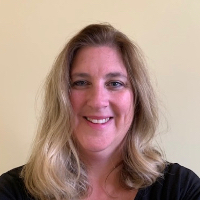
New Hampshire · 24 yrs exp
Licensed counselor - relationships and stress
Stress, Anxiety · Relationship · Family · Parenting · +7 more
Read profile
New Hampshire · 30 yrs exp
New Hampshire Psychologist - Relationships and Intimacy
Stress, Anxiety · Relationship · Trauma and abuse · Grief · +9 more
Read profile
New Hampshire · 28 yrs exp
Licensed Clinical Social Worker - relationships and addiction
Stress, Anxiety · Addictions · Trauma and abuse · Grief · +9 more
Read profile
New Hampshire · 38 yrs exp
Licensed counselor - relationships and intimacy
Relationship · Family · Eating · Parenting · +12 more
Read profile
New Hampshire · 20 yrs exp
Licensed Clinical Social Worker - Intimacy and Anxiety
Stress, Anxiety · Family · Grief · Depression · +13 more
Read profile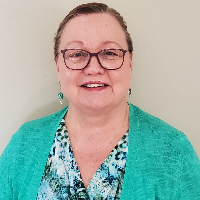
New Hampshire · 19 yrs exp
LMHC LCMHC - Intimacy and anxiety concerns
Stress, Anxiety · Family · Trauma and abuse · Self esteem · +12 more
Read profile
New Hampshire · 11 yrs exp
Licensed counselor - Intimacy and addictions
Stress, Anxiety · Addictions · Self esteem · Depression · +7 more
Read profile
New Hampshire · 13 yrs exp
Licensed Clinical Social Worker - Intimacy and Relationship Concerns
Stress, Anxiety · Grief · Self esteem · Career · +11 more
Read profile
New Hampshire · 20 yrs exp
Licensed clinical social worker - relationships and trauma
Family · Trauma and abuse · Parenting · Coping with life changes · +12 more
Read profile
New Hampshire · 18 yrs exp
LCSW - Relationships and Intimacy
Stress, Anxiety · Relationship · Family · Grief · +11 more
Read profile
New Hampshire · 14 yrs exp
Licensed counselor - intimacy and trauma
Stress, Anxiety · Addictions · Anger · Self esteem · +6 more
Read profile
New Hampshire · 30 yrs exp
Licensed counselor - Intimacy and mood concerns
Stress, Anxiety · Addictions · Self esteem · Depression · +8 more
Read profile
New Hampshire · 15 yrs exp
LCMHC - Relationships and Mood Concerns
Stress, Anxiety · Family · Trauma and abuse · Parenting · +13 more
Read profile
New Hampshire · 4 yrs exp
Licensed clinical social worker - Intimacy and anxiety
Stress, Anxiety · Trauma and abuse · Intimacy-related issues · Depression · +1 more
Read profileIf you are searching for help with emotional distance, trust, affection, vulnerability or reconnecting with a partner, it can be useful to name the specific experiences that feel most pressing to you. Some people look for support when emotional distance grows in a long-term relationship, when past hurts make it difficult to trust again, or when expressing need and desire feels risky. Others are seeking ways to deepen day-to-day closeness, to communicate about affection, or to manage anxiety around intimacy. Writing down a few concrete examples of moments when you feel disconnected can help you compare profiles and describe your priorities to a professional.
Keep in mind that a listed specialty of intimacy does not itself indicate a focus on couples work, sex therapy, or work with certain age groups. Therapists listed in this New Hampshire category may describe different emphases and populations. Some may work primarily with individuals on relational patterns, while others may offer support that includes partners. You should ask each professional how they typically address the issues you care about and whether partner participation is common or recommended for your concerns.
The fact that a profile is listed for New Hampshire means the therapist has associated their profile with that listed location, but it does not guarantee any particular office presence or licensing status. You should review the profile for details and contact the professional directly to confirm that they have permission to work with you where you live. In the United States that typically means a state license to practice in the state where services are provided. In the United Kingdom and Australia professionals may be registered or members of professional bodies; those distinctions are different from U.S. licensing systems and are described on many profiles in various ways.
Academic degrees such as PhD, PsyD, MD, MA or MSW indicate a level of advanced study, but a degree alone does not establish ongoing permission to practice in a given jurisdiction. When you compare profiles, look for language that clarifies current licensure, registration or membership appropriate to the country and region where you live. If the profile does not make this clear, plan to ask about it directly when you contact the practitioner. Confirming permission to work together where you live is an important step before scheduling any sessions.
When you reach out to a professional, having a few targeted questions ready can help you learn whether their way of working fits your needs. Ask how they approach concerns like emotional distance or rebuilding trust, and request examples of what a typical session might focus on in the early weeks. You can ask whether they commonly support individuals, partners, or both, and whether a partner must be present for certain topics. If a profile lists specific approaches, for example therapists who list EMDR among their approaches or those who list cognitive-behavioral strategies, ask how those approaches are used with intimacy-related concerns and whether they are likely to recommend talk-based exploration, skill-building, or body-informed work for your situation.
Also consider asking about experience with issues that matter to you beyond intimacy itself. Inquire about familiarity with trauma, cultural influences on relationships, sexuality-related concerns, or the ways mental and physical health intersect with closeness. If you have language preferences, ask about the languages offered and how interpretation is handled. Concrete questions give you clearer comparisons across profiles and help you choose a professional whose focus and style align with what you want to work on.
If you are considering remote sessions or hybrid options, it is helpful to discuss practical and clinical details up front. Ask whether the practitioner is permitted to offer care to residents of New Hampshire and any other state or country you may be in from time to time. Clarify expectations around scheduling, session length, how they handle technical interruptions, and what steps they recommend if you experience an emotional crisis between appointments. If your concerns include symptoms that may have medical causes - for example pain or changes in physical function related to sexual or intimate activity - check with a physician to explore those issues before relying solely on psychological support. A medical evaluation can be an important complement to relational work.
Consent, boundaries and emergency planning are appropriate topics to raise before you begin. You can ask how the clinician handles information-sharing boundaries-related matters, how they document care, and what resources they provide if you need additional support. If you prefer a particular therapeutic tone - directive, exploratory, pragmatic, reflective - describe that preference and ask whether it fits their usual style. These conversations help set expectations so you enter treatment with a clearer sense of how you and the practitioner might work together.
When you compare profiles in New Hampshire, look at four main dimensions: the focus areas they list, the approaches they mention, the languages they offer, and the credentials they hold. Focus areas tell you the kinds of intimacy-related concerns the practitioner highlights, such as trust rebuilding, sexual communication, or attachment patterns. When a profile lists approaches, remember to read that as an indication of what they use in practice - for example, therapists who list narrative work, psychodynamic methods, or somatic-informed approaches among their approaches - not as a guarantee of training or outcomes. Languages listed on a profile are practical details that can matter a great deal when discussing sensitive relational topics.
Credentials on a profile can include academic degrees and professional licensure or registration. Degrees like PhD, PsyD, MD, MA and MSW describe academic preparation and are informative, but they do not alone verify current permission to practice. Licenses, registrations or professional memberships operate differently across the U.S., U.K. and Australia, so read the profile text for the specific wording used and ask clarifying questions if it is not clear. Finally, pay attention to the tone of the profile and descriptions of therapeutic style - whether a practitioner emphasizes practical skills, reflective exploration, or a relational, empathic stance - and imagine which style would help you feel more comfortable addressing intimacy and closeness.
As you move from comparing profiles to reaching out, remember to confirm permission to work together where you live, discuss any physical symptoms with a medical provider as needed, and describe your priorities clearly. Thoughtful, concrete questions will help you find a professional profile that aligns with your needs and helps you take the next step toward exploring intimacy and connection in a way that feels right for you.
Chronic Illness
862 therapists
Control Issues
2509 therapists
Depression
5256 therapists
Domestic Violence
1664 therapists
Guilt and Shame
3566 therapists
Intimacy Issues
5708 therapists
Isolation / Loneliness
3185 therapists
Midlife Crisis
2067 therapists
Post-Traumatic Stress
2880 therapists
Postpartum Depression
1331 therapists
Self Esteem
5305 therapists
Social Anxiety and Phobia
3068 therapists
Stress & Anxiety
5481 therapists
Trauma and Abuse
4940 therapists
Abandonment
2380 therapists
Attachment Issues
2681 therapists
Blended Family Issues
1852 therapists
Body Image
1859 therapists
Codependency
2323 therapists
Commitment Issues
2011 therapists
Communication Problems
3781 therapists
Coping with Life Changes
5091 therapists
Divorce
2838 therapists
Family of Origin Issues
1731 therapists
Fertility Issues
611 therapists
Forgiveness
3155 therapists
Infidelity
2056 therapists
Jealousy
1853 therapists
Non-Monogamous Relationships
938 therapists
Physical Intimacy Concerns
563 therapists
Pregnancy
1090 therapists
Relationship
5462 therapists
Self-Love
3600 therapists