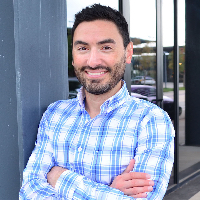
Lucas Streets
LCPC, LPCKansas · 15 yrs exp
Licensed counselor - intimacy and relationships
Stress, Anxiety · Relationship · Family · Trauma and abuse · +14 more
Read profileTherapist listings are provided by BetterHelp. We will earn a commission at no additional cost to you if you use our links to purchase.
Compare profiles to find practitioners who list Blended Family Issues alongside intimacy and closeness in relationships. Use the filters to review listed location, languages, qualifications and approaches, then browse profiles to find a fit for your situation.
Read practitioner descriptions and reach out to discuss how they describe their approach and experience before deciding what next step to take.
Kansas · 15 yrs exp
Licensed counselor - intimacy and relationships
Stress, Anxiety · Relationship · Family · Trauma and abuse · +14 more
Read profile
Kentucky · 18 yrs exp
Licensed Marriage and Family Therapist - Relationships and Intimacy
LGBT · Relationship · Family · Self esteem · +14 more
Read profile
New York · 9 yrs exp
LMHC - Intimacy and Relationship Concerns
Addictions · LGBT · Intimacy-related issues · Depression · +9 more
Read profile
Florida · 7 yrs exp
Licensed counselor - relationships and addiction
Addictions · Relationship · Family · Trauma and abuse · +13 more
Read profile
Michigan · 5 yrs exp
Licensed Professional Counselor - Relationships and Intimacy
Stress, Anxiety · Relationship · Family · Self esteem · +12 more
Read profile
Arizona · 6 yrs exp
Licensed Professional Counselor - Relationships and Stress
Stress, Anxiety · Relationship · Family · Self esteem · +11 more
Read profile
Hawaii · 7 yrs exp
LMFT - Relationships and Intimacy support
Stress, Anxiety · Addictions · Relationship · Family · +11 more
Read profile
North Carolina · 10 yrs exp
Licensed clinical social worker - relationships and anxiety
Stress, Anxiety · Relationship · Family · Bipolar · +16 more
Read profile
Florida · 17 yrs exp
Licensed mental health counselor - Relationships and intimacy
Stress, Anxiety · Addictions · Relationship · Family · +14 more
Read profile
Louisiana · 10 yrs exp
Licensed Professional Counselor - Relationships and Intimacy
Stress, Anxiety · Relationship · Family · Depression · +12 more
Read profile
Minnesota · 23 yrs exp
Licensed marriage and family therapist - Relationships and Intimacy
Stress, Anxiety · Relationship · Trauma and abuse · Self esteem · +13 more
Read profile
Pennsylvania · 16 yrs exp
Licensed Counselor - Relationships and Intimacy
Stress, Anxiety · Relationship · Family · Trauma and abuse · +11 more
Read profile
Colorado · 11 yrs exp
Licensed Professional Counselor - intimacy and relationships
Stress, Anxiety · LGBT · Trauma and abuse · Anger · +15 more
Read profile
Texas · 22 yrs exp
Dr. Ngozi Okose - LPC, relationships and intimacy
Stress, Anxiety · Relationship · Trauma and abuse · Depression · +16 more
Read profile
Kentucky · 11 yrs exp
Licensed Marriage and Family Therapist - Relationships and Intimacy
Stress, Anxiety · Relationship · Family · Self esteem · +9 more
Read profile
Florida · 10 yrs exp
Licensed Mental Health Counselor - Relationships and Intimacy
Stress, Anxiety · Family · Parenting · Self esteem · +10 more
Read profile
Texas · 33 yrs exp
Licensed Clinical Social Worker - Relationships and Intimacy
Stress, Anxiety · Relationship · Family · Self esteem · +11 more
Read profile
Ohio · 20 yrs exp
LISW in Ohio - Relationship and intimacy concerns
Stress, Anxiety · LGBT · Family · Grief · +16 more
Read profile
Arkansas · 23 yrs exp
Licensed Professional Counselor - Intimacy and Relationships
Stress, Anxiety · Trauma and abuse · Anger · Self esteem · +11 more
Read profile
Colorado · 5 yrs exp
LCSW in Colorado - Relationships and Intimacy
Stress, Anxiety · Relationship · Family · Trauma and abuse · +10 more
Read profile
Illinois · 20 yrs exp
Licensed Clinical Social Worker - Intimacy and Relationships
Stress, Anxiety · Grief · Self esteem · Depression · +11 more
Read profile
Oklahoma · 8 yrs exp
Licensed Professional Counselor - Relationships and Intimacy
Stress, Anxiety · Addictions · Self esteem · Depression · +11 more
Read profile
Florida · 28 yrs exp
LCSW - Mood and intimacy concerns
Addictions · Trauma and abuse · Parenting · Bipolar · +15 more
Read profile
Louisiana · 25 yrs exp
LPC counselor - Relationships and addiction
Addictions · Relationship · Family · Trauma and abuse · +11 more
Read profile
South Carolina · 5 yrs exp
Licensed Professional Counselor - relationships and intimacy
Relationship · Family · Trauma and abuse · Intimacy-related issues · +15 more
Read profile
Oregon · 17 yrs exp
LMFT focusing on intimacy and trauma
Stress, Anxiety · Trauma and abuse · Grief · Intimacy-related issues · +1 more
Read profile
Kansas · 5 yrs exp
LCSW clinician - relationships and intimacy
Stress, Anxiety · Trauma and abuse · Anger · Self esteem · +11 more
Read profile
Louisiana · 10 yrs exp
Licensed Professional Counselor - Relationships and Intimacy
Stress, Anxiety · Trauma and abuse · Anger · Self esteem · +8 more
Read profile
North Carolina · 20 yrs exp
Licensed Clinical Social Worker - Intimacy and Addictions
Stress, Anxiety · Addictions · Family · Career · +16 more
Read profile
Louisiana · 12 yrs exp
Licensed Professional Counselor - Relationships and Intimacy
Relationship · Parenting · Anger · Self esteem · +14 more
Read profile
Colorado · 13 yrs exp
LMFT - Relationships and Intimacy
Stress, Anxiety · LGBT · Relationship · Trauma and abuse · +10 more
Read profile
Texas · 12 yrs exp
Licensed Professional Counselor - Relationships and Trauma
Relationship · Trauma and abuse · Intimacy-related issues · Parenting · +1 more
Read profile
North Carolina · 20 yrs exp
Licensed counselor - Intimacy and mood concerns
Stress, Anxiety · Parenting · Self esteem · Depression · +15 more
Read profile
Texas · 11 yrs exp
Licensed Clinical Social Worker - Relationships and Intimacy
Stress, Anxiety · Relationship · Trauma and abuse · Self esteem · +5 more
Read profile
Texas · 5 yrs exp
LCSW counselor - intimacy and mood concerns
Self esteem · Career · Bipolar · Depression · +8 more
Read profile
Florida · 18 yrs exp
Dr. Nicole Thweatt, LMHC - Relationships and Mood Concerns
Stress, Anxiety · Parenting · Anger · Self esteem · +13 more
Read profile
Pennsylvania · 23 yrs exp
Licensed Professional Counselor - Intimacy and Addiction
Stress, Anxiety · Addictions · Trauma and abuse · Self esteem · +12 more
Read profile
Illinois · 23 yrs exp
Licensed Clinical Social Worker - Relationships and Intimacy
Stress, Anxiety · Trauma and abuse · Anger · Depression · +10 more
Read profile
Pennsylvania · 15 yrs exp
Licensed Professional Counselor - Relationship and Intimacy concerns
Stress, Anxiety · Relationship · Self esteem · Depression · +14 more
Read profile
Wisconsin · 18 yrs exp
Licensed clinical social worker - intimacy and relationships
Stress, Anxiety · Parenting · Self esteem · Depression · +11 more
Read profile
Texas · 10 yrs exp
Licensed Professional Counselor - Relationships and Intimacy
Stress, Anxiety · Relationship · Family · Grief · +13 more
Read profile
Texas · 19 yrs exp
LPC focusing on relationships and intimacy
Stress, Anxiety · Relationship · Family · Trauma and abuse · +12 more
Read profile
Texas · 11 yrs exp
LPC therapist - relationships and anxiety
Stress, Anxiety · Relationship · Family · Self esteem · +13 more
Read profile
Indiana · 11 yrs exp
LMHC - Intimacy and Relationship Concerns
Stress, Anxiety · Addictions · Trauma and abuse · Parenting · +14 more
Read profile
Alabama · 12 yrs exp
Licensed Professional Counselor - Relationships and Intimacy
Stress, Anxiety · Family · Anger · Self esteem · +13 more
Read profile
Texas · 17 yrs exp
Dr. Dora Whiteside - LPC Texas, mood and intimacy concerns
Stress, Anxiety · Addictions · Self esteem · Bipolar · +15 more
Read profile
Illinois · 9 yrs exp
Illinois LCPC - Intimacy and relationships
Stress, Anxiety · LGBT · Grief · Self esteem · +9 more
Read profile
Kentucky · 15 yrs exp
Licensed Clinical Social Worker - relationships and mood
Stress, Anxiety · Relationship · Parenting · Anger · +13 more
Read profile
Florida · 34 yrs exp
LMHC in Florida - Relationships and Intimacy
Stress, Anxiety · Relationship · Trauma and abuse · Grief · +9 more
Read profile
Delaware · 24 yrs exp
LMFT - Relationships and Intimacy
Relationship · Family · Trauma and abuse · Parenting · +14 more
Read profile
New York · 20 yrs exp
Licensed Mental Health Counselor - Relationships and Intimacy
Stress, Anxiety · Relationship · Family · Self esteem · +15 more
Read profile
California · 10 yrs exp
LMFT - Intimacy and Relationship Concerns
Stress, Anxiety · Addictions · Trauma and abuse · Self esteem · +15 more
Read profile
Iowa · 15 yrs exp
Licensed Mental Health Counselor - Relationship and Intimacy
Stress, Anxiety · LGBT · Relationship · Trauma and abuse · +13 more
Read profile
North Carolina · 5 yrs exp
Licensed counselor - relationships and intimacy
Stress, Anxiety · Family · Trauma and abuse · Depression · +15 more
Read profile
Florida · 9 yrs exp
Licensed Mental Health Counselor - Anxiety and Relationships
Stress, Anxiety · Trauma and abuse · Parenting · Depression · +10 more
Read profile
Pennsylvania · 11 yrs exp
Rev. Michael Abell - LPC, relationships and life changes
Stress, Anxiety · Relationship · Family · Parenting · +9 more
Read profile
Florida · 11 yrs exp
Licensed Mental Health Counselor - Intimacy and Relationships
Stress, Anxiety · Trauma and abuse · Grief · Depression · +8 more
Read profile
Alabama · 41 yrs exp
Licensed Professional Counselor - Stress and Relationships
Stress, Anxiety · Addictions · Trauma and abuse · Self esteem · +14 more
Read profile
Missouri · 19 yrs exp
Licensed counselor - relationships and trauma
Stress, Anxiety · Relationship · Trauma and abuse · Depression · +14 more
Read profile
Virginia · 10 yrs exp
Licensed Clinical Social Worker - Stress and Intimacy
Stress, Anxiety · Self esteem · Career · Coping with life changes · +11 more
Read profileWhen you are navigating a blended family, the practical changes around homes, schedules and parenting often sit alongside emotional challenges that affect trust and intimacy. You may notice greater distance between partners, uncertainty about roles with stepchildren, or recurring tension linked to past relationships. These concerns can show up as difficulty expressing affection, reluctance to be vulnerable, or uncertainty about where boundaries should be drawn. Children and adolescents may respond in ways that influence adult relationships, and ex-partner contact can raise questions that feel personal and relational rather than strictly logistical.
It is common to feel pulled between loyalty to birth family members and the desire to build closeness with new partners and stepchildren. You might want help naming what is happening, learning ways to restore warmth and emotional connection, or setting patterns that make day-to-day life feel more predictable. If you notice physical symptoms related to stress such as sleep changes, chronic pain, or new medical concerns, it is appropriate to consult a doctor as well as a mental health professional so you are addressing all aspects of well-being.
Blended family dynamics can influence how you experience closeness without determining it. Tension over parenting decisions, unresolved grief for a previous relationship, or different expectations about family life can all make you feel less emotionally available. At the same time, working on those specific family questions can create openings to rebuild trust and affection. Therapists who list Blended Family Issues on their profiles often frame work around patterns of connection, communication and boundaries - topics closely tied to intimacy and closeness - but a listing alone does not establish certification in any particular specialty.
This directory groups profiles that list Blended Family Issues as a focus so you can compare practitioners who mention that area alongside intimacy-related topics. That grouping is intended to help you identify profiles to review; it is not evidence of treatment outcomes or a particular training record. You should always ask directly about how a practitioner describes their work and whether their experience aligns with the needs you bring.
When you contact a practitioner, concrete questions will help you evaluate whether their style and experience match what you need. You can ask how they typically work with people in stepfamily transitions and what kinds of concerns they most frequently address. Ask whether they have experience supporting parents and partners who want to rebuild emotional closeness after separation or remarriage. If language matters to you, ask which languages are spoken in sessions and whether interpreters are ever used.
Be specific about scope. A profile that lists approaches such as family-systems work, attachment-informed methods or therapists who list EMDR among their approaches indicates interests to discuss, not proof of training or licensure. Ask how they define their role when you bring multiple people into sessions - whether they work with individuals, couples or families - and be clear about whether you want sessions that include children or other adults. In addition, clarify credentials by asking whether the person holds a professional license in the United States or is registered or a member of a professional body in the United Kingdom or Australia. Degrees such as PhD, PsyD, MD, MA or MSW describe academic qualifications but do not by themselves show current permission to practice, so ask about current registration or licensure in your jurisdiction.
If you plan to meet remotely, check practical and procedural details so you know what to expect. Discuss what platform they use, how they handle technical problems, and what the plan is if a session is interrupted. Ask about emergency procedures and how they handle situations that require local support where you are located. Because practitioners may be based in other countries or states, confirm whether they are permitted to work with clients in your listed location and how that affects any professional obligations.
It is also helpful to talk about your preferences for communication between sessions, how notes or summaries are handled, and what kinds of goals people commonly set when they address blended family and intimacy concerns. If physical symptoms are part of your experience, mention that up front so the practitioner can advise whether a medical evaluation would be appropriate as part of the plan. Clear agreements about scheduling, cancellations and session structure will help you focus on the relational work you want to accomplish.
When you review profiles, look for the combination of focus areas and descriptions that best match your priorities. Some practitioners emphasize communication skills and boundary-setting, others describe work with grief and transition, and some highlight experience with adolescent behavior and co-parenting. Consider whether a profile frames blended family issues in terms of attachment and closeness, conflict management, or practical problem-solving. Reading the way a practitioner writes about their work can give a sense of whether their tone feels empathic, directive, or collaborative to you.
Credentials and professional standing matter in different ways depending on where you live. In the United States, many practitioners hold state licenses that define their scope of practice. In the United Kingdom and Australia, clinicians may be registered or members of national professional bodies. Ask about both the degree and the current registration or license that authorizes practice where you live. Also compare languages spoken and cultural competence statements when these are important to your comfort and to the family dynamics you are addressing. Finally, consider therapeutic style - whether a practitioner describes more structured interventions or an open exploratory approach - and how that aligns with how you like to work.
Choosing someone to help with blended family issues and intimacy is a personal process. Use the profiles to narrow possibilities, ask direct questions about how they would approach your situation, and discuss the scope of care before you begin. A specialty listing does not establish that a practitioner treats children, manages couples work, or holds certification in sex therapy. Talk openly about what you need so you and the practitioner can decide together whether their focus areas and approach are the right match for your goals.
Alabama
66 therapists
Alaska
10 therapists
Arizona
62 therapists
Arkansas
26 therapists
Australia
68 therapists
California
338 therapists
Colorado
108 therapists
Connecticut
39 therapists
Delaware
15 therapists
District of Columbia
15 therapists
Florida
500 therapists
Georgia
171 therapists
Hawaii
23 therapists
Idaho
20 therapists
Illinois
160 therapists
Indiana
81 therapists
Iowa
23 therapists
Kansas
37 therapists
Kentucky
55 therapists
Louisiana
115 therapists
Maine
15 therapists
Maryland
72 therapists
Massachusetts
51 therapists
Michigan
156 therapists
Minnesota
62 therapists
Mississippi
43 therapists
Missouri
149 therapists
Montana
24 therapists
Nebraska
27 therapists
Nevada
28 therapists
New Hampshire
18 therapists
New Jersey
120 therapists
New Mexico
28 therapists
New York
240 therapists
North Carolina
195 therapists
North Dakota
5 therapists
Ohio
112 therapists
Oklahoma
86 therapists
Oregon
33 therapists
Pennsylvania
158 therapists
Rhode Island
10 therapists
South Carolina
98 therapists
South Dakota
11 therapists
Tennessee
76 therapists
Texas
512 therapists
United Kingdom
1151 therapists
Utah
42 therapists
Vermont
9 therapists
Virginia
87 therapists
Washington
64 therapists
West Virginia
15 therapists
Wisconsin
68 therapists
Wyoming
13 therapists