
Dr. Paul Deutsch
LPCWisconsin · 23 yrs exp
Licensed Professional Counselor - Intimacy and Relationships
Stress, Anxiety · Trauma and abuse · Eating · Bipolar · +13 more
Read profileTherapist listings are provided by BetterHelp. We will earn a commission at no additional cost to you if you use our links to purchase.
This page groups profiles by the listed location Wisconsin so you can compare focus areas, credentials, languages and therapeutic approaches. Browse the profiles below to learn which professionals list intimacy and closeness among their specialties and check each profile to confirm permission to work together where you live.
Wisconsin · 23 yrs exp
Licensed Professional Counselor - Intimacy and Relationships
Stress, Anxiety · Trauma and abuse · Eating · Bipolar · +13 more
Read profile
Wisconsin · 18 yrs exp
Licensed clinical social worker - intimacy and relationships
Stress, Anxiety · Parenting · Self esteem · Depression · +11 more
Read profile
Wisconsin · 20 yrs exp
Licensed Clinical Social Worker - Relationships and Intimacy
Stress, Anxiety · Relationship · Trauma and abuse · Self esteem · +15 more
Read profile
Wisconsin · 13 yrs exp
LCSW - relationships and intimacy support
Stress, Anxiety · Relationship · Family · Parenting · +13 more
Read profile
Wisconsin · 18 yrs exp
LPC in Wisconsin - relationships and intimacy
Stress, Anxiety · Family · Trauma and abuse · Depression · +11 more
Read profile
Wisconsin · 24 yrs exp
Wisconsin psychologist - relationships and anxiety
Stress, Anxiety · Relationship · Intimacy-related issues · Parenting · +9 more
Read profile
Wisconsin · 11 yrs exp
Licensed Clinical Social Worker - relationships and trauma
Stress, Anxiety · Relationship · Family · Trauma and abuse · +16 more
Read profile
Wisconsin · 8 yrs exp
Licensed counselor - relationships and trauma
Stress, Anxiety · Relationship · Trauma and abuse · Depression · +16 more
Read profile
Wisconsin · 15 yrs exp
Licensed Clinical Social Worker - Relationships and Intimacy
Stress, Anxiety · Relationship · Grief · Depression · +12 more
Read profile
Wisconsin · 8 yrs exp
Licensed Professional Counselor - Relationships and Intimacy
Relationship · Intimacy-related issues · Coping with life changes · Stress, Anxiety · +8 more
Read profile
Wisconsin · 10 yrs exp
Licensed Professional Counselor - Intimacy and Addictions
Stress, Anxiety · Addictions · Trauma and abuse · Self esteem · +9 more
Read profile
Wisconsin · 14 yrs exp
Licensed Professional Counselor - Intimacy and Trauma
Stress, Anxiety · Trauma and abuse · Self esteem · Depression · +10 more
Read profile
Wisconsin · 8 yrs exp
Licensed Professional Counselor - Intimacy and Relationships
Stress, Anxiety · Addictions · Trauma and abuse · Anger · +13 more
Read profile
Wisconsin · 3 yrs exp
Licensed Professional Counselor - Intimacy and Relationship Concerns
Stress, Anxiety · Addictions · Grief · Anger · +11 more
Read profile
Wisconsin · 7 yrs exp
Licensed Professional Counselor - Intimacy and Relationships
Stress, Anxiety · Addictions · Relationship · Trauma and abuse · +8 more
Read profile
Wisconsin · 10 yrs exp
Licensed counselor - Intimacy and relationships
Stress, Anxiety · Trauma and abuse · Grief · Anger · +11 more
Read profile
Wisconsin · 10 yrs exp
Licensed Clinical Social Worker - relationships and mental health
Stress, Anxiety · Anger · Self esteem · Depression · +10 more
Read profile
Wisconsin · 20 yrs exp
Licensed Professional Counselor - relationships and addiction
Stress, Anxiety · Addictions · Relationship · Depression · +12 more
Read profile
Wisconsin · 3 yrs exp
Wisconsin psychologist - intimacy and relationships
Stress, Anxiety · Grief · Anger · Depression · +9 more
Read profile
Wisconsin · 10 yrs exp
Licensed Marriage and Family Therapist - Relationships and Intimacy
Stress, Anxiety · Relationship · Family · Intimacy-related issues · +5 more
Read profile
Wisconsin · 30 yrs exp
LCSW - Intimacy and Relationship Concerns
Stress, Anxiety · Addictions · Relationship · Family · +15 more
Read profile
Wisconsin · 5 yrs exp
Licensed Professional Counselor - Relationships and Intimacy
Stress, Anxiety · Addictions · Relationship · Depression · +15 more
Read profile
Wisconsin · 11 yrs exp
LPC helping with relationships and personal concerns
Stress, Anxiety · Relationship · Trauma and abuse · Self esteem · +12 more
Read profile
Wisconsin · 3 yrs exp
Licensed Clinical Social Worker - Intimacy and trauma
Trauma and abuse · Self esteem · Career · Bipolar · +11 more
Read profile
Wisconsin · 3 yrs exp
LPC counselor - relationships and anxiety
Career · Stress, Anxiety · Relationship · Trauma and abuse · +6 more
Read profile
Wisconsin · 10 yrs exp
LCSW focusing on relationships and addiction
Stress, Anxiety · Addictions · Trauma and abuse · Anger · +15 more
Read profile
Wisconsin · 18 yrs exp
LCSW focusing on relationships and emotional health
Stress, Anxiety · Trauma and abuse · Anger · Depression · +10 more
Read profile
Wisconsin · 10 yrs exp
Licensed Professional Counselor - Intimacy and Relationships
Stress, Anxiety · Trauma and abuse · Self esteem · Career · +15 more
Read profile
Wisconsin · 4 yrs exp
Licensed Clinical Social Worker - Relationships and Intimacy
Stress, Anxiety · Addictions · Family · Trauma and abuse · +10 more
Read profile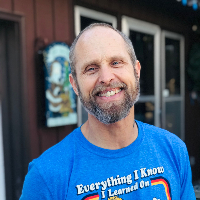
Wisconsin · 19 yrs exp
Licensed Clinical Social Worker - Addictions and Relationships
Stress, Anxiety · Addictions · Intimacy-related issues · Parenting · +11 more
Read profile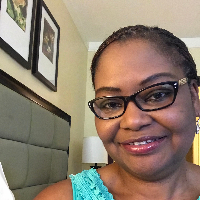
Wisconsin · 21 yrs exp
Licensed Professional Counselor - Relationships and Trauma
Stress, Anxiety · Relationship · Family · Trauma and abuse · +8 more
Read profile
Wisconsin · 6 yrs exp
Licensed counselor - relationships and intimacy
Stress, Anxiety · Relationship · Family · Bipolar · +13 more
Read profile
Wisconsin · 22 yrs exp
Wisconsin LCSW - relationship and intimacy concerns
Stress, Anxiety · Family · Trauma and abuse · Parenting · +15 more
Read profile
Wisconsin · 8 yrs exp
Licensed Clinical Social Worker - intimacy, addiction
Stress, Anxiety · Self esteem · Coping with life changes · Addictions · +12 more
Read profile
Wisconsin · 20 yrs exp
Licensed Professional Counselor - Relationships and Intimacy
Stress, Anxiety · Relationship · Family · Intimacy-related issues · +11 more
Read profile
Wisconsin · 5 yrs exp
Licensed Professional Counselor - relationships and intimacy
Stress, Anxiety · Relationship · Trauma and abuse · Parenting · +9 more
Read profile
Wisconsin · 11 yrs exp
LMFT in Wisconsin - relationships and grief
Relationship · Grief · Parenting · Self esteem · +9 more
Read profile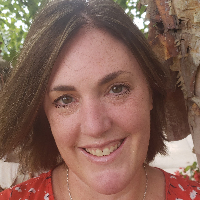
Wisconsin · 15 yrs exp
Dr. Jessica Mijal - Psychologist for adult concerns
Stress, Anxiety · Self esteem · Depression · Coping with life changes · +12 more
Read profile
Wisconsin · 12 yrs exp
Licensed Clinical Social Worker - Trauma and Intimacy
Stress, Anxiety · Addictions · Family · Trauma and abuse · +15 more
Read profile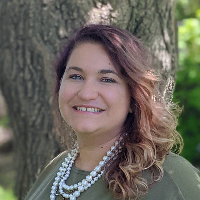
Wisconsin · 11 yrs exp
LCSW - Relationships and Intimacy
Stress, Anxiety · Trauma and abuse · Depression · Coping with life changes · +12 more
Read profile
Wisconsin · 7 yrs exp
Licensed Clinical Social Worker - Relationships and Intimacy
Stress, Anxiety · Addictions · Career · Coping with life changes · +13 more
Read profile
Wisconsin · 5 yrs exp
Licensed Professional Counselor - Intimacy and Trauma
Stress, Anxiety · Trauma and abuse · Grief · Self esteem · +14 more
Read profile
Wisconsin · 4 yrs exp
Licensed Professional Counselor - Relationships and Intimacy
Stress, Anxiety · Relationship · Anger · Self esteem · +10 more
Read profile
Wisconsin · 34 yrs exp
LCSW - Trauma and relationship concerns
Stress, Anxiety · Relationship · Family · Trauma and abuse · +16 more
Read profile
Wisconsin · 5 yrs exp
Licensed Professional Counselor - Intimacy and Relationships
Stress, Anxiety · Family · Trauma and abuse · Anger · +14 more
Read profile
Wisconsin · 5 yrs exp
Licensed counselor - relationships and intimacy
LGBT · Relationship · Intimacy-related issues · Parenting · +9 more
Read profile
Wisconsin · 20 yrs exp
Licensed Clinical Social Worker - Intimacy and Relationships
Stress, Anxiety · Trauma and abuse · Grief · Anger · +14 more
Read profile
Wisconsin · 5 yrs exp
Licensed Professional Counselor - Relationships and Intimacy
Stress, Anxiety · Relationship · Trauma and abuse · Eating · +6 more
Read profile
Wisconsin · 16 yrs exp
Licensed Professional Counselor - Relationships and Grief
Relationship · Family · Grief · Parenting · +7 more
Read profile
Wisconsin · 10 yrs exp
Dr. Ryan Knutson, LPC - Intimacy and Relationship Concerns
Stress, Anxiety · Addictions · Trauma and abuse · Anger · +15 more
Read profile
Wisconsin · 4 yrs exp
Licensed Professional Counselor - Relationships and Intimacy
Stress, Anxiety · Relationship · Intimacy-related issues · Coping with life changes · +8 more
Read profile
Wisconsin · 9 yrs exp
Licensed Professional Counselor - Relationships and Intimacy
Stress, Anxiety · Relationship · Trauma and abuse · Grief · +14 more
Read profile
Wisconsin · 4 yrs exp
LPCC and LPC - Addiction and relationships
Stress, Anxiety · Addictions · Relationship · Family · +12 more
Read profile
Wisconsin · 11 yrs exp
Licensed counselor - relationships and trauma
Relationship · Trauma and abuse · Intimacy-related issues · Self esteem · +14 more
Read profile
Wisconsin · 18 yrs exp
Licensed counselor - intimacy and relationships
Stress, Anxiety · Anger · Depression · Coping with life changes · +16 more
Read profile
Wisconsin · 10 yrs exp
LCSW focusing on intimacy and trauma
Stress, Anxiety · LGBT · Trauma and abuse · Intimacy-related issues · +16 more
Read profile
Wisconsin · 8 yrs exp
Wisconsin LCSW - intimacy and mental health
Stress, Anxiety · Family · Self esteem · Depression · +8 more
Read profile
Wisconsin · 8 yrs exp
Licensed counselor - Trauma and relationships
Stress, Anxiety · Trauma and abuse · Anger · Depression · +10 more
Read profile
Wisconsin · 11 yrs exp
Licensed counselor - intimacy and relationships
Stress, Anxiety · Trauma and abuse · Parenting · Depression · +12 more
Read profile
Wisconsin · 17 yrs exp
Licensed Professional Counselor - Relationships and Intimacy
Stress, Anxiety · Addictions · Bipolar · Depression · +14 more
Read profileWhen you start looking for help with emotional distance, trust, affection or vulnerability, it helps to name the specific concerns you want to address. You might be thinking about improving emotional closeness with a partner, managing anxiety that interferes with intimacy, exploring mismatched desire, or rebuilding trust after betrayal. Each of these concerns leads to different questions to ask and different areas of emphasis in therapy. As you read profiles in the listed location Wisconsin, notice the language used to describe focus areas and whether a profile mentions work with the kinds of experiences you are facing. Keep in mind that a specialty listing indicates an interest or focus but is not evidence of a particular certification or guaranteed experience. You should prepare to describe a few concrete examples of what is happening in your relationship and what a better situation would look like so you can quickly gauge if a professional’s described focus aligns with your needs.
The directory groups profiles under the listed location Wisconsin, but that grouping is not proof of an active office or in-state permission to practice. Profiles can represent clinicians from different countries, so you may see professionals who practice under US licensing, professionals in the UK who use registration or professional membership terms, and professionals in Australia who reference registration or membership as part of their credentials. Academic degrees such as PhD, PsyD, MD, MA or MSW describe educational qualifications and do not by themselves establish current permission to practice in a particular place. Licenses, registrations or professional memberships are the mechanisms that indicate standing in a jurisdiction, and the specifics vary by country and by US state. Because those details can be dynamic, check each profile carefully and confirm permission to work together where you live before beginning sessions. Also note that a listed topic does not establish that a therapist treats children, couples, or families; you should discuss your needs and the therapist’s actual scope directly.
When you reach out to a profile that seems like a fit, you will want to ask clear questions that help you compare clinicians. Practical comparison questions include asking what kinds of intimacy-related concerns the clinician commonly works with, how many years they have worked with those issues, and whether they describe working with similar relationship structures, ages or cultural backgrounds. You can ask which approaches they use and frame that in neutral terms - for example, you might ask about therapists who list cognitive-behavioral approaches, psychodynamic approaches, somatic approaches, mindfulness-based work, or therapists who list EMDR among their approaches - and then follow by asking how those approaches are typically applied to intimacy concerns. It is helpful to ask directly how the clinician defines a typical course of work for a particular issue, what they see as collaborative goals, and how they measure progress in a way that matters to you. You may also want to ask about the clinician’s experience with languages you prefer, or with populations for whom language and cultural fit are important, so you can better understand the therapeutic match beyond credentials alone.
If you are considering care that takes place via video or phone, clear questions ahead of time save frustration later. Ask whether the clinician can legally and ethically work with you from their location to yours, and confirm permission to work together where you live. Discuss emergency planning - what the clinician would recommend if you have a crisis during or between sessions - and whether they will provide local referrals if needed. Clarify the technology platforms they use and whether they have a preferred way of handling privacy during sessions so that you can plan a comfortable environment for yourself. If your concerns include physical symptoms that affect intimacy, ask whether they would recommend a medical evaluation and if so encourage you to see a doctor, since some sexual or medical issues are best evaluated by a medical professional. Also ask about expectations for session length and how they typically structure work when intimacy issues involve individual experiences rather than couple sessions, because a specialty listing does not imply that partner attendance is required or assumed.
Comparing profiles effectively means looking at several dimensions together rather than relying on a single label. Read the focus area descriptions to see if they name the specific concerns you brought with you. Look for mentions of the populations they see and the settings in which they have worked. Pay attention to languages listed on a profile if communicating in a non-English language is important to you, because therapeutic nuance and cultural understanding can shift when you speak in your preferred language. Treat credentials as complementary information - degrees show educational background while licensing, registration or membership indicate standing in a particular jurisdiction; do not assume a degree alone is evidence of permission to practice. Consider writing down a few priority criteria - for example, someone with experience in relationship repair and an emphasis on emotion-focused work who speaks Spanish - and then scan profiles to see which best align with those criteria. Style matters as much as method: some clinicians emphasize direct, skills-based work, others emphasize reflective exploration, and some foreground body-focused or mindfulness practices. The way a clinician describes their work can help you imagine what sessions might feel like, but the clearest information will come from a direct conversation. Remember that a specialty listing of intimacy-related topics simply indicates that the clinician lists those topics among their specialties; it is not evidence of certification in sex therapy, nor does it guarantee a particular session format. Before you commit to ongoing sessions, check each profile and confirm permission to work together where you live, then discuss scope, approach and any questions about coordination with other providers so you can make an informed decision about fit.
Chronic Illness
862 therapists
Control Issues
2509 therapists
Depression
5256 therapists
Domestic Violence
1664 therapists
Guilt and Shame
3566 therapists
Intimacy Issues
5708 therapists
Isolation / Loneliness
3185 therapists
Midlife Crisis
2067 therapists
Post-Traumatic Stress
2880 therapists
Postpartum Depression
1331 therapists
Self Esteem
5305 therapists
Social Anxiety and Phobia
3068 therapists
Stress & Anxiety
5481 therapists
Trauma and Abuse
4940 therapists
Abandonment
2380 therapists
Attachment Issues
2681 therapists
Blended Family Issues
1852 therapists
Body Image
1859 therapists
Codependency
2323 therapists
Commitment Issues
2011 therapists
Communication Problems
3781 therapists
Coping with Life Changes
5091 therapists
Divorce
2838 therapists
Family of Origin Issues
1731 therapists
Fertility Issues
611 therapists
Forgiveness
3155 therapists
Infidelity
2056 therapists
Jealousy
1853 therapists
Non-Monogamous Relationships
938 therapists
Physical Intimacy Concerns
563 therapists
Pregnancy
1090 therapists
Relationship
5462 therapists
Self-Love
3600 therapists