
Dr. Steven Hurley
IL Psychologist 071007009Illinois · 19 yrs exp
Illinois psychologist - intimacy and relationships
Stress, Anxiety · LGBT · Relationship · Trauma and abuse · +9 more
Read profileTherapist listings are provided by BetterHelp. We will earn a commission at no additional cost to you if you use our links to purchase.
Compare profiles of professionals who list Men's Issues and intimacy among their specialties to evaluate focus areas, therapeutic approaches, languages, and credentials. Browse profiles to find practitioners whose listed experience and approach match what you are looking for.
Illinois · 19 yrs exp
Illinois psychologist - intimacy and relationships
Stress, Anxiety · LGBT · Relationship · Trauma and abuse · +9 more
Read profile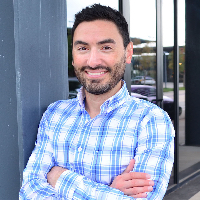
Kansas · 15 yrs exp
Licensed counselor - intimacy and relationships
Stress, Anxiety · Relationship · Family · Trauma and abuse · +14 more
Read profile
Texas · 25 yrs exp
Licensed Professional Counselor - Relationships and Intimacy
Stress, Anxiety · Relationship · Parenting · Anger · +8 more
Read profile
New York · 9 yrs exp
LMHC - Intimacy and Relationship Concerns
Addictions · LGBT · Intimacy-related issues · Depression · +9 more
Read profile
New York · 5 yrs exp
Licensed Mental Health Counselor - Relationships and Intimacy
Stress, Anxiety · LGBT · Trauma and abuse · Bipolar · +12 more
Read profile
Rhode Island · 18 yrs exp
LMHC - Anxiety and Relationship concerns
Stress, Anxiety · Relationship · Trauma and abuse · Grief · +12 more
Read profile
North Carolina · 10 yrs exp
Licensed clinical social worker - relationships and anxiety
Stress, Anxiety · Relationship · Family · Bipolar · +16 more
Read profile
Florida · 30 yrs exp
Dr. Robert Nolan, LMHC - Mood and relationship concerns
Stress, Anxiety · Trauma and abuse · Bipolar · Depression · +16 more
Read profile
North Carolina · 20 yrs exp
Licensed counselor - Relationships and intimacy
Stress, Anxiety · Relationship · Family · Self esteem · +9 more
Read profile
Kentucky · 11 yrs exp
Licensed Marriage and Family Therapist - Relationships and Intimacy
Stress, Anxiety · Relationship · Family · Self esteem · +9 more
Read profile
Louisiana · 20 yrs exp
LMFT LPC - Relationships and Emotional Health
Stress, Anxiety · Addictions · Eating · Depression · +14 more
Read profile
Mississippi · 12 yrs exp
Licensed Clinical Social Worker - Intimacy and Relationships
Stress, Anxiety · Addictions · Anger · Self esteem · +12 more
Read profile
Texas · 33 yrs exp
Licensed Clinical Social Worker - Relationships and Intimacy
Stress, Anxiety · Relationship · Family · Self esteem · +11 more
Read profile
Arkansas · 23 yrs exp
Licensed Professional Counselor - Intimacy and Relationships
Stress, Anxiety · Trauma and abuse · Anger · Self esteem · +11 more
Read profile
Virginia · 13 yrs exp
Licensed Professional Counselor - Intimacy and Relationship Concerns
Stress, Anxiety · Anger · Self esteem · Depression · +9 more
Read profile
Illinois · 20 yrs exp
Licensed Clinical Social Worker - Intimacy and Relationships
Stress, Anxiety · Grief · Self esteem · Depression · +11 more
Read profile
Oregon · 15 yrs exp
LPC counselor - intimacy and addiction concerns
Stress, Anxiety · Addictions · Relationship · Trauma and abuse · +12 more
Read profile
Oklahoma · 8 yrs exp
Licensed Professional Counselor - Relationships and Intimacy
Stress, Anxiety · Addictions · Self esteem · Depression · +11 more
Read profile
Louisiana · 25 yrs exp
LPC counselor - Relationships and addiction
Addictions · Relationship · Family · Trauma and abuse · +11 more
Read profile
Oklahoma · 20 yrs exp
Licensed Professional Counselor - Intimacy and Trauma
Stress, Anxiety · Addictions · Trauma and abuse · Anger · +8 more
Read profile
Missouri · 13 yrs exp
Licensed Clinical Social Worker - Relationships and Addictions
Stress, Anxiety · Addictions · Relationship · Family · +6 more
Read profile
Texas · 19 yrs exp
LPC focusing on relationships and intimacy
Stress, Anxiety · Relationship · Family · Trauma and abuse · +12 more
Read profile
Texas · 8 yrs exp
Licensed Professional Counselor - Relationships and Intimacy
Stress, Anxiety · Addictions · Trauma and abuse · Self esteem · +11 more
Read profile
Illinois · 9 yrs exp
Illinois LCPC - Intimacy and relationships
Stress, Anxiety · LGBT · Grief · Self esteem · +9 more
Read profile
Florida · 20 yrs exp
LCSW focusing on relationships and mental health
Stress, Anxiety · Relationship · Family · Trauma and abuse · +16 more
Read profile
California · 26 yrs exp
CA Psychologist - Relationships and Intimacy
Stress, Anxiety · Trauma and abuse · Grief · Self esteem · +13 more
Read profile
Michigan · 20 yrs exp
LMSW - Intimacy and relationship concerns
LGBT · Family · Intimacy-related issues · Parenting · +1 more
Read profile
Connecticut · 16 yrs exp
LCSW - Intimacy and relationship concerns
Stress, Anxiety · Addictions · Family · Anger · +14 more
Read profile
New York · 20 yrs exp
Licensed Mental Health Counselor - Relationships and Intimacy
Stress, Anxiety · Relationship · Family · Self esteem · +15 more
Read profile
California · 10 yrs exp
LMFT - Intimacy and Relationship Concerns
Stress, Anxiety · Addictions · Trauma and abuse · Self esteem · +15 more
Read profile
Iowa · 15 yrs exp
Licensed Mental Health Counselor - Relationship and Intimacy
Stress, Anxiety · LGBT · Relationship · Trauma and abuse · +13 more
Read profile
North Carolina · 5 yrs exp
Licensed counselor - relationships and intimacy
Stress, Anxiety · Family · Trauma and abuse · Depression · +15 more
Read profile
Texas · 36 yrs exp
Licensed Marriage and Family Therapist - Relationships and Intimacy
Stress, Anxiety · Addictions · Trauma and abuse · Grief · +14 more
Read profile
Florida · 10 yrs exp
Licensed Mental Health Counselor - Relationships and Intimacy
Stress, Anxiety · Addictions · Relationship · Anger · +7 more
Read profile
Virginia · 13 yrs exp
Licensed counselor - relationships and intimacy
Stress, Anxiety · Family · Trauma and abuse · Parenting · +12 more
Read profile
New York · 17 yrs exp
Licensed counselor - Intimacy and mood concerns
Stress, Anxiety · Self esteem · Career · Depression · +14 more
Read profile
Texas · 15 yrs exp
LPC and LMFT focused on relationships and intimacy
Stress, Anxiety · Relationship · Family · Intimacy-related issues · +1 more
Read profile
Mississippi · 25 yrs exp
Licensed Professional Counselor - relationships and intimacy
Stress, Anxiety · Relationship · Family · Grief · +11 more
Read profile
Ohio · 13 yrs exp
LIMFT and LPCC - relationships and intimacy
Stress, Anxiety · Relationship · Family · Parenting · +13 more
Read profile
Colorado · 8 yrs exp
Licensed Professional Counselor - Intimacy and Relationships
Stress, Anxiety · Trauma and abuse · Grief · Self esteem · +14 more
Read profile
Illinois · 13 yrs exp
LCPC counselor - relationships and mental health
Stress, Anxiety · Self esteem · Coping with life changes · Addictions · +10 more
Read profile
Texas · 20 yrs exp
Licensed Professional Counselor - Relationships and Intimacy
Stress, Anxiety · Relationship · Depression · Coping with life changes · +12 more
Read profile
Oklahoma · 22 yrs exp
LMFT in Oklahoma - Relationships and Intimacy
Stress, Anxiety · Relationship · Family · Addictions · +12 more
Read profile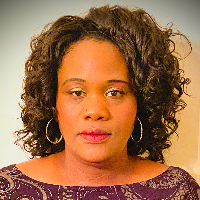
South Carolina · 9 yrs exp
Licensed professional counselor - Intimacy and relationships
Stress, Anxiety · Trauma and abuse · Grief · Depression · +16 more
Read profile
Ohio · 9 yrs exp
Counselor - Relationships and Intimacy
Relationship · Intimacy-related issues · Self esteem · Depression · +11 more
Read profile
Montana · 10 yrs exp
LCPC - Relationships and Intimacy
Stress, Anxiety · Trauma and abuse · Grief · Self esteem · +13 more
Read profile
Texas · 25 yrs exp
LMFT in Texas - Relationships and Intimacy
Stress, Anxiety · Addictions · Relationship · Parenting · +14 more
Read profile
Utah · 25 yrs exp
LCSW - Relationships and Intimacy
Stress, Anxiety · Relationship · Trauma and abuse · Grief · +14 more
Read profile
North Carolina · 5 yrs exp
Licensed counselor - Relationships and intimacy
Relationship · Grief · Eating · Anger · +12 more
Read profile
Florida · 12 yrs exp
LMHC and LPC - Relationship and Mood Concerns
Relationship · Self esteem · Depression · Coping with life changes · +9 more
Read profile
South Carolina · 11 yrs exp
Licensed Professional Counselor - Relationships and Intimacy
Stress, Anxiety · Family · Self esteem · Depression · +16 more
Read profile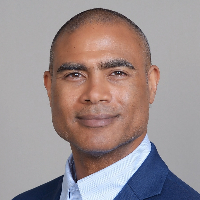
Texas · 17 yrs exp
Licensed counselor - Intimacy and mood concerns
Stress, Anxiety · Addictions · LGBT · Trauma and abuse · +11 more
Read profile
Texas · 3 yrs exp
Licensed Professional Counselor - Relationships and Trauma
Stress, Anxiety · Relationship · Family · Trauma and abuse · +13 more
Read profile
Michigan · 7 yrs exp
LMSW counselor - relationships and intimacy focused
Stress, Anxiety · Family · Trauma and abuse · Parenting · +13 more
Read profile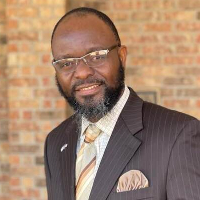
Texas · 6 yrs exp
Licensed Professional Counselor - Relationships and Intimacy
Stress, Anxiety · Relationship · Trauma and abuse · Grief · +10 more
Read profile
United Kingdom · 12 yrs exp
BACP counsellor - relationships and anxiety
Stress, Anxiety · Relationship · Grief · Parenting · +7 more
Read profile
Michigan · 8 yrs exp
LPC counselor - relationships and intimacy
Stress, Anxiety · Relationship · Grief · Self esteem · +9 more
Read profile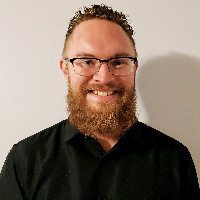
South Carolina · 10 yrs exp
Licensed Professional Counselor - Relationships and Addictions
Stress, Anxiety · Addictions · Relationship · Depression · +10 more
Read profile
California · 37 yrs exp
LMFT - Relationships and Intimacy
Addictions · Relationship · Family · Intimacy-related issues · +8 more
Read profile
Texas · 20 yrs exp
LCSW - Relationships and Intimacy
Stress, Anxiety · Addictions · LGBT · Anger · +9 more
Read profileIf you are looking for help with emotional distance, trust, affection, vulnerability, or a sense of disconnection in relationships, you are not alone. Men often face social expectations about emotional control, independence, and strength that can make it harder to express needs for closeness. When you look at profiles, you may find clinicians who describe work with issues such as difficulty sharing feelings, withdrawing from partners, managing jealousy or mistrust, or struggling to feel affectionate. These are all aspects of intimacy and closeness rather than a single problem, and the way they show up will vary by relationship, cultural background, and personal history.
It can be helpful to separate emotional concerns from physical health questions. If you are experiencing changes in sexual function or bodily symptoms, it is appropriate to consult a doctor to rule out medical causes before or alongside talking with a mental health professional. Profiles often indicate whether a clinician lists sexual health or related concerns among their focus areas; that can guide the questions you ask when you reach out. Remember that a listing of Men's Issues or intimacy in a profile indicates an interest or focus area named by the clinician, not a guarantee of a particular outcome or a specific form of credential.
This directory groups profiles that list Men's Issues and intimacy-related concerns, but that connection does not imply a direct causal link. Intimacy and men's emotional concerns can be influenced by past relationships, family patterns, cultural expectations, stress, mental health symptoms, and life transitions. When you read profiles, think of the listing as a starting point to explore how a clinician frames these topics. Some practitioners describe experience helping people build emotional awareness and communication skills, while others name approaches to address trauma, anxiety, or mood concerns that can affect closeness.
Because the directory includes professionals from the United States, the United Kingdom, and Australia, you may notice differences in how clinicians describe their work. The same concern - for example, difficulty with vulnerability - can be addressed in many ways. Profiles will often mention populations the clinician sees, the kinds of issues they emphasize, and the therapeutic approaches they list among their methods. Those references help you form questions to clarify whether a therapist’s perspective and stated focus fit what you want to explore.
When you examine profiles, prepare concrete questions that help you compare clinicians. Ask whether they work primarily with individuals, with couples, or with families, and be explicit if you prefer individual sessions only. Inquire about their experience with specific concerns you have, such as emotional withdrawal, difficulty expressing affection, fear of intimacy, or challenges forming trusting relationships. You can ask how they conceptualize these concerns and which approaches they tend to use for them, phrased as a conversation starter, for example: "How do you typically work with someone who struggles to show vulnerability in a relationship?"
Be mindful of language around qualifications. Profiles often list academic degrees such as PhD, PsyD, MD, MA, and MSW. A degree indicates an educational background but does not, by itself, confirm current permission to practice. In the United States clinicians commonly hold licenses such as Licensed Clinical Social Worker or Licensed Professional Counselor, while professionals in the United Kingdom and Australia may refer to registration, accreditation, or membership in professional associations. Ask about the clinician's regulatory status in the listed location to understand how they are governed in their jurisdiction. Also ask which populations they commonly work with and whether they have experience addressing cultural, gender, or sexual orientation factors that matter to you.
If you are considering remote sessions, there are practical topics to cover before you begin. Confirm the clinician’s professional location and what their listed location implies for the laws and ethics that apply to their practice. Talk about how they manage boundaries, session length, and how they handle urgent concerns during times when you might need immediate support. Ask what platforms they use and how they protect session content, and check whether they can provide written information about policies and procedures before your first appointment. If you have concerns about safety or if you are experiencing thoughts of harming yourself or others, discuss emergency planning and local resources in your area so you know what steps to take.
Also make a plan for physical health questions. If your concerns include physical symptoms affecting sexual function or bodily pain, ask the clinician whether they recommend consultation with a medical professional and how they coordinate care with doctors if appropriate. Open conversations about boundaries, privacy expectations in shared living situations, and how to create a comfortable environment for remote work can help you feel more prepared to begin.
Use profiles to build a shortlist based on concrete criteria that matter to you. Look for explicit mentions of issues you want to address - emotional distance, trust, intimacy after trauma, or transitions such as separation or parenting changes - and note how clinicians describe their emphasis. If language access is important, check the languages listed in profiles and ask whether sessions can be held in the language you prefer. Consider the way each profile communicates style - some clinicians describe a more directive approach, others emphasize a reflective and partnering style - and think about what feels most likely to help you engage.
Pay attention to how clinicians describe their educational background and professional status without conflating degrees with authorization to practice. You might see references to a PhD, PsyD, MD, MA, or MSW alongside information about licensure, registration, or association membership. If you want a clinician who is licensed in the United States, or who is registered or a member of a professional body in the United Kingdom or Australia, ask about that explicitly using the listed location to understand jurisdictional context. Also ask how much of their current practice focuses on intimacy and men's concerns versus broader mental health work, and whether they list approaches such as therapy modalities by name. If they mention particular approaches, remember that the profile only records what they list; it is reasonable to ask how they apply those approaches in practice and whether they commonly adapt them to your goals.
Finally, think about practical fit and communication. The tone of a profile can signal whether a clinician emphasizes pragmatic skill-building, emotional exploration, or trauma-informed care. When you reach out, a short conversation can help you decide whether their style, language abilities, and stated focus align with what you want to work on. Use the profiles to guide those conversations and to prioritize the questions that matter most to you as you consider next steps.
Alabama
66 therapists
Alaska
10 therapists
Arizona
62 therapists
Arkansas
26 therapists
Australia
68 therapists
California
338 therapists
Colorado
108 therapists
Connecticut
39 therapists
Delaware
15 therapists
District of Columbia
15 therapists
Florida
500 therapists
Georgia
171 therapists
Hawaii
23 therapists
Idaho
20 therapists
Illinois
160 therapists
Indiana
81 therapists
Iowa
23 therapists
Kansas
37 therapists
Kentucky
55 therapists
Louisiana
115 therapists
Maine
15 therapists
Maryland
72 therapists
Massachusetts
51 therapists
Michigan
156 therapists
Minnesota
62 therapists
Mississippi
43 therapists
Missouri
149 therapists
Montana
24 therapists
Nebraska
27 therapists
Nevada
28 therapists
New Hampshire
18 therapists
New Jersey
120 therapists
New Mexico
28 therapists
New York
240 therapists
North Carolina
195 therapists
North Dakota
5 therapists
Ohio
112 therapists
Oklahoma
86 therapists
Oregon
33 therapists
Pennsylvania
158 therapists
Rhode Island
10 therapists
South Carolina
98 therapists
South Dakota
11 therapists
Tennessee
76 therapists
Texas
512 therapists
United Kingdom
1151 therapists
Utah
42 therapists
Vermont
9 therapists
Virginia
87 therapists
Washington
64 therapists
West Virginia
15 therapists
Wisconsin
68 therapists
Wyoming
13 therapists