
Sheila Askins
LCSW-CMaryland · 28 yrs exp
LCSW-C in Maryland - Addiction and Intimacy concerns
Stress, Anxiety · Addictions · Depression · Relationship · +8 more
Read profileTherapist listings are provided by BetterHelp. We will earn a commission at no additional cost to you if you use our links to purchase.
This page groups therapist profiles under the listed location Maryland and highlights clinicians who list intimacy and closeness in relationships among their specialties. Use the profile summaries to compare focus areas, languages, approaches and credentials, and then browse individual profiles to confirm a therapist's permission to work where you live.
Maryland · 28 yrs exp
LCSW-C in Maryland - Addiction and Intimacy concerns
Stress, Anxiety · Addictions · Depression · Relationship · +8 more
Read profile
Maryland · 6 yrs exp
Licensed Clinical Professional Counselor - Relationships and Intimacy
Stress, Anxiety · Grief · Anger · Self esteem · +12 more
Read profile
Maryland · 27 yrs exp
LCPC in Maryland - Intimacy and Stress
Stress, Anxiety · Addictions · Relationship · Intimacy-related issues · +1 more
Read profile
Maryland · 40 yrs exp
LCSW-C in Maryland - Trauma and intimacy
Trauma and abuse · Intimacy-related issues · Self esteem · Compassion fatigue
Read profile
Maryland · 16 yrs exp
Licensed Marriage and Family Therapist - Relationships and Intimacy
Stress, Anxiety · Relationship · Self esteem · Bipolar · +9 more
Read profile
Maryland · 23 yrs exp
Licensed social worker - relationships and intimacy
Stress, Anxiety · Relationship · Depression · Family · +6 more
Read profile
Maryland · 14 yrs exp
Licensed counselor - Relationships and mood
Stress, Anxiety · Self esteem · Depression · Addictions · +11 more
Read profile
Maryland · 30 yrs exp
Licensed social worker - relationships and mood
Stress, Anxiety · Relationship · Trauma and abuse · Depression · +9 more
Read profile
Maryland · 10 yrs exp
Licensed Counselor - Relationships and Intimacy
Stress, Anxiety · Relationship · Family · Intimacy-related issues · +12 more
Read profile
Maryland · 9 yrs exp
Licensed counselor - Intimacy and relationships
Stress, Anxiety · Family · Self esteem · Depression · +8 more
Read profile
Maryland · 25 yrs exp
Licensed Clinical Professional Counselor - Relationships and Intimacy
Stress, Anxiety · Family · Parenting · Self esteem · +11 more
Read profile
Maryland · 4 yrs exp
Licensed counselor - relationships and trauma
Family · Trauma and abuse · Anger · Self esteem · +11 more
Read profile
Maryland · 30 yrs exp
Licensed counselor - Intimacy and mood concerns
Stress, Anxiety · Trauma and abuse · Anger · Bipolar · +11 more
Read profile
Maryland · 10 yrs exp
LCSW - Intimacy and relationship concerns
Stress, Anxiety · Addictions · LGBT · Grief · +12 more
Read profile
Maryland · 11 yrs exp
LCSW-C in Maryland - Intimacy and mood concerns
Stress, Anxiety · Trauma and abuse · Anger · Depression · +12 more
Read profile
Maryland · 19 yrs exp
Licensed counselor - relationships and mood
Stress, Anxiety · Self esteem · Depression · Coping with life changes · +13 more
Read profile
Maryland · 11 yrs exp
LCSW-C in Maryland - Intimacy and trauma concerns
Stress, Anxiety · Addictions · Trauma and abuse · Parenting · +14 more
Read profile
Maryland · 15 yrs exp
LCSW-C in Maryland - Relationship and intimacy work
Stress, Anxiety · Relationship · Family · Parenting · +10 more
Read profile
Maryland · 25 yrs exp
Licensed counselor - relationships and addiction
Addictions · Relationship · Family · Self esteem · +11 more
Read profile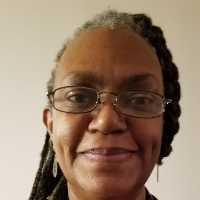
Maryland · 25 yrs exp
Licensed Clinical Professional Counselor - Intimacy and Relationships
Stress, Anxiety · Addictions · Relationship · Grief · +12 more
Read profile
Maryland · 20 yrs exp
LCSW-C focused on relationships and trauma
Stress, Anxiety · Relationship · Trauma and abuse · Self esteem · +14 more
Read profile
Maryland · 15 yrs exp
LCPC in Maryland - Relationships and Eating Concerns
Stress, Anxiety · Relationship · Family · Eating · +10 more
Read profile
Maryland · 10 yrs exp
LCPC in Maryland - Relationship and Intimacy concerns
Stress, Anxiety · Relationship · Self esteem · Coping with life changes · +3 more
Read profile
Maryland · 10 yrs exp
Licensed Clinical Professional Counselor - Relationships and Life Stress
Stress, Anxiety · Relationship · Family · Parenting · +10 more
Read profile
Maryland · 15 yrs exp
LCPC counselor - intimacy and life change support
Grief · Anger · Self esteem · Career · +8 more
Read profile
Maryland · 7 yrs exp
Licensed counselor - Intimacy and relationships
Stress, Anxiety · Self esteem · Career · Coping with life changes · +8 more
Read profile
Maryland · 20 yrs exp
LCSW-C in Maryland - Intimacy and relationship concerns
Stress, Anxiety · Addictions · Relationship · Family · +14 more
Read profile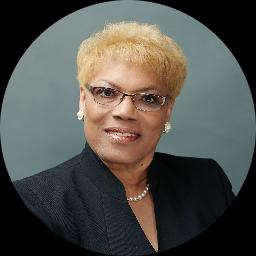
Maryland · 25 yrs exp
Dr. Deborah Mosley-Heath - Counselor for relationships and anxiety
Stress, Anxiety · Relationship · Family · Trauma and abuse · +11 more
Read profile
Maryland · 8 yrs exp
Licensed counselor - intimacy and relationships
Stress, Anxiety · Addictions · LGBT · Family · +14 more
Read profile
Maryland · 4 yrs exp
Licensed Clinical Social Worker - Intimacy and Trauma
Stress, Anxiety · Trauma and abuse · Addictions · LGBT · +12 more
Read profile
Maryland · 6 yrs exp
Licensed social worker - Intimacy and trauma
Stress, Anxiety · Trauma and abuse · Anger · Self esteem · +10 more
Read profile
Maryland · 10 yrs exp
LCSW-C - Relationship and life change support
Stress, Anxiety · Relationship · Depression · Coping with life changes · +9 more
Read profile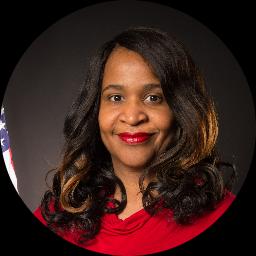
Maryland · 25 yrs exp
Licensed social worker - Relationships and intimacy
Relationship · Intimacy-related issues · Career · Coping with life changes · +7 more
Read profile
Maryland · 16 yrs exp
Licensed Clinical Professional Counselor - Intimacy and Relationships
Stress, Anxiety · Anger · Self esteem · Depression · +12 more
Read profile
Maryland · 27 yrs exp
Licensed Clinical Social Worker - Relationships and Stress
Stress, Anxiety · Relationship · Family · Anger · +5 more
Read profile
Maryland · 20 yrs exp
Licensed Clinical Social Worker - Relationships and Intimacy
Stress, Anxiety · Trauma and abuse · Self esteem · Depression · +13 more
Read profile
Maryland · 13 yrs exp
LCSW-C focusing on relationships and intimacy
Stress, Anxiety · Relationship · Family · Trauma and abuse · +14 more
Read profile
Maryland · 20 yrs exp
LICSW LCSW-C - Relationships and Intimacy
Stress, Anxiety · Relationship · Family · Anger · +12 more
Read profile
Maryland · 10 yrs exp
Licensed Counselor - Intimacy and Relationships
Stress, Anxiety · Trauma and abuse · Self esteem · Depression · +11 more
Read profile
Maryland · 20 yrs exp
Psychologist - Relationships and Intimacy
Stress, Anxiety · Relationship · Self esteem · Career · +11 more
Read profile
Maryland · 16 yrs exp
Licensed Clinical Professional Counselor - Intimacy and Relationship concerns
Stress, Anxiety · Trauma and abuse · Grief · Anger · +10 more
Read profile
Maryland · 7 yrs exp
LCPC counselor - relationships and intimacy
Stress, Anxiety · Family · Self esteem · Depression · +9 more
Read profile
Maryland · 5 yrs exp
LCSW-C in Maryland - relationship and intimacy concerns
Stress, Anxiety · Relationship · Trauma and abuse · Intimacy-related issues · +9 more
Read profile
Maryland · 23 yrs exp
LCPC counselor - relationships and intimacy
Relationship · Trauma and abuse · Grief · Career · +7 more
Read profile
Maryland · 11 yrs exp
LCPC counselor - relationships and intimacy
Stress, Anxiety · Relationship · Trauma and abuse · Self esteem · +9 more
Read profile
Maryland · 3 yrs exp
Licensed counselor - Intimacy and trauma
Stress, Anxiety · Family · Trauma and abuse · Anger · +13 more
Read profile
Maryland · 10 yrs exp
LCSW-C in Maryland - relationship and intimacy concerns
Stress, Anxiety · LGBT · Relationship · Trauma and abuse · +10 more
Read profile
Maryland · 11 yrs exp
Licensed clinical social worker - relationships and intimacy
Stress, Anxiety · Relationship · Family · Self esteem · +7 more
Read profile
Maryland · 20 yrs exp
Licensed clinical social worker - Intimacy and relationships
Stress, Anxiety · Anger · Self esteem · Depression · +16 more
Read profile
Maryland · 3 yrs exp
Licensed counselor - relationships and intimacy
Stress, Anxiety · Family · Trauma and abuse · Grief · +8 more
Read profile
Maryland · 10 yrs exp
Licensed social worker - intimacy and relationships
Stress, Anxiety · Trauma and abuse · Grief · Bipolar · +16 more
Read profile
Maryland · 22 yrs exp
LCSW-C - Relationships and intimacy
Relationship · Self esteem · Stress, Anxiety · Family · +9 more
Read profile
Maryland · 19 yrs exp
LICSW counselor - intimacy and relationships
Stress, Anxiety · Trauma and abuse · Grief · Self esteem · +12 more
Read profile
Maryland · 17 yrs exp
Psychologist - Intimacy and Relationship Concerns
Stress, Anxiety · Grief · Depression · Coping with life changes · +11 more
Read profile
Maryland · 13 yrs exp
Licensed Clinical Professional Counselor - Relationships and Intimacy
Stress, Anxiety · Relationship · Self esteem · Depression · +12 more
Read profile
Maryland · 4 yrs exp
LCSW-C focusing on relationships and mood
Stress, Anxiety · Relationship · Trauma and abuse · Self esteem · +4 more
Read profile
Maryland · 7 yrs exp
Licensed counselor - intimacy and relationships
Self esteem · Depression · Stress, Anxiety · Addictions · +11 more
Read profile
Maryland · 5 yrs exp
LCPC in Maryland - Intimacy and mood concerns
Stress, Anxiety · Addictions · LGBT · Relationship · +15 more
Read profile
Maryland · 12 yrs exp
Licensed counselor - Relationships and grief
Relationship · Family · Grief · Parenting · +13 more
Read profile
Maryland · 15 yrs exp
LCPC counselor - relationships and career
Career · Coping with life changes · Coaching · Stress, Anxiety · +16 more
Read profileWhen you notice emotional distance, repeated conflicts about affection, or difficulty allowing vulnerability, it is natural to look for a therapist who understands intimacy and relational closeness. You may be feeling frustrated by a lack of trust, by mismatched desire for connection, or by difficulty sharing needs without feeling judged. These are relational themes that many therapists list among their specialties. In considering a therapist, it helps to clarify what you mean by intimacy - whether you are seeking more emotional accessibility, clearer communication about needs, help rebuilding trust after betrayal, or support navigating changes in desire and affection.
Be mindful that a listing of intimacy as a specialty does not automatically mean the therapist focuses on all of these areas. A profile is a starting point for conversation. You should plan to describe the specifics of what you are experiencing, and ask whether the therapist commonly works with those issues. If you have physical symptoms related to sexual function or pain, it is important to speak with a medical professional such as your primary care doctor or an appropriate specialist to rule out or treat medical causes before relying solely on talk-based care.
Profiles are grouped by the listed location Maryland, which signals the geographic grouping used on this site. A listed location does not guarantee an in-person office or that the therapist holds permission to practice in every municipality. Always check the individual profile and confirm directly whether a therapist is able to work with you where you live. This is particularly important if you are seeking care across state lines or from a clinician based elsewhere.
Academic degrees and professional permissions are different pieces of information that you should interpret carefully. Degrees such as PhD, PsyD, MD, MA and MSW indicate educational qualifications. A degree alone does not prove current permission to practice. In the United States, look for statements about state-issued clinical licenses and the scope those licenses cover. In the United Kingdom and Australia, you will often see references to registration or membership with professional bodies rather than a state license. Profiles may use different terminology, so ask the clinician how their degree and any license or registration relate to their permission to provide care in your location.
When you contact a therapist after browsing profiles, use concrete questions that help you compare fit. Ask how they describe their work with intimacy and closeness, and whether they regularly see people with your specific concern - for example emotional withdrawal, rebuilding trust after infidelity, or difficulty with vulnerability. You can ask which approaches they use and frame that as a discussion point - for instance, inquire whether they work with therapists who list EMDR among their approaches, or whether they integrate relational and somatic ideas. Remember that a profile note about an approach is not proof of specialized certification, only a statement that the therapist lists that approach among those they use.
Clarify what the therapist means by couples work if that is relevant to you. A listing of intimacy does not establish sex-therapy certification or that couples sessions are required. If you are seeking therapy alone but concerned about relationship patterns, ask whether the therapist commonly works with individuals on relational themes, and whether partner sessions might ever be part of the process. If you want a clinician who speaks a specific language or has experience with certain communities, ask them directly about their experience and how they describe their cultural competence in practice.
If you plan to work remotely, discuss practical and ethical details ahead of time so you know what to expect. Ask the therapist whether they are permitted to offer care to people who reside in Maryland at the time you will meet, and how they handle time zones and scheduling. It is reasonable to ask about the technology they use, what happens if a session is interrupted, and what steps they recommend if you have an urgent concern between sessions. Also ask about boundaries around communication outside sessions, such as how they prefer to receive messages and what response time you can expect.
Make sure to confirm how clinical notes are handled and whether the clinician has a plan for emergencies in your area. If you are considering online work with someone who is based in the UK or Australia, ask how they determine their ability to work with clients in the United States and what professional protections they have in place. Always verify the clinician's permission to work with you where you live before committing to a series of meetings.
When comparing profiles, read beyond headlines to understand the therapist's stated focus areas and how they describe their therapeutic style. Some profiles emphasize emotion-focused exploration of relationships, while others highlight skill-based communication work or attention to bodily experience in intimacy. Notice whether a profile mentions specific populations or life stages, such as people recovering from relationship betrayal, those navigating changes after a medical event, or individuals exploring desire differences. These descriptions help you match your needs with a therapist's stated interests.
Language access can be crucial in conversations about intimacy. If speaking in a non-English language matters to you, look for profiles that list the language and ask whether sessions would be conducted in that language. Compare credentials with care - an academic degree is valuable, but you should also ask about the clinician's current permission to practice in your jurisdiction and how they maintain professional standards. Consider style as well: do they describe a directive role that offers exercises and tasks, or a reflective stance that prioritizes exploration of feelings and history? These stylistic differences will shape your experience, so use specific questions such as how they typically begin work with someone facing issues like yours and what you might expect in the first few sessions.
Above all, use the profiles as a way to prepare for a conversation. A listed topic is only a starting point. You should speak directly with a clinician about scope of practice, whether they work with individuals or partners on intimacy issues, and any other limits to practice. If you are uncertain about whether a profile fits your needs, ask the therapist for clarification and that they describe their recent experience with concerns like yours. That direct exchange will give you the clearest sense of fit as you decide whether to reach out further through the profile contact options.
Searching for a therapist in Maryland who lists intimacy and closeness among their specialties is a process of comparison and clarification. Use the profile information to form specific questions, confirm practice permissions for your location, and describe your primary concerns before you begin. If physical symptoms accompany relational or sexual concerns, consult a medical professional so that any medical factors are addressed alongside psychological support. Taking these steps will help you arrive at a well-informed first conversation about your needs and what kind of therapeutic collaboration might help you explore connection, trust and vulnerability in your relationships.
Chronic Illness
862 therapists
Control Issues
2509 therapists
Depression
5256 therapists
Domestic Violence
1664 therapists
Guilt and Shame
3566 therapists
Intimacy Issues
5708 therapists
Isolation / Loneliness
3185 therapists
Midlife Crisis
2067 therapists
Post-Traumatic Stress
2880 therapists
Postpartum Depression
1331 therapists
Self Esteem
5305 therapists
Social Anxiety and Phobia
3068 therapists
Stress & Anxiety
5481 therapists
Trauma and Abuse
4940 therapists
Abandonment
2380 therapists
Attachment Issues
2681 therapists
Blended Family Issues
1852 therapists
Body Image
1859 therapists
Codependency
2323 therapists
Commitment Issues
2011 therapists
Communication Problems
3781 therapists
Coping with Life Changes
5091 therapists
Divorce
2838 therapists
Family of Origin Issues
1731 therapists
Fertility Issues
611 therapists
Forgiveness
3155 therapists
Infidelity
2056 therapists
Jealousy
1853 therapists
Non-Monogamous Relationships
938 therapists
Physical Intimacy Concerns
563 therapists
Pregnancy
1090 therapists
Relationship
5462 therapists
Self-Love
3600 therapists