
Dr. Steven Hurley
IL Psychologist 071007009Illinois · 19 yrs exp
Illinois psychologist - intimacy and relationships
Stress, Anxiety · LGBT · Relationship · Trauma and abuse · +9 more
Read profileTherapist listings are provided by BetterHelp. We will earn a commission at no additional cost to you if you use our links to purchase.
This page gathers profiles of professionals who list Control Issues alongside intimacy and closeness in relationships. Use the profile details to compare approaches, credentials, languages, and listed location, then browse profiles to learn more about clinicians who may match what you need.
Illinois · 19 yrs exp
Illinois psychologist - intimacy and relationships
Stress, Anxiety · LGBT · Relationship · Trauma and abuse · +9 more
Read profile
California · 14 yrs exp
Licensed counselor - relationships and intimacy
Stress, Anxiety · Relationship · Family · Intimacy-related issues · +9 more
Read profile
Texas · 13 yrs exp
LCSW - Relationships and Intimacy
Stress, Anxiety · Relationship · Trauma and abuse · Anger · +11 more
Read profile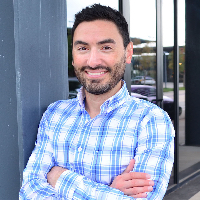
Kansas · 15 yrs exp
Licensed counselor - intimacy and relationships
Stress, Anxiety · Relationship · Family · Trauma and abuse · +14 more
Read profile
Texas · 25 yrs exp
Licensed Professional Counselor - Relationships and Intimacy
Stress, Anxiety · Relationship · Parenting · Anger · +8 more
Read profile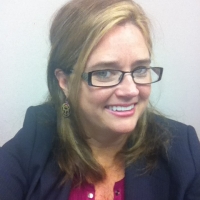
South Carolina · 25 yrs exp
Licensed Professional Counselor - Relationships and Intimacy
Relationship · Family · Intimacy-related issues · Parenting · +7 more
Read profile
Kentucky · 18 yrs exp
Licensed Marriage and Family Therapist - Relationships and Intimacy
LGBT · Relationship · Family · Self esteem · +14 more
Read profile
New York · 9 yrs exp
LMHC - Intimacy and Relationship Concerns
Addictions · LGBT · Intimacy-related issues · Depression · +9 more
Read profile
Florida · 25 yrs exp
Licensed Mental Health Counselor - Relationships and Trauma
Relationship · Trauma and abuse · Grief · Anger · +12 more
Read profile
Florida · 7 yrs exp
Licensed counselor - relationships and addiction
Addictions · Relationship · Family · Trauma and abuse · +13 more
Read profile
Michigan · 5 yrs exp
Licensed Professional Counselor - Relationships and Intimacy
Stress, Anxiety · Relationship · Family · Self esteem · +12 more
Read profile
Pennsylvania · 12 yrs exp
Licensed counselor - relationships and anxiety
Stress, Anxiety · Relationship · Self esteem · Depression · +11 more
Read profile
Arizona · 6 yrs exp
Licensed Professional Counselor - Relationships and Stress
Stress, Anxiety · Relationship · Family · Self esteem · +11 more
Read profile
Hawaii · 7 yrs exp
LMFT - Relationships and Intimacy support
Stress, Anxiety · Addictions · Relationship · Family · +11 more
Read profile
North Carolina · 10 yrs exp
Licensed clinical social worker - relationships and anxiety
Stress, Anxiety · Relationship · Family · Bipolar · +16 more
Read profile
Florida · 17 yrs exp
Licensed mental health counselor - Relationships and intimacy
Stress, Anxiety · Addictions · Relationship · Family · +14 more
Read profile
Louisiana · 10 yrs exp
Licensed Professional Counselor - Relationships and Intimacy
Stress, Anxiety · Relationship · Family · Depression · +12 more
Read profile
Michigan · 45 yrs exp
Licensed counselor - Intimacy and addictions
Stress, Anxiety · Addictions · Trauma and abuse · Grief · +10 more
Read profile
Minnesota · 23 yrs exp
Licensed marriage and family therapist - Relationships and Intimacy
Stress, Anxiety · Relationship · Trauma and abuse · Self esteem · +13 more
Read profile
Colorado · 11 yrs exp
Licensed Professional Counselor - intimacy and relationships
Stress, Anxiety · LGBT · Trauma and abuse · Anger · +15 more
Read profile
North Carolina · 20 yrs exp
Licensed counselor - Relationships and intimacy
Stress, Anxiety · Relationship · Family · Self esteem · +9 more
Read profile
Texas · 22 yrs exp
Dr. Ngozi Okose - LPC, relationships and intimacy
Stress, Anxiety · Relationship · Trauma and abuse · Depression · +16 more
Read profile
Mississippi · 12 yrs exp
Licensed Clinical Social Worker - Intimacy and Relationships
Stress, Anxiety · Addictions · Anger · Self esteem · +12 more
Read profile
Florida · 10 yrs exp
Licensed Mental Health Counselor - Relationships and Intimacy
Stress, Anxiety · Family · Parenting · Self esteem · +10 more
Read profile
Virginia · 14 yrs exp
Licensed Professional Counselor - Trauma and Relationships
Trauma and abuse · Grief · Coping with life changes · Compassion fatigue · +12 more
Read profile
Texas · 18 yrs exp
Licensed Professional Counselor - Intimacy and Relationships
Stress, Anxiety · Relationship · Family · Parenting · +9 more
Read profile
Texas · 33 yrs exp
Licensed Clinical Social Worker - Relationships and Intimacy
Stress, Anxiety · Relationship · Family · Self esteem · +11 more
Read profile
Ohio · 20 yrs exp
LISW in Ohio - Relationship and intimacy concerns
Stress, Anxiety · LGBT · Family · Grief · +16 more
Read profile
Arkansas · 23 yrs exp
Licensed Professional Counselor - Intimacy and Relationships
Stress, Anxiety · Trauma and abuse · Anger · Self esteem · +11 more
Read profile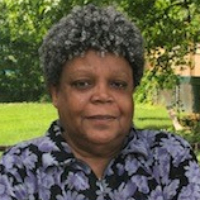
Virginia · 47 yrs exp
Licensed Clinical Social Worker - Relationships and Intimacy
Stress, Anxiety · Relationship · Grief · Self esteem · +10 more
Read profile
Florida · 29 yrs exp
Dr. Martha Groble - LPCC, LMHC, Florida
Stress, Anxiety · Trauma and abuse · Grief · Career · +7 more
Read profile
Virginia · 13 yrs exp
Licensed Professional Counselor - Intimacy and Relationship Concerns
Stress, Anxiety · Anger · Self esteem · Depression · +9 more
Read profile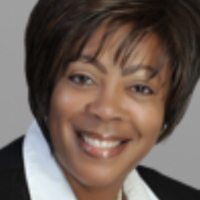
Louisiana · 10 yrs exp
Licensed Professional Counselor - Relationships and Stress
Stress, Anxiety · Trauma and abuse · Anger · Self esteem · +12 more
Read profile
Oklahoma · 8 yrs exp
Licensed Professional Counselor - Relationships and Intimacy
Stress, Anxiety · Addictions · Self esteem · Depression · +11 more
Read profile
Georgia · 7 yrs exp
Licensed Marriage and Family Therapist - Relationships and Intimacy
Stress, Anxiety · Relationship · Intimacy-related issues · Anger · +11 more
Read profile
Oregon · 17 yrs exp
LMFT focusing on intimacy and trauma
Stress, Anxiety · Trauma and abuse · Grief · Intimacy-related issues · +1 more
Read profile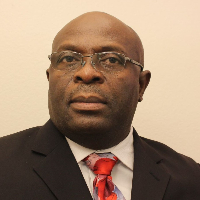
Texas · 10 yrs exp
Addictions · Relationship · Trauma and abuse · Anger · +14 more
Read profile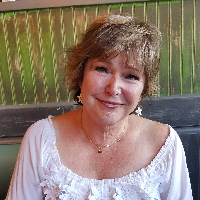
Oklahoma · 20 yrs exp
Licensed Professional Counselor - Intimacy and Trauma
Stress, Anxiety · Addictions · Trauma and abuse · Anger · +8 more
Read profile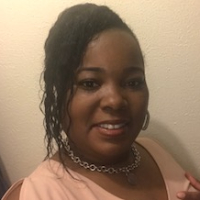
Louisiana · 10 yrs exp
Licensed Professional Counselor - Relationships and Intimacy
Stress, Anxiety · Trauma and abuse · Anger · Self esteem · +8 more
Read profile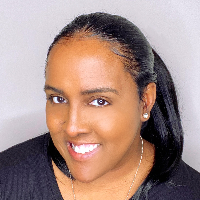
North Carolina · 20 yrs exp
Licensed Clinical Social Worker - Intimacy and Addictions
Stress, Anxiety · Addictions · Family · Career · +16 more
Read profile
Louisiana · 12 yrs exp
Licensed Professional Counselor - Relationships and Intimacy
Relationship · Parenting · Anger · Self esteem · +14 more
Read profile
Colorado · 13 yrs exp
LMFT - Relationships and Intimacy
Stress, Anxiety · LGBT · Relationship · Trauma and abuse · +10 more
Read profile
North Carolina · 20 yrs exp
Licensed counselor - Intimacy and mood concerns
Stress, Anxiety · Parenting · Self esteem · Depression · +15 more
Read profile
Texas · 5 yrs exp
LCSW counselor - intimacy and mood concerns
Self esteem · Career · Bipolar · Depression · +8 more
Read profile
Missouri · 13 yrs exp
Licensed Clinical Social Worker - Relationships and Addictions
Stress, Anxiety · Addictions · Relationship · Family · +6 more
Read profile
Illinois · 23 yrs exp
Licensed Clinical Social Worker - Relationships and Intimacy
Stress, Anxiety · Trauma and abuse · Anger · Depression · +10 more
Read profile
Pennsylvania · 15 yrs exp
Licensed Professional Counselor - Relationship and Intimacy concerns
Stress, Anxiety · Relationship · Self esteem · Depression · +14 more
Read profile
Wisconsin · 18 yrs exp
Licensed clinical social worker - intimacy and relationships
Stress, Anxiety · Parenting · Self esteem · Depression · +11 more
Read profile
Texas · 19 yrs exp
LPC focusing on relationships and intimacy
Stress, Anxiety · Relationship · Family · Trauma and abuse · +12 more
Read profile
Texas · 11 yrs exp
LPC therapist - relationships and anxiety
Stress, Anxiety · Relationship · Family · Self esteem · +13 more
Read profile
Indiana · 11 yrs exp
LMHC - Intimacy and Relationship Concerns
Stress, Anxiety · Addictions · Trauma and abuse · Parenting · +14 more
Read profile
Alabama · 12 yrs exp
Licensed Professional Counselor - Relationships and Intimacy
Stress, Anxiety · Family · Anger · Self esteem · +13 more
Read profile
Illinois · 34 yrs exp
Illinois LCPC - Relationships and Intimacy
Stress, Anxiety · Relationship · Grief · Self esteem · +11 more
Read profile
Texas · 8 yrs exp
Licensed Professional Counselor - Relationships and Intimacy
Stress, Anxiety · Addictions · Trauma and abuse · Self esteem · +11 more
Read profile
Texas · 17 yrs exp
Dr. Dora Whiteside - LPC Texas, mood and intimacy concerns
Stress, Anxiety · Addictions · Self esteem · Bipolar · +15 more
Read profile
Illinois · 9 yrs exp
Illinois LCPC - Intimacy and relationships
Stress, Anxiety · LGBT · Grief · Self esteem · +9 more
Read profile
Illinois · 3 yrs exp
LCSW focused on relationships and mental health
Stress, Anxiety · Addictions · LGBT · Relationship · +10 more
Read profile
Kentucky · 15 yrs exp
Licensed Clinical Social Worker - relationships and mood
Stress, Anxiety · Relationship · Parenting · Anger · +13 more
Read profile
Florida · 20 yrs exp
LCSW focusing on relationships and mental health
Stress, Anxiety · Relationship · Family · Trauma and abuse · +16 more
Read profile
California · 26 yrs exp
CA Psychologist - Relationships and Intimacy
Stress, Anxiety · Trauma and abuse · Grief · Self esteem · +13 more
Read profileIf you are searching for help with Control Issues, you are likely facing patterns that affect how you relate to others, express needs, or respond to closeness. Control can show up as an attempt to manage anxiety, avoid vulnerability, reduce uncertainty, or protect against past hurts. It can make emotional closeness feel risky, contribute to cycles of tension with partners, and create internal conflict about trust, affection, and independence. You may notice persistent thoughts about steering outcomes, difficulty letting others be themselves, or alternating between withdrawing and attempting to dominate interactions. These experiences are often described in terms of relationship dynamics, attachment and boundaries rather than a single cause, and many people find that talking with a clinician can clarify what keeps patterns going and what changes might feel realistic to try.
When you look at profiles on this page, you will find clinicians who list Control Issues among their focuses and who also note intimacy and closeness as areas of interest. That overlap reflects how concerns about control often appear alongside questions of vulnerability and trust in relationships. A specialty listing does not indicate a single explanation for your experience, and it does not substitute for a clinical conversation about your unique situation. Use the information in profiles to identify clinicians whose language about focus areas matches your concerns, then follow up to discuss specifics.
Control Issues and intimacy-related concerns frequently intersect, but one does not automatically cause the other. Some people cope with fear of losing connection by trying to manage relationship outcomes, while others respond to perceived threats by shutting down emotionally. Either way, patterns that involve controlling behavior or hypervigilance about relationship dynamics can reduce the sense of ease and mutual vulnerability that supports closeness. On the other hand, work on boundaries and self-awareness can help people create clearer, more respectful ways of connecting without erasing needs for safety or autonomy.
Profiles on this page link those themes because many clinicians who focus on intimacy also encounter control dynamics in their work. When you read a profile, note how a clinician describes control-related concerns - for example, whether they frame them in terms of relationship patterns, stress responses, attachment, or conflict management. Also note whether they mention work with individuals, partners, or families. A profile that lists intimacy alongside Control Issues signals that the clinician recognizes the relational context, but it does not mean that any particular therapist uses the same approaches, offers partner sessions, or practices in a specific format. Use the profile descriptions to find candidates who name issues in ways that match what you want to address.
When you contact a clinician, prepare focused questions that will help you compare approaches and experience. Ask how the clinician typically conceptualizes control in relationships and what kinds of conversations they start with new clients. You can ask whether they work mainly with individual clients or also with partners, and whether they have experience with issues you consider relevant - for example, trauma histories, caregiving stress, cultural dynamics, or life-stage transitions. If specific therapeutic approaches appeal to you, ask whether the clinician lists those approaches among their work and how they adapt them to control-related concerns. Use language such as "therapists who list [approach] among their approaches" when referring to modalities, because a listing is not proof of certification or training.
Clarify professional credentials in a way that respects differences between countries. Ask whether the clinician holds a license to practice in a given U.S. state, or whether they are registered or a member of a professional body in the U.K. or Australia. Inquire about academic credentials such as PhD, PsyD, MD, MA, or MSW, and remember that a degree alone does not establish current permission to practice. You may also want to ask about experience working with people from cultural, racial, or sexual identity backgrounds similar to yours, and about the languages spoken in sessions. Concrete questions yield clearer answers than general prompts, so frame queries around the issues and contexts that matter most to you.
If you are considering online or remote sessions, it is helpful to discuss practical and safety-related topics ahead of time. Ask how the clinician manages communication and appointment logistics, what kinds of technological platforms they use, and what steps they take to protect the content of your exchanges. Because laws and professional permissions vary by place, ask whether they are permitted to practice with you based on their listed location and the jurisdiction where you will be connecting from. If you have physical symptoms or concerns that may require medical attention, mention them and ask whether the clinician recommends contacting a doctor for evaluation. It is also reasonable to ask how they handle crisis situations or referrals if urgent issues arise between sessions.
Before beginning, discuss the scope of work you are considering. If you want support for intimacy and closeness, specify whether you expect individual work, sessions that include a partner, or occasional joint meetings. Do not assume a particular format based on a profile listing - instead, ask how the clinician typically structures care for similar concerns and how they involve partners or family members when that is relevant. Clarifying these expectations early helps you decide which profile feels like the best match and leads to more productive initial conversations.
When you review profiles, pay attention to the combination of focus areas and how they are described. Notice whether Control Issues appears as a primary focus or as an additional area, and whether intimacy, attachment, trauma, or communication are listed alongside it. Comparing the language clinicians use will help you see differences - some profiles emphasize understanding past patterns, others highlight practical skills for interaction, and others stress emotion regulation or boundary work. If you have preferences about style, look for wording that conveys a direct, exploratory, or relational stance and consider reaching out to ask for an example of how they frame an early session.
Compare credentials thoughtfully. Profiles often list academic degrees, such as PhD, PsyD, MD, MA, or MSW, and may also mention professional registration or membership in national bodies in the U.K. and Australia, or licensure in U.S. states. Ask clinicians to clarify their current permission to practice where you live and whether a degree complements an active professional credential. Language capabilities are another practical filter - if you prefer working in a language other than the one used in your listed location, search profiles for languages spoken and ask about conversational fluency. Finally, consider experience with populations or contexts that matter to you - cultural competence, age groups, and life circumstances can shape how a clinician approaches control and intimacy concerns. Use the profiles to narrow options, then reach out with the specific comparison questions that matter most to you so you can decide which conversations to pursue.
Alabama
66 therapists
Alaska
10 therapists
Arizona
62 therapists
Arkansas
26 therapists
Australia
68 therapists
California
338 therapists
Colorado
108 therapists
Connecticut
39 therapists
Delaware
15 therapists
District of Columbia
15 therapists
Florida
500 therapists
Georgia
171 therapists
Hawaii
23 therapists
Idaho
20 therapists
Illinois
160 therapists
Indiana
81 therapists
Iowa
23 therapists
Kansas
37 therapists
Kentucky
55 therapists
Louisiana
115 therapists
Maine
15 therapists
Maryland
72 therapists
Massachusetts
51 therapists
Michigan
156 therapists
Minnesota
62 therapists
Mississippi
43 therapists
Missouri
149 therapists
Montana
24 therapists
Nebraska
27 therapists
Nevada
28 therapists
New Hampshire
18 therapists
New Jersey
120 therapists
New Mexico
28 therapists
New York
240 therapists
North Carolina
195 therapists
North Dakota
5 therapists
Ohio
112 therapists
Oklahoma
86 therapists
Oregon
33 therapists
Pennsylvania
158 therapists
Rhode Island
10 therapists
South Carolina
98 therapists
South Dakota
11 therapists
Tennessee
76 therapists
Texas
512 therapists
United Kingdom
1151 therapists
Utah
42 therapists
Vermont
9 therapists
Virginia
87 therapists
Washington
64 therapists
West Virginia
15 therapists
Wisconsin
68 therapists
Wyoming
13 therapists