
Stacey Sugar
LCPC, LPCCCalifornia · 14 yrs exp
Licensed counselor - relationships and intimacy
Stress, Anxiety · Relationship · Family · Intimacy-related issues · +9 more
Read profileTherapist listings are provided by BetterHelp. We will earn a commission at no additional cost to you if you use our links to purchase.
On this California page you can compare therapists who list intimacy and closeness in relationships, viewing profiles to check specialties, approaches, languages and credentials. Browse the profiles below and review each listed location and practitioner details, then confirm with the therapist whether they have permission to work with you where you live.
California · 14 yrs exp
Licensed counselor - relationships and intimacy
Stress, Anxiety · Relationship · Family · Intimacy-related issues · +9 more
Read profile
California · 12 yrs exp
LMFT - Relationships and Intimacy
Stress, Anxiety · Family · Parenting · Self esteem · +8 more
Read profile
California · 6 yrs exp
Licensed MFT - Relationships and Intimacy
Stress, Anxiety · Addictions · Relationship · Depression · +10 more
Read profile
California · 26 yrs exp
CA Psychologist - Relationships and Intimacy
Stress, Anxiety · Trauma and abuse · Grief · Self esteem · +13 more
Read profile
California · 10 yrs exp
LMFT - Intimacy and Relationship Concerns
Stress, Anxiety · Addictions · Trauma and abuse · Self esteem · +15 more
Read profile
California · 17 yrs exp
Licensed Marriage and Family Therapist - Relationships and Trauma
Relationship · Family · Trauma and abuse · Anger · +10 more
Read profile
California · 30 yrs exp
CA Psychologist - Relationships and Intimacy
Stress, Anxiety · Relationship · Trauma and abuse · Intimacy-related issues · +13 more
Read profile
California · 8 yrs exp
LCSW - Relationships and Intimacy
Stress, Anxiety · Relationship · Self esteem · Career · +9 more
Read profile
California · 37 yrs exp
LMFT - Relationships and Intimacy
Addictions · Relationship · Family · Intimacy-related issues · +8 more
Read profile
California · 20 yrs exp
California LMFT - Relationship and Trauma work
Stress, Anxiety · Trauma and abuse · Parenting · Anger · +13 more
Read profile
California · 30 yrs exp
LMFT - relationships and intimacy concerns
Stress, Anxiety · Addictions · Relationship · Trauma and abuse · +11 more
Read profile
California · 24 yrs exp
LCSW focused on relationships and intimacy
Addictions · Relationship · Family · Trauma and abuse · +14 more
Read profile
California · 30 yrs exp
LMFT in California - relationships and trauma
Stress, Anxiety · Relationship · Family · Trauma and abuse · +12 more
Read profile
California · 12 yrs exp
Licensed Marriage and Family Therapist - Relationships and Intimacy
Stress, Anxiety · Addictions · LGBT · Relationship · +16 more
Read profile
California · 20 yrs exp
LMFT - Relationship and emotional concerns
Stress, Anxiety · Relationship · Family · Parenting · +10 more
Read profile
California · 16 yrs exp
California LMFT - Intimacy and Relationship concerns
Stress, Anxiety · Family · Parenting · Self esteem · +10 more
Read profile
California · 35 yrs exp
Licensed Marriage and Family Therapist - Relationships and Intimacy
Stress, Anxiety · Relationship · Trauma and abuse · Grief · +1 more
Read profile
California · 30 yrs exp
California LMFT - Relationships and Intimacy
Relationship · Family · Trauma and abuse · Parenting · +2 more
Read profile
California · 30 yrs exp
Licensed Clinical Social Worker - Relationships and Intimacy
Relationship · Intimacy-related issues · Self esteem · Career · +6 more
Read profile
California · 6 yrs exp
California LMFT - Intimacy and trauma
Trauma and abuse · Intimacy-related issues · Bipolar · Depression · +9 more
Read profile
California · 11 yrs exp
LMFT - Relationships and Intimacy
Relationship · Family · Intimacy-related issues · Parenting · +1 more
Read profile
California · 12 yrs exp
Licensed Marriage and Family Therapist - Relationships and Intimacy
Stress, Anxiety · LGBT · Relationship · Intimacy-related issues · +1 more
Read profile
California · 6 yrs exp
Licensed Marriage and Family Therapist - Relationships and Intimacy
Relationship · Family · Trauma and abuse · Intimacy-related issues · +5 more
Read profile
California · 18 yrs exp
LCSW - relationships and intimacy
LGBT · Relationship · Trauma and abuse · Intimacy-related issues · +1 more
Read profile
California · 20 yrs exp
California LMFT - Relationships and Intimacy
Stress, Anxiety · Relationship · Trauma and abuse · Depression · +12 more
Read profile
California · 10 yrs exp
Licensed Marriage and Family Therapist - relationships and intimacy
Stress, Anxiety · Relationship · Self esteem · Depression · +10 more
Read profile
California · 11 yrs exp
Licensed Marriage and Family Therapist - Relationships and Intimacy
Stress, Anxiety · Relationship · Family · Parenting · +9 more
Read profile
California · 21 yrs exp
LMFT focusing on relationships and addictions
Addictions · Relationship · Trauma and abuse · Grief · +13 more
Read profile
California · 15 yrs exp
Licensed Marriage and Family Therapist - Relationships and Intimacy
Stress, Anxiety · Relationship · Family · Self esteem · +8 more
Read profile
California · 19 yrs exp
Licensed Marriage and Family Therapist - Relationships and Intimacy
Stress, Anxiety · Relationship · Family · Trauma and abuse · +11 more
Read profile
California · 16 yrs exp
LMFT - relationship and intimacy concerns
Stress, Anxiety · Relationship · Family · Grief · +8 more
Read profile
California · 9 yrs exp
LPCC counselor - intimacy and relationships
Stress, Anxiety · Relationship · Trauma and abuse · Self esteem · +14 more
Read profile
California · 8 yrs exp
California LMFT - relationships and intimacy
Stress, Anxiety · LGBT · Grief · Depression · +11 more
Read profile
California · 5 yrs exp
Licensed Marriage and Family Therapist - Relationships and Intimacy
Addictions · Relationship · Family · Depression · +10 more
Read profile
California · 7 yrs exp
Psychologist - Relationships and Intimacy
Stress, Anxiety · Family · Anger · Depression · +8 more
Read profile
California · 23 yrs exp
Licensed Clinical Social Worker - Intimacy and Relationship Concerns
Stress, Anxiety · Grief · Parenting · Depression · +14 more
Read profile
California · 15 yrs exp
Licensed Marriage and Family Therapist - intimacy and addictions
Addictions · Relationship · Trauma and abuse · Grief · +9 more
Read profile
California · 12 yrs exp
LCSW - relationships and mood concerns
Addictions · Grief · Parenting · Self esteem · +11 more
Read profile
California · 18 yrs exp
LMFT specializing in relationships and intimacy
Relationship · Family · Trauma and abuse · Grief · +13 more
Read profile
California · 12 yrs exp
Licensed Clinical Social Worker - Intimacy and Trauma
Stress, Anxiety · Family · Trauma and abuse · Depression · +12 more
Read profile
California · 18 yrs exp
LMFT - Relationships and Intimacy
Stress, Anxiety · Parenting · Self esteem · Depression · +8 more
Read profile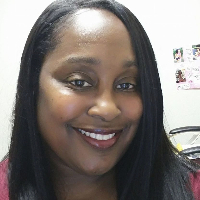
California · 18 yrs exp
Licensed MFT - Relationship and Intimacy
Stress, Anxiety · Relationship · Self esteem · Career · +10 more
Read profile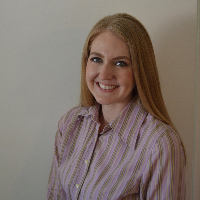
California · 14 yrs exp
Licensed Clinical Social Worker - Intimacy and Relationships
Stress, Anxiety · Relationship · Grief · Depression · +11 more
Read profile
California · 11 yrs exp
Licensed therapist - Relationships and addiction
Addictions · LGBT · Relationship · Depression · +9 more
Read profile
California · 7 yrs exp
Licensed Marriage and Family Therapist - Intimacy and Relationships
Stress, Anxiety · Trauma and abuse · Self esteem · Depression · +7 more
Read profile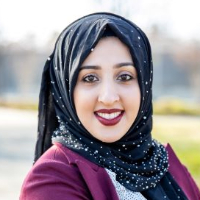
California · 6 yrs exp
Licensed Marriage and Family Therapist - Relationships and Intimacy
Stress, Anxiety · Trauma and abuse · Grief · Self esteem · +12 more
Read profile
California · 20 yrs exp
LMFT in California - relationships and mental health
Stress, Anxiety · Relationship · Family · Anger · +11 more
Read profile
California · 30 yrs exp
Licensed Clinical Social Worker - Relationships and Intimacy
Stress, Anxiety · Relationship · Grief · Self esteem · +13 more
Read profile
California · 8 yrs exp
California LMFT - Intimacy and trauma
LGBT · Trauma and abuse · Intimacy-related issues · Self esteem · +13 more
Read profile
California · 8 yrs exp
LMFT in California - Intimacy and Relationships
Stress, Anxiety · Addictions · Family · Self esteem · +12 more
Read profile
California · 16 yrs exp
LMFT - Relationships and Intimacy
Stress, Anxiety · LGBT · Relationship · Intimacy-related issues · +7 more
Read profile
California · 12 yrs exp
Licensed Marriage and Family Therapist - Intimacy and Stress
Stress, Anxiety · Family · Trauma and abuse · Anger · +10 more
Read profile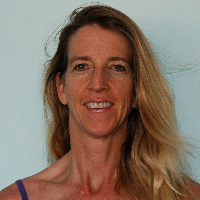
California · 25 yrs exp
Licensed MFT - Relationships and Intimacy
Stress, Anxiety · Relationship · Grief · Parenting · +16 more
Read profile
California · 12 yrs exp
Licensed Clinical Social Worker - Relationships and Trauma
Relationship · Trauma and abuse · Intimacy-related issues · Parenting · +9 more
Read profile
California · 6 yrs exp
Dr. Michelle Beaupre, LCSW - Intimacy and mood concerns
Stress, Anxiety · Addictions · Family · Parenting · +11 more
Read profile
California · 15 yrs exp
LMHC LPC - Relationships and Intimacy
Stress, Anxiety · Relationship · Trauma and abuse · Depression · +10 more
Read profile
California · 15 yrs exp
Licensed Marriage and Family Therapist - Intimacy and Mood
Stress, Anxiety · Trauma and abuse · Eating · Bipolar · +13 more
Read profile
California · 30 yrs exp
CA Psychologist - Relationships and Intimacy Issues
Stress, Anxiety · Addictions · Relationship · Grief · +16 more
Read profile
California · 9 yrs exp
LMFT - Relationships and Intimacy
Stress, Anxiety · Addictions · Relationship · Trauma and abuse · +9 more
Read profile
California · 20 yrs exp
LMFT - Relationships and Intimacy
Stress, Anxiety · Relationship · Intimacy-related issues · Career · +14 more
Read profileWhen emotional distance, difficulties with trust, or a loss of closeness become concerns, you naturally want a practitioner who understands those issues and who communicates in a way that fits you. Start by reflecting on what you need from care. Are you looking for help rebuilding emotional connection after a breach of trust, support for navigating changes in desire or affection, or guidance on how to express vulnerability more comfortably? Clarifying your priorities will make it easier to compare profiles for focus areas, stated experience, and the language a clinician uses to describe their work.
As you read profiles, notice how therapists describe intimacy-related concerns. Some may emphasize emotional safety and attachment patterns, while others highlight communication skills or explorations of desire and boundaries. The fact that a therapist lists a topic like intimacy or closeness on their profile is not evidence of a particular certification or outcome. Use profile descriptions to form questions for a first conversation that probes fit - for example, whether the therapist has worked with situations like yours, how they define progress, and how they measure whether a client feels more connected over time.
Profiles on this directory include practitioners whose professional standing can vary by country. In the United States many clinicians hold licenses that are issued by state boards. In the United Kingdom and Australia professionals may be registered with or belong to professional bodies or associations; registration terms differ across countries. Academic degrees such as PhD, PsyD, MD, MA or MSW indicate completed education but do not by themselves prove ongoing permission to practice in a particular place. A degree is distinct from licensure, registration or membership, and you should verify whichever of those terms appears on a profile.
Because location listings are used to group profiles, a listed location does not guarantee an office address, proximity, or legal permission to work with residents in every circumstance. Confirm with the therapist directly whether they are able to provide services in your area, and ask what types of engagement they are set up to offer. If you encounter issues that are physical in nature - for example pain, erection difficulties, or other bodily symptoms - consider consulting a medical doctor in addition to speaking with a mental health professional, so you address both physical and relational aspects safely.
Before you begin a working relationship, it helps to have specific questions ready. Ask how the clinician describes their approach to intimacy and closeness, and keep in mind that some therapists list particular approaches among others. You can ask whether they typically work on emotional distance, trust rebuilding, communication skills, or managing differences in desire, and inquire about how they involve partners when that seems relevant. You should also ask about the populations they serve and whether they have experience with issues that matter to you - for instance cultural background, sexual orientation, gender identity, or life stage.
Ask how they handle boundaries and information-sharing boundaries in sessions, what you might expect in early sessions, and how they determine whether an approach is helping. Ask for examples of the kinds of conversations or exercises they might use to foster connection, while remembering that a mention of a technique on a profile is not a guarantee of specialized certification. If you have children, differing goals, or legal concerns, be explicit about those circumstances and ask whether they are within the clinician's scope. The aim of these questions is to get a clear sense of how the therapist talks about intimacy, what outcomes they prioritize, and whether their approach aligns with your expectations.
If you are considering online or remote sessions, bring up practical and ethical considerations during your initial contact. Confirm whether the clinician permits remote work with people located in California if you are in the state, and ask where they are licensed, registered, or authorized to practice. Clarify how they handle privacy during a session, what technology platform they use, and what contingency plans exist if a connection fails or an urgent issue arises. Discuss whether they prefer certain formats for different kinds of concerns - for example whether brief check-ins are used alongside longer sessions - and how they coordinate with other providers when medical or legal input is needed.
Talk about how to create a comfortable environment for yourself during remote care, including where you will sit and how you will minimize interruptions. If physical symptoms or health conditions are part of the concern, bring up how the clinician collaborates with physicians or other health professionals. Be sure to ask how they document consent for remote work and what information they will provide about fees and scheduling procedures in writing. These practical conversations will help you decide whether a clinician's way of working matches your needs and circumstances.
When you compare profiles, pay attention to the way practitioners describe their focus areas and the language they use. Some therapists highlight attachment patterns and family history, others emphasize communication training or help with vulnerability and intimacy skills. Notice whether a profile mentions working with specific life events such as infidelity, postpartum adjustment, or long-term relationship shifts. Profiles also commonly list the languages a clinician speaks - if you prefer to speak in a particular language, make that a priority in your comparison.
Credentials on a profile can include academic degrees, licensure or registration, and professional memberships. Treat each label as a prompt to ask a clear question: what does this credential mean in the clinician's country, and does it indicate permission to provide care in your location? Style matters too - some clinicians describe themselves as direct and skills-focused, others emphasize reflective exploration and emotion-focused work. Consider which style will make you more comfortable and how that style addresses the intimacy concerns you named at the start. Ultimately, profiles are a starting point for conversations that establish mutual fit. Use them to narrow choices, then reach out to practitioners to ask the concrete questions you have prepared, and confirm whether they can work with you where you live.
Chronic Illness
862 therapists
Control Issues
2509 therapists
Depression
5256 therapists
Domestic Violence
1664 therapists
Guilt and Shame
3566 therapists
Intimacy Issues
5708 therapists
Isolation / Loneliness
3185 therapists
Midlife Crisis
2067 therapists
Post-Traumatic Stress
2880 therapists
Postpartum Depression
1331 therapists
Self Esteem
5305 therapists
Social Anxiety and Phobia
3068 therapists
Stress & Anxiety
5481 therapists
Trauma and Abuse
4940 therapists
Abandonment
2380 therapists
Attachment Issues
2681 therapists
Blended Family Issues
1852 therapists
Body Image
1859 therapists
Codependency
2323 therapists
Commitment Issues
2011 therapists
Communication Problems
3781 therapists
Coping with Life Changes
5091 therapists
Divorce
2838 therapists
Family of Origin Issues
1731 therapists
Fertility Issues
611 therapists
Forgiveness
3155 therapists
Infidelity
2056 therapists
Jealousy
1853 therapists
Non-Monogamous Relationships
938 therapists
Physical Intimacy Concerns
563 therapists
Pregnancy
1090 therapists
Relationship
5462 therapists
Self-Love
3600 therapists