- Client-centered care
- Cognitive Behavioral Therapy
- Emotion-focused work
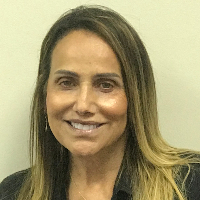
About Cheryl
Cheryl Youngblood is a Licensed Clinical Social Worker (LCSW) in California with 12 years of post-licensure experience. She focuses on stress, anxiety, family concerns, trauma and abuse, depression, relationship and intimacy-related issues, and other life challenges. Cheryl works with adults who are trying to regain closeness, rebuild trust after breaches, or manage differences in desire and connection.
She uses a conversational, client-centered approach. Sessions involve talking through what feels difficult now and testing small changes that can feel manageable. Cheryl draws on Cognitive Behavioral Therapy to spot patterns of thought and Emotionally-Focused Therapy to look at how feelings shape connections. Motivational Interviewing and Narrative Therapy help with goals and reshaping personal stories.
Her background includes leadership at a foster and adoption agency and many years supporting people affected by trauma, domestic violence, and caregiving stress. That work shaped her focus on practical strategies for day-to-day functioning and relationship repair. She also brings gerontology-informed perspectives when older adults or caregivers are involved.
In sessions Cheryl may introduce breathing techniques, guided imagery, sensory grounding, and brief mindfulness exercises. These tools are offered alongside talk therapy to help reduce alarm and increase present-moment focus. The aim is steady, manageable steps rather than quick fixes.
She asks clients to identify one or two immediate goals and then tests approaches that fit their life. New clients complete a short questionnaire before the first meeting so Cheryl can match priorities to methods and planning for what comes next.
How Cheryl’s approaches translate to online work
Cheryl uses Client-Centered Therapy to place the client’s concerns at the center of each session, listening and reflecting to clarify what matters most. That approach helps when relationships or intimacy are strained and a person needs a steady, responsive listener.She also draws on Cognitive Behavioral Therapy to identify thinking patterns that feed anxiety or withdrawal. CBT provides concrete exercises and small behavioral experiments that can be practiced between sessions to shift unhelpful habits.
Finding the right approach is collaborative. Cheryl will talk with each person about their goals, try methods that fit those goals, and adjust the plan based on what feels helpful. The process is about testing what helps in day-to-day life rather than committing to a single model up front.
Session formats are not specified in the biography, so confirm current options before booking. Online sessions can make it easier to fit therapy into a workday, reduce travel time, and allow shorter check-ins when a quick follow-up is needed. They also let clients use techniques like guided breathing or grounding exercises in a familiar setting while working with a licensed professional.
Frequently asked questions
What kinds of concerns does Cheryl address?
She works with stress, anxiety, trauma and abuse, depression, relationship issues, intimacy-related concerns, caregiving stress, and related topics listed in her profile.
How would you describe her therapeutic style?
Her style is client-centered and conversational. She combines practical techniques with emotional work to address current problems and relationship patterns.
How much experience does she have?
Cheryl has 12 years of experience as an LCSW in California following prior work directing a foster and adoption agency.
What credential does she hold and where is she based?
She is a Licensed Clinical Social Worker (LCSW) practicing in California.
Which languages are sessions offered in?
Sessions are offered in English.
Does she work with clients outside the U.S.?
She is not accepting international clients at this time.
How are sessions scheduled and what does cost look like?
Cost varies with location and services; sessions use a subscription model that can be canceled at any time.
How do I get started if I want to meet with her?
Select the See online therapy options button, complete a short matching questionnaire, and schedule a first session.