
Dr. Steven Hurley
IL Psychologist 071007009Illinois · 19 yrs exp
Illinois psychologist - intimacy and relationships
Stress, Anxiety · LGBT · Relationship · Trauma and abuse · +9 more
Read profileTherapist listings are provided by BetterHelp. We will earn a commission at no additional cost to you if you use our links to purchase.
Use these profiles to compare clinicians who list LGBT and intimacy among their focus areas. You can review listed location, languages, professional degrees, approaches and practice style to identify profiles that match what you want to explore.
Browse the profiles below to learn more about each therapist's focus and how they describe their experience and approach.
Illinois · 19 yrs exp
Illinois psychologist - intimacy and relationships
Stress, Anxiety · LGBT · Relationship · Trauma and abuse · +9 more
Read profile
California · 14 yrs exp
Licensed counselor - relationships and intimacy
Stress, Anxiety · Relationship · Family · Intimacy-related issues · +9 more
Read profile
Missouri · 23 yrs exp
Licensed Professional Counselor - Intimacy and Addictions
Stress, Anxiety · Addictions · Trauma and abuse · Career · +10 more
Read profile
Oregon · 17 yrs exp
LPC and LCPC - relationships and mood concerns
Stress, Anxiety · Anger · Self esteem · Career · +12 more
Read profile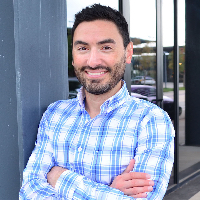
Kansas · 15 yrs exp
Licensed counselor - intimacy and relationships
Stress, Anxiety · Relationship · Family · Trauma and abuse · +14 more
Read profile
New Jersey · 15 yrs exp
Licensed Clinical Social Worker - Intimacy and Relationships
Stress, Anxiety · Family · Trauma and abuse · Parenting · +10 more
Read profile
North Carolina · 51 yrs exp
LCMHC - Relationships and Intimacy
Relationship · Intimacy-related issues · Parenting · Self esteem · +12 more
Read profile
Georgia · 8 yrs exp
Dr. Vivia Hill-Silcott, LPC - Relationships and Intimacy
Stress, Anxiety · Relationship · Family · Grief · +11 more
Read profile
Kentucky · 18 yrs exp
Licensed Marriage and Family Therapist - Relationships and Intimacy
LGBT · Relationship · Family · Self esteem · +14 more
Read profile
New York · 9 yrs exp
LMHC - Intimacy and Relationship Concerns
Addictions · LGBT · Intimacy-related issues · Depression · +9 more
Read profile
Florida · 10 yrs exp
Licensed counselor - Relationships and Intimacy
Stress, Anxiety · Addictions · Anger · Depression · +12 more
Read profile
Florida · 25 yrs exp
Licensed Mental Health Counselor - Relationships and Trauma
Relationship · Trauma and abuse · Grief · Anger · +12 more
Read profile
New Jersey · 5 yrs exp
Licensed Professional Counselor - Relationships and Intimacy
Stress, Anxiety · Relationship · Family · Anger · +12 more
Read profile
Florida · 7 yrs exp
Licensed counselor - relationships and addiction
Addictions · Relationship · Family · Trauma and abuse · +13 more
Read profile
Illinois · 25 yrs exp
Licensed Clinical Social Worker - Relationships and Mood
Stress, Anxiety · Relationship · Grief · Depression · +10 more
Read profile
New York · 5 yrs exp
Licensed Mental Health Counselor - Relationships and Intimacy
Stress, Anxiety · LGBT · Trauma and abuse · Bipolar · +12 more
Read profile
Michigan · 5 yrs exp
Licensed Professional Counselor - Relationships and Intimacy
Stress, Anxiety · Relationship · Family · Self esteem · +12 more
Read profile
New York · 15 yrs exp
Licensed counselor - Intimacy and relationships
Stress, Anxiety · Trauma and abuse · Grief · Self esteem · +16 more
Read profile
Rhode Island · 18 yrs exp
LMHC - Anxiety and Relationship concerns
Stress, Anxiety · Relationship · Trauma and abuse · Grief · +12 more
Read profile
Pennsylvania · 12 yrs exp
Licensed counselor - relationships and anxiety
Stress, Anxiety · Relationship · Self esteem · Depression · +11 more
Read profile
North Carolina · 10 yrs exp
Licensed clinical social worker - relationships and anxiety
Stress, Anxiety · Relationship · Family · Bipolar · +16 more
Read profile
Michigan · 45 yrs exp
Licensed counselor - Intimacy and addictions
Stress, Anxiety · Addictions · Trauma and abuse · Grief · +10 more
Read profile
Florida · 3 yrs exp
LMHC - Relationship and intimacy concerns
Stress, Anxiety · Addictions · LGBT · Relationship · +12 more
Read profile
Pennsylvania · 16 yrs exp
Licensed Counselor - Relationships and Intimacy
Stress, Anxiety · Relationship · Family · Trauma and abuse · +11 more
Read profile
Florida · 30 yrs exp
Dr. Robert Nolan, LMHC - Mood and relationship concerns
Stress, Anxiety · Trauma and abuse · Bipolar · Depression · +16 more
Read profile
Wisconsin · 23 yrs exp
Licensed Professional Counselor - Intimacy and Relationships
Stress, Anxiety · Trauma and abuse · Eating · Bipolar · +13 more
Read profile
Colorado · 11 yrs exp
Licensed Professional Counselor - intimacy and relationships
Stress, Anxiety · LGBT · Trauma and abuse · Anger · +15 more
Read profile
North Carolina · 18 yrs exp
Dr. Shelia Williamson Collins - LPC LCPC, relationships and addictions
Stress, Anxiety · Addictions · Trauma and abuse · Anger · +13 more
Read profile
Texas · 22 yrs exp
Dr. Ngozi Okose - LPC, relationships and intimacy
Stress, Anxiety · Relationship · Trauma and abuse · Depression · +16 more
Read profile
Kentucky · 11 yrs exp
Licensed Marriage and Family Therapist - Relationships and Intimacy
Stress, Anxiety · Relationship · Family · Self esteem · +9 more
Read profile
Georgia · 19 yrs exp
Licensed Professional Counselor - Relationships and Intimacy
Stress, Anxiety · Addictions · Trauma and abuse · Self esteem · +11 more
Read profile
Nebraska · 14 yrs exp
LIMHP in Nebraska - Intimacy and mood concerns
Stress, Anxiety · Grief · Bipolar · Depression · +13 more
Read profile
Pennsylvania · 12 yrs exp
Licensed Professional Counselor - relationships and intimacy
Stress, Anxiety · LGBT · Relationship · Self esteem · +8 more
Read profile
Mississippi · 12 yrs exp
Licensed Clinical Social Worker - Intimacy and Relationships
Stress, Anxiety · Addictions · Anger · Self esteem · +12 more
Read profile
Florida · 10 yrs exp
Licensed Mental Health Counselor - Relationships and Intimacy
Stress, Anxiety · Family · Parenting · Self esteem · +10 more
Read profile
Alabama · 15 yrs exp
Licensed Professional Counselor - Intimacy and emotional health
Stress, Anxiety · Addictions · Relationship · Family · +12 more
Read profile
Virginia · 14 yrs exp
Licensed Professional Counselor - Trauma and Relationships
Trauma and abuse · Grief · Coping with life changes · Compassion fatigue · +12 more
Read profile
Colorado · 34 yrs exp
Dr. Rhoda Lipscomb - LPC, intimacy and sexual health
Stress, Anxiety · LGBT · Relationship · Intimacy-related issues · +8 more
Read profile
Nevada · 20 yrs exp
LCPC, LMHC - Relationships and Intimacy
Stress, Anxiety · Addictions · Relationship · Family · +15 more
Read profile
Florida · 20 yrs exp
Licensed counselor - relationships and addictions
Stress, Anxiety · Addictions · Relationship · Trauma and abuse · +15 more
Read profile
Ohio · 20 yrs exp
LISW in Ohio - Relationship and intimacy concerns
Stress, Anxiety · LGBT · Family · Grief · +16 more
Read profile
Arkansas · 23 yrs exp
Licensed Professional Counselor - Intimacy and Relationships
Stress, Anxiety · Trauma and abuse · Anger · Self esteem · +11 more
Read profile
Colorado · 5 yrs exp
LCSW in Colorado - Relationships and Intimacy
Stress, Anxiety · Relationship · Family · Trauma and abuse · +10 more
Read profile
Virginia · 47 yrs exp
Licensed Clinical Social Worker - Relationships and Intimacy
Stress, Anxiety · Relationship · Grief · Self esteem · +10 more
Read profile
Oregon · 15 yrs exp
LPC counselor - intimacy and addiction concerns
Stress, Anxiety · Addictions · Relationship · Trauma and abuse · +12 more
Read profile
Kansas · 18 yrs exp
Licensed social worker - intimacy and relationships
LGBT · Family · Trauma and abuse · Parenting · +13 more
Read profile
Oklahoma · 8 yrs exp
Licensed Professional Counselor - Relationships and Intimacy
Stress, Anxiety · Addictions · Self esteem · Depression · +11 more
Read profile
South Carolina · 5 yrs exp
Licensed Professional Counselor - relationships and intimacy
Relationship · Family · Trauma and abuse · Intimacy-related issues · +15 more
Read profile
Kansas · 5 yrs exp
LCSW clinician - relationships and intimacy
Stress, Anxiety · Trauma and abuse · Anger · Self esteem · +11 more
Read profile
Louisiana · 10 yrs exp
Licensed Professional Counselor - Relationships and Intimacy
Stress, Anxiety · Trauma and abuse · Anger · Self esteem · +8 more
Read profile
North Carolina · 20 yrs exp
Licensed Clinical Social Worker - Intimacy and Addictions
Stress, Anxiety · Addictions · Family · Career · +16 more
Read profile
Louisiana · 12 yrs exp
Licensed Professional Counselor - Relationships and Intimacy
Relationship · Parenting · Anger · Self esteem · +14 more
Read profile
Colorado · 13 yrs exp
LMFT - Relationships and Intimacy
Stress, Anxiety · LGBT · Relationship · Trauma and abuse · +10 more
Read profile
North Carolina · 20 yrs exp
Licensed counselor - Intimacy and mood concerns
Stress, Anxiety · Parenting · Self esteem · Depression · +15 more
Read profile
South Carolina · 8 yrs exp
South Carolina LPC - Intimacy and relationship concerns
Stress, Anxiety · Trauma and abuse · Anger · Bipolar · +13 more
Read profile
Florida · 18 yrs exp
Dr. Nicole Thweatt, LMHC - Relationships and Mood Concerns
Stress, Anxiety · Parenting · Anger · Self esteem · +13 more
Read profile
Missouri · 13 yrs exp
Licensed Clinical Social Worker - Relationships and Addictions
Stress, Anxiety · Addictions · Relationship · Family · +6 more
Read profile
Missouri · 23 yrs exp
Licensed Professional Counselor - Relationships and Intimacy
Stress, Anxiety · Relationship · Trauma and abuse · Depression · +9 more
Read profile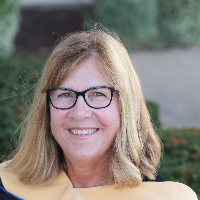
Illinois · 23 yrs exp
Licensed Clinical Social Worker - Relationships and Intimacy
Stress, Anxiety · Trauma and abuse · Anger · Depression · +10 more
Read profile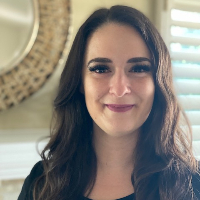
California · 6 yrs exp
Licensed MFT - Relationships and Intimacy
Stress, Anxiety · Addictions · Relationship · Depression · +10 more
Read profileWhen therapists list LGBT as a focus in a directory centered on intimacy and closeness, it signals that they have noted an interest in working with people whose sexual orientation or gender identity intersects with relationship concerns. That listing does not by itself establish a particular clinical certification, nor does it indicate that a therapist treats couples, families or minors unless they say so in their profile. It also does not guarantee any specific outcome. What you will find in profiles are descriptions of areas a clinician reports working with, the approaches they list, their academic degrees and the listed location where they practice or are based.
As you read, keep in mind that people coming to explore closeness and connection do so for many reasons. You might be thinking about building trust after a hurt, navigating new levels of intimacy in a relationship, coping with internalized stigma or simply wanting greater emotional availability. Profiles are a starting point to compare who appears to focus on the concerns you bring and to prepare questions to ask before you reach out.
Your experience of intimacy is shaped by many factors, and for LGBT people some of those factors may include how identity, community context and past experiences influence trust and vulnerability. You might notice that stigma, rejection or lack of acceptance from family or peers affects how you express affection or how safe you feel being open. You might also be navigating transitions - coming out, exploring gender expression, dating after a long-term relationship - and those transitions can change how you form and maintain closeness.
Because this directory emphasizes intimacy, many profiles highlight work on emotional distance, building trust, negotiating boundaries and increasing vulnerability in relationships. That focus does not automatically mean a therapist provides sex therapy certification or that partner attendance is required. If you have physical symptoms that might be related to sexual health or medical concerns, it is appropriate to consult a doctor or other qualified medical professional in addition to any therapeutic support you pursue.
When you compare profiles, think about what matters most to you and turn that into specific questions. You might ask whether a clinician has experience with the particular identity or dynamic you want to discuss and how they describe their work with those issues. Rather than assuming a method, ask which approaches the therapist lists and how they apply them in sessions. For example, some therapists list psychodynamic, cognitive-behavioral or mindfulness-informed approaches, while others list experiential modalities. You can ask how a listed approach typically informs their work on intimacy and closeness.
It is also useful to clarify the distinction between academic degrees and professional permission to practice. Profiles may show degrees such as PhD, PsyD, MD, MA or MSW. These indicate training but do not by themselves confirm current registration, licensure or membership in a professional body. In the United States you may see references to state licenses; in the United Kingdom profiles often note registration or membership with professional organizations; in Australia clinicians may list registration or membership with national or regional bodies. You can ask a therapist to explain which license, registration or membership they hold and in which jurisdiction, and how that informs the scope of work they offer.
If you are considering online sessions, it helps to cover certain practical topics so you know how the clinician works. Ask what platforms or technologies they use and how they protect session privacy and records. Request information about their emergency or crisis procedures and what supports they recommend in your listed location if you need immediate in-person help. Clarify whether they work with individuals, couples or other configurations and whether any partner attendance is expected or optional for the issues you want to address.
Also discuss communication preferences for scheduling and follow-up, how notes and documentation are handled and how they approach boundaries around contact between sessions. If language access matters to you, check which languages are listed on a profile and whether interpretation or bilingual work is part of their practice. Finally, if you have physical symptoms you believe are connected to sexual health or bodily responses, ask for a referral to a medical professional or discuss coordinating care with your doctor while you attend therapy.
Start by reading profiles with an eye toward the concrete details you can compare. Look at the focus areas listed to see whether they include topics that match your goals - for example, trust after betrayal, exploring vulnerability, negotiating intimacy in nonmonogamous arrangements or working through identity-related stress. Notice the language used in profiles to describe approach and tone; some clinicians emphasize exploratory dialogue and reflection while others emphasize practical skills and homework. Think about which style feels more helpful for you.
Pay attention to listed languages if communicating in a non-English language is important, and note the listed location if you prefer an in-person clinician near you. Examine how degrees are presented and whether profiles mention a license, registration or membership with a regional professional body. When a clinician lists a therapeutic approach, you can ask them to describe what that looks like in practice rather than assuming it implies formal certification. If a profile mentions working with specific communities, consider whether the examples they give reflect a familiarity that aligns with your identity and life context.
Ultimately, profiles are a tool to help you narrow your search and prepare meaningful questions. You may want to contact several clinicians to learn how they would approach your concerns and how comfortable you feel with their descriptions of focus and style. Comparing profiles by the concrete details they provide will help you choose who to reach out to so you can discuss your needs directly and decide whether to move forward with an initial conversation.
Alabama
66 therapists
Alaska
10 therapists
Arizona
62 therapists
Arkansas
26 therapists
Australia
68 therapists
California
338 therapists
Colorado
108 therapists
Connecticut
39 therapists
Delaware
15 therapists
District of Columbia
15 therapists
Florida
500 therapists
Georgia
171 therapists
Hawaii
23 therapists
Idaho
20 therapists
Illinois
160 therapists
Indiana
81 therapists
Iowa
23 therapists
Kansas
37 therapists
Kentucky
55 therapists
Louisiana
115 therapists
Maine
15 therapists
Maryland
72 therapists
Massachusetts
51 therapists
Michigan
156 therapists
Minnesota
62 therapists
Mississippi
43 therapists
Missouri
149 therapists
Montana
24 therapists
Nebraska
27 therapists
Nevada
28 therapists
New Hampshire
18 therapists
New Jersey
120 therapists
New Mexico
28 therapists
New York
240 therapists
North Carolina
195 therapists
North Dakota
5 therapists
Ohio
112 therapists
Oklahoma
86 therapists
Oregon
33 therapists
Pennsylvania
158 therapists
Rhode Island
10 therapists
South Carolina
98 therapists
South Dakota
11 therapists
Tennessee
76 therapists
Texas
512 therapists
United Kingdom
1151 therapists
Utah
42 therapists
Vermont
9 therapists
Virginia
87 therapists
Washington
64 therapists
West Virginia
15 therapists
Wisconsin
68 therapists
Wyoming
13 therapists