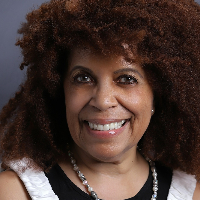
Beatrice "Faith" Berry
LCSW, CSWTennessee · 15 yrs exp
Licensed Clinical Social Worker - Relationships and Intimacy
Stress, Anxiety · Relationship · Family · Self esteem · +9 more
Read profileTherapist listings are provided by BetterHelp. We will earn a commission at no additional cost to you if you use our links to purchase.
Use this Tennessee page to compare therapists listed under the Tennessee location by specialties, approaches, credentials and languages. Browse the profiles below to learn more and confirm a clinician's permission to work with you where you live.
Tennessee · 15 yrs exp
Licensed Clinical Social Worker - Relationships and Intimacy
Stress, Anxiety · Relationship · Family · Self esteem · +9 more
Read profile
Tennessee · 28 yrs exp
Licensed Practicing Counselor - Trauma and Relationships
Stress, Anxiety · Addictions · Family · Trauma and abuse · +8 more
Read profile
Tennessee · 8 yrs exp
Licensed Professional Counselor - Relationships and Intimacy
Stress, Anxiety · Relationship · Trauma and abuse · Grief · +6 more
Read profile
Tennessee · 35 yrs exp
Licensed Clinical Social Worker - Intimacy and mood concerns
Stress, Anxiety · Grief · Self esteem · Depression · +7 more
Read profile
Tennessee · 8 yrs exp
Licensed Professional Counselor - Relationships and Intimacy
Stress, Anxiety · Relationship · Family · Trauma and abuse · +6 more
Read profile
Tennessee · 8 yrs exp
Licensed Clinical Social Worker - Intimacy and Mood Concerns
LGBT · Stress, Anxiety · Addictions · Relationship · +9 more
Read profile
Tennessee · 16 yrs exp
PhD counselor - relationships and emotional health
Addictions · Relationship · Trauma and abuse · Self esteem · +11 more
Read profile
Tennessee · 12 yrs exp
Licensed Professional Counselor - Relationships and Intimacy
Stress, Anxiety · Relationship · Family · Depression · +7 more
Read profile
Tennessee · 5 yrs exp
Licensed Professional Counselor - Anxiety and Relationships
Stress, Anxiety · Family · Trauma and abuse · Anger · +12 more
Read profile
Tennessee · 5 yrs exp
LPC - Relationships and Intimacy
Stress, Anxiety · Relationship · Anger · Self esteem · +7 more
Read profile
Tennessee · 10 yrs exp
Licensed Professional Counselor - Relationships and Intimacy
Stress, Anxiety · Relationship · Family · Self esteem · +10 more
Read profile
Tennessee · 16 yrs exp
Licensed Professional Counselor focused on intimacy and addiction
Stress, Anxiety · Addictions · Trauma and abuse · Self esteem · +11 more
Read profile
Tennessee · 12 yrs exp
Licensed Professional Counselor - Relationships and Anxiety
Family · Grief · Parenting · Self esteem · +10 more
Read profile
Tennessee · 9 yrs exp
Licensed professional counselor - Intimacy and relationships
Stress, Anxiety · Grief · Depression · ADHD · +12 more
Read profile
Tennessee · 10 yrs exp
Licensed counselor - Relationships and Addictions
Addictions · Relationship · Trauma and abuse · Self esteem · +11 more
Read profile
Tennessee · 17 yrs exp
LCSW - Relationships and Intimacy
Addictions · Relationship · Family · Self esteem · +13 more
Read profile
Tennessee · 3 yrs exp
Licensed Professional Counselor - Trauma and Intimacy
Stress, Anxiety · Addictions · Trauma and abuse · Self esteem · +8 more
Read profile
Tennessee · 10 yrs exp
LCSW - Relationships and Intimacy
Stress, Anxiety · Relationship · Family · Trauma and abuse · +13 more
Read profile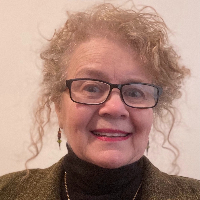
Tennessee · 26 yrs exp
LCSW focused on relationships and trauma
Stress, Anxiety · Relationship · Trauma and abuse · Self esteem · +12 more
Read profile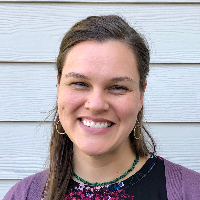
Tennessee · 4 yrs exp
Licensed Professional Counselor - Intimacy and Addiction
Stress, Anxiety · Addictions · Trauma and abuse · Grief · +12 more
Read profile
Tennessee · 14 yrs exp
Dr. Brandi Treadway, LMFT - Relationships and Intimacy
Relationship · Family · Self esteem · Career · +9 more
Read profile
Tennessee · 23 yrs exp
Licensed Professional Counselor - Relationships and Trauma
Stress, Anxiety · Addictions · Relationship · Trauma and abuse · +13 more
Read profile
Tennessee · 12 yrs exp
Licensed Marriage and Family Therapist - Intimacy and Trauma
Stress, Anxiety · Trauma and abuse · Intimacy-related issues · Depression · +13 more
Read profile
Tennessee · 15 yrs exp
Licensed Clinical Social Worker - Relationships and Intimacy
Stress, Anxiety · Parenting · Anger · Self esteem · +12 more
Read profile
Tennessee · 21 yrs exp
Licensed Professional Counselor - Relationships and Intimacy
Stress, Anxiety · Anger · Self esteem · Coping with life changes · +9 more
Read profile
Tennessee · 5 yrs exp
Licensed Professional Counselor - Relationships and Intimacy
Stress, Anxiety · Trauma and abuse · Anger · Self esteem · +14 more
Read profile
Tennessee · 19 yrs exp
Licensed Professional Counselor - Intimacy and Relationships
Stress, Anxiety · Self esteem · Coping with life changes · Coaching · +13 more
Read profile
Tennessee · 22 yrs exp
Licensed Professional Counselor - Intimacy and Mood
Stress, Anxiety · Family · Self esteem · Depression · +9 more
Read profile
Tennessee · 22 yrs exp
Licensed Professional Counselor - Intimacy and Relationships
Stress, Anxiety · Trauma and abuse · Parenting · Self esteem · +11 more
Read profile
Tennessee · 11 yrs exp
Licensed Professional Counselor - Intimacy and Stress
Stress, Anxiety · Trauma and abuse · Self esteem · Depression · +14 more
Read profile
Tennessee · 20 yrs exp
Dr Bradley (Brad) Bull LMFT - Relationships and Intimacy
Relationship · Family · Intimacy-related issues · Parenting · +7 more
Read profile
Tennessee · 44 yrs exp
Licensed marriage and family therapist - relationships and addictions
Addictions · Relationship · Family · Self esteem · +10 more
Read profile
Tennessee · 6 yrs exp
Licensed Professional Counselor - Relationships and Intimacy
Stress, Anxiety · Relationship · Parenting · Self esteem · +9 more
Read profile
Tennessee · 7 yrs exp
LCSW counselor - relationships and life changes
Stress, Anxiety · Family · Career · Depression · +12 more
Read profile
Tennessee · 16 yrs exp
Dr. Porche Wynn - LPC, relationships and trauma
Stress, Anxiety · Addictions · Family · Trauma and abuse · +12 more
Read profile
Tennessee · 16 yrs exp
Licensed Professional Counselor - relationships and intimacy
Stress, Anxiety · Family · Grief · Parenting · +7 more
Read profile
Tennessee · 13 yrs exp
Licensed Professional Counselor - Relationships and Trauma
Relationship · Trauma and abuse · Grief · Parenting · +14 more
Read profile
Tennessee · 9 yrs exp
Licensed Professional Counselor - Relationships and Intimacy
Stress, Anxiety · Family · Parenting · Anger · +13 more
Read profile
Tennessee · 7 yrs exp
LPC counselor - intimacy and relationships
Addictions · LGBT · Trauma and abuse · Grief · +9 more
Read profile
Tennessee · 7 yrs exp
Licensed Marriage and Family Therapist - Relationships and Intimacy
Relationship · Grief · Intimacy-related issues · Parenting · +9 more
Read profile
Tennessee · 8 yrs exp
Dr. Weston Crafton LMFT - Relationships and Intimacy
Stress, Anxiety · Trauma and abuse · Intimacy-related issues · Self esteem · +6 more
Read profile
Tennessee · 8 yrs exp
Licensed Professional Clinical Counselor - Intimacy and Relationships
Stress, Anxiety · Trauma and abuse · Grief · Self esteem · +10 more
Read profile
Tennessee · 4 yrs exp
Licensed Professional Counselor - Relationships and Intimacy
Stress, Anxiety · Relationship · Trauma and abuse · Self esteem · +5 more
Read profile
Tennessee · 8 yrs exp
Licensed Professional Counselor - Addiction and Mental Health
Addictions · Trauma and abuse · Grief · Self esteem · +12 more
Read profile
Tennessee · 25 yrs exp
Tennessee LCSW - relationships and life stress
Stress, Anxiety · Family · Trauma and abuse · Self esteem · +14 more
Read profile
Tennessee · 6 yrs exp
Licensed Professional Counselor - Relationships and Intimacy
Stress, Anxiety · Relationship · Family · Bipolar · +10 more
Read profile
Tennessee · 7 yrs exp
Licensed Professional Counselor - Relationships and Intimacy
Stress, Anxiety · Family · Parenting · Self esteem · +8 more
Read profile
Tennessee · 30 yrs exp
Dr. Edward Varner - LPC-MHSP, relationships and trauma
Relationship · Trauma and abuse · Self esteem · Bipolar · +13 more
Read profile
Tennessee · 8 yrs exp
LCSW focused on intimacy and relationship concerns
Stress, Anxiety · Grief · Self esteem · Depression · +8 more
Read profile
Tennessee · 17 yrs exp
LMFT helping with relationships and addictions
Stress, Anxiety · Relationship · Family · Depression · +8 more
Read profile
Tennessee · 4 yrs exp
Licensed Professional Counselor - Relationships and Intimacy
Addictions · Trauma and abuse · Self esteem · Depression · +16 more
Read profile
Tennessee · 10 yrs exp
LCSW focused on relationships and coping skills
Stress, Anxiety · Self esteem · Coping with life changes · Compassion fatigue · +10 more
Read profile
Tennessee · 25 yrs exp
Licensed Professional Counselor - Relationships and Trauma
Stress, Anxiety · Relationship · Trauma and abuse · Intimacy-related issues · +11 more
Read profile
Tennessee · 14 yrs exp
Licensed Professional Counselor - Anxiety and Relationships
Stress, Anxiety · Trauma and abuse · Self esteem · Depression · +12 more
Read profile
Tennessee · 16 yrs exp
Licensed Professional Counselor - Relationship and Intimacy
Stress, Anxiety · Grief · Anger · Self esteem · +6 more
Read profile
Tennessee · 10 yrs exp
Licensed Professional Counselor - Intimacy and Relationships
Stress, Anxiety · Anger · Self esteem · Coping with life changes · +10 more
Read profile
Tennessee · 34 yrs exp
Licensed Clinical Social Worker - Relationships and Intimacy
Stress, Anxiety · Relationship · Grief · Depression · +15 more
Read profile
Tennessee · 12 yrs exp
Licensed counselor - Intimacy and anxiety concerns
Stress, Anxiety · Trauma and abuse · Self esteem · Depression · +14 more
Read profile
Tennessee · 14 yrs exp
LPC counselor - intimacy and relationship concerns
Stress, Anxiety · Trauma and abuse · Self esteem · Depression · +14 more
Read profile
Tennessee · 10 yrs exp
Licensed counselor - Intimacy and relationships
Stress, Anxiety · LGBT · Relationship · Depression · +11 more
Read profileWhen emotional distance, difficulty trusting, or trouble with vulnerability affects your relationships, you are likely looking for a clinician who understands both emotional and relational dynamics. You should think about the specific concerns you want to address - for example, feeling emotionally distant, difficulty expressing affection, mismatched desire, or impacts from past trauma on current closeness - and bring those priorities into your search. A specialty listing on a profile indicates the clinician lists intimacy-related issues among their areas of work, but it does not establish a particular certification in sex therapy or mean that couples sessions must be part of care. If you are experiencing physical symptoms that affect intimacy, such as pain or changes in sexual function, it is appropriate to consult a medical doctor or other health professional for assessment before or alongside psychological care.
As you review profiles, notice how clinicians describe the kinds of relationships and life stages they work with, whether they emphasize emotional connection, communication, desire differences, or trauma-informed care. Consider whether you prefer someone who frames their work in relational skills and communication or someone who highlights emotional processing and attachment. The language used in profiles can help you form an initial sense of fit, but detailed conversations with a clinician are the best way to understand how they might address your concerns.
The Tennessee page groups profiles under the listed location Tennessee, which helps you narrow the pool by geography on this site. That grouping does not guarantee an office in Tennessee or that a clinician is currently permitted to practice there. For any clinician you consider, check the individual profile and confirm permission to work with you where you live before beginning work together. This is especially important if you are seeking online care across state or national lines, because regulatory and registration rules vary.
Professional titles and academic degrees appear on profiles, and it helps to understand what those mean. Degrees such as PhD, PsyD, MD, MA, and MSW indicate academic and clinical training, but a degree alone does not establish current permission to practice. In the United States, clinicians typically hold state licenses that authorize practice; you can ask whether a clinician holds a state license and in which state that license is issued. In the United Kingdom professionals may be registered or members of regulated or recognized professional bodies, and in Australia clinicians may be registered or members of national associations. Profiles may list degrees, registrations, memberships or licenses, but you should ask each clinician to clarify their current professional standing and whether they are permitted to work with you in your location.
When you contact a clinician, having specific questions will help you compare how they describe their approach and experience. You might ask which issues they most often help people with and what a typical early session focuses on when people come for intimacy or closeness concerns. Ask about experience with situations similar to yours, such as rebuilding trust after betrayal, navigating mismatched desire, coping with emotional withdrawal, or addressing the effects of earlier relational wounds. If you notice a modality on a profile, you can ask whether the clinician uses that modality and how they integrate it into sessions; for example, you could ask about clinicians who list EMDR among their approaches and how they would apply it to intimacy-related trauma.
Clarify whether the clinician typically works with individuals, couples, or families, because a specialty listing does not automatically mean a clinician provides couple-based sessions. You can also ask how they describe their therapeutic style - whether they lean toward practical communication coaching, emotional processing, somatic awareness, or a mix - and how they tailor that style to different relationship goals. Concrete questions about prior experience, typical session focus, and how they measure progress will give you clearer evidence to judge fit than general descriptions alone.
If you are considering remote or online sessions, raise specific logistical and safety questions early. Confirm with the clinician whether they are permitted to provide care to someone in your state or country, since cross-jurisdiction practice rules may affect whether they can legally work with you. Discuss how you will create a comfortable environment for sessions at home - for example, where you will sit and how you will minimize interruptions - and agree on contingency plans for technical issues or emergencies. It is reasonable to ask how the clinician handles situations where immediate help may be needed, and whether they will provide guidance on local emergency resources if you are outside the clinician's jurisdiction.
Be sure to discuss communication preferences and boundaries for out-of-session contact, how session notes and records are handled, and what to expect for scheduling and cancellations. These practical conversations help you anticipate how the clinician structures care and whether their approach matches your needs. Always confirm permission to work together where you live before beginning remote sessions, and ask for referrals to local professionals if a clinician cannot legally provide services in your location.
As you scroll through profiles, focus on concrete differences that matter to you. Compare the primary concerns each clinician lists - whether their emphasis is on attachment and emotional bonding, sexual desire and mismatch, trauma's impact on intimacy, or communication and conflict patterns. Take note of the approaches they reference, keeping in mind the profile indicates they list those approaches rather than proving a formal credential. For example, you may want to read how clinicians describe their use of emotionally focused strategies versus behavioral communication tools, or whether they mention somatic work when trauma has affected intimacy.
Language and cultural competence are also important. If you prefer sessions in a language other than English or a clinician who names experience working with particular communities or identities, use those profile details to narrow your choices. Look closely at the combination of academic degrees and professional registrations or state licenses, and ask clinicians to explain what their credentials mean in practice. Consider the tone of each profile to gauge style - some clinicians write in a direct coaching voice, others emphasize reflective exploration - and reflect on which voice feels most likely to support the kind of change you want. When you find profiles that resonate, reach out with a few of the specific questions described above so you can confirm scope of practice, permission to work with you where you live, and whether their approach aligns with your goals.
Comparing profiles thoughtfully helps you move from a broad search to a short list of clinicians who seem to match your priorities. Remember that profiles provide initial information and that a direct conversation is the best way to clarify clinical scope, professional standing, and how a clinician would approach your particular concerns about intimacy and closeness in relationships.
Chronic Illness
862 therapists
Control Issues
2509 therapists
Depression
5256 therapists
Domestic Violence
1664 therapists
Guilt and Shame
3566 therapists
Intimacy Issues
5708 therapists
Isolation / Loneliness
3185 therapists
Midlife Crisis
2067 therapists
Post-Traumatic Stress
2880 therapists
Postpartum Depression
1331 therapists
Self Esteem
5305 therapists
Social Anxiety and Phobia
3068 therapists
Stress & Anxiety
5481 therapists
Trauma and Abuse
4940 therapists
Abandonment
2380 therapists
Attachment Issues
2681 therapists
Blended Family Issues
1852 therapists
Body Image
1859 therapists
Codependency
2323 therapists
Commitment Issues
2011 therapists
Communication Problems
3781 therapists
Coping with Life Changes
5091 therapists
Divorce
2838 therapists
Family of Origin Issues
1731 therapists
Fertility Issues
611 therapists
Forgiveness
3155 therapists
Infidelity
2056 therapists
Jealousy
1853 therapists
Non-Monogamous Relationships
938 therapists
Physical Intimacy Concerns
563 therapists
Pregnancy
1090 therapists
Relationship
5462 therapists
Self-Love
3600 therapists