
Dr. Steven Hurley
IL Psychologist 071007009Illinois · 19 yrs exp
Illinois psychologist - intimacy and relationships
Stress, Anxiety · LGBT · Relationship · Trauma and abuse · +9 more
Read profileTherapist listings are provided by BetterHelp. We will earn a commission at no additional cost to you if you use our links to purchase.
Browse profiles of therapists who list Non-Monogamous Relationships and intimacy among their focuses. Compare listed location, approaches, credentials, languages and therapy style to find profiles that fit what you want to explore.
Illinois · 19 yrs exp
Illinois psychologist - intimacy and relationships
Stress, Anxiety · LGBT · Relationship · Trauma and abuse · +9 more
Read profile
Kentucky · 18 yrs exp
Licensed Marriage and Family Therapist - Relationships and Intimacy
LGBT · Relationship · Family · Self esteem · +14 more
Read profile
New York · 9 yrs exp
LMHC - Intimacy and Relationship Concerns
Addictions · LGBT · Intimacy-related issues · Depression · +9 more
Read profile
North Carolina · 10 yrs exp
Licensed clinical social worker - relationships and anxiety
Stress, Anxiety · Relationship · Family · Bipolar · +16 more
Read profile
Florida · 15 yrs exp
Licensed Clinical Social Worker - Relationships and Intimacy
Relationship · Family · Intimacy-related issues · Coaching · +4 more
Read profile
Colorado · 11 yrs exp
Licensed Professional Counselor - intimacy and relationships
Stress, Anxiety · LGBT · Trauma and abuse · Anger · +15 more
Read profile
Texas · 22 yrs exp
Dr. Ngozi Okose - LPC, relationships and intimacy
Stress, Anxiety · Relationship · Trauma and abuse · Depression · +16 more
Read profile
Alabama · 15 yrs exp
Licensed Professional Counselor - Intimacy and emotional health
Stress, Anxiety · Addictions · Relationship · Family · +12 more
Read profile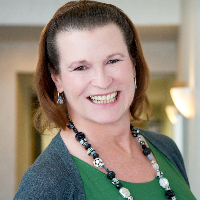
Colorado · 34 yrs exp
Dr. Rhoda Lipscomb - LPC, intimacy and sexual health
Stress, Anxiety · LGBT · Relationship · Intimacy-related issues · +8 more
Read profile
Nevada · 20 yrs exp
LCPC, LMHC - Relationships and Intimacy
Stress, Anxiety · Addictions · Relationship · Family · +15 more
Read profile
Ohio · 20 yrs exp
LISW in Ohio - Relationship and intimacy concerns
Stress, Anxiety · LGBT · Family · Grief · +16 more
Read profile
Oregon · 15 yrs exp
LPC counselor - intimacy and addiction concerns
Stress, Anxiety · Addictions · Relationship · Trauma and abuse · +12 more
Read profile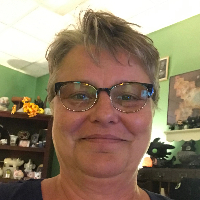
Kansas · 18 yrs exp
Licensed social worker - intimacy and relationships
LGBT · Family · Trauma and abuse · Parenting · +13 more
Read profile
Oklahoma · 8 yrs exp
Licensed Professional Counselor - Relationships and Intimacy
Stress, Anxiety · Addictions · Self esteem · Depression · +11 more
Read profile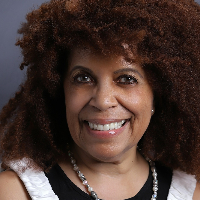
Tennessee · 15 yrs exp
Licensed Clinical Social Worker - Relationships and Intimacy
Stress, Anxiety · Relationship · Family · Self esteem · +9 more
Read profile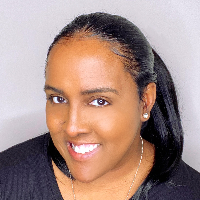
North Carolina · 20 yrs exp
Licensed Clinical Social Worker - Intimacy and Addictions
Stress, Anxiety · Addictions · Family · Career · +16 more
Read profile
Colorado · 13 yrs exp
LMFT - Relationships and Intimacy
Stress, Anxiety · LGBT · Relationship · Trauma and abuse · +10 more
Read profile
Texas · 20 yrs exp
Licensed Professional Counselor - Relationships and Intimacy
Stress, Anxiety · Relationship · Family · Trauma and abuse · +13 more
Read profile
Texas · 12 yrs exp
Licensed Professional Counselor - Relationships and Trauma
Relationship · Trauma and abuse · Intimacy-related issues · Parenting · +1 more
Read profile
Texas · 5 yrs exp
LCSW counselor - intimacy and mood concerns
Self esteem · Career · Bipolar · Depression · +8 more
Read profile
Texas · 17 yrs exp
Dr. Dora Whiteside - LPC Texas, mood and intimacy concerns
Stress, Anxiety · Addictions · Self esteem · Bipolar · +15 more
Read profile
Illinois · 9 yrs exp
Illinois LCPC - Intimacy and relationships
Stress, Anxiety · LGBT · Grief · Self esteem · +9 more
Read profile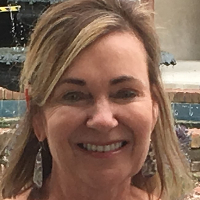
Kentucky · 15 yrs exp
Licensed Clinical Social Worker - relationships and mood
Stress, Anxiety · Relationship · Parenting · Anger · +13 more
Read profile
Florida · 34 yrs exp
LMHC in Florida - Relationships and Intimacy
Stress, Anxiety · Relationship · Trauma and abuse · Grief · +9 more
Read profile
Delaware · 24 yrs exp
LMFT - Relationships and Intimacy
Relationship · Family · Trauma and abuse · Parenting · +14 more
Read profile
Arizona · 21 yrs exp
LPC helping people with intimacy and relationship concerns
Stress, Anxiety · Addictions · Relationship · Family · +10 more
Read profile
Washington · 50 yrs exp
LMHC focused on intimacy and trauma
Stress, Anxiety · Trauma and abuse · Intimacy-related issues · Self esteem · +15 more
Read profile
Florida · 11 yrs exp
Licensed Mental Health Counselor - Intimacy and Relationships
Stress, Anxiety · Trauma and abuse · Grief · Depression · +8 more
Read profile
Missouri · 19 yrs exp
Licensed counselor - relationships and trauma
Stress, Anxiety · Relationship · Trauma and abuse · Depression · +14 more
Read profile
Mississippi · 25 yrs exp
Licensed Professional Counselor - relationships and intimacy
Stress, Anxiety · Relationship · Family · Grief · +11 more
Read profile
Florida · 13 yrs exp
LMHC - Relationships and Intimacy
Stress, Anxiety · Trauma and abuse · Anger · Depression · +11 more
Read profile
North Carolina · 6 yrs exp
Licensed counselor - relationships and intimacy
Stress, Anxiety · Relationship · Parenting · Self esteem · +7 more
Read profile
Texas · 20 yrs exp
Licensed Professional Counselor - Relationships and Intimacy
Stress, Anxiety · Relationship · Depression · Coping with life changes · +12 more
Read profile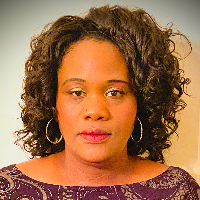
South Carolina · 9 yrs exp
Licensed professional counselor - Intimacy and relationships
Stress, Anxiety · Trauma and abuse · Grief · Depression · +16 more
Read profile
New York · 7 yrs exp
Licensed Mental Health Counselor - Relationships and Addictions
Addictions · Relationship · Intimacy-related issues · Self esteem · +3 more
Read profile
Michigan · 9 yrs exp
LMSW counselor - relationships and intimacy
Stress, Anxiety · Addictions · Relationship · Trauma and abuse · +15 more
Read profile
New Jersey · 10 yrs exp
Licensed Marriage and Family Therapist - Relationships and Trauma
Stress, Anxiety · LGBT · Trauma and abuse · Parenting · +13 more
Read profile
Florida · 12 yrs exp
LMHC and LPC - Relationship and Mood Concerns
Relationship · Self esteem · Depression · Coping with life changes · +9 more
Read profile
South Carolina · 11 yrs exp
Licensed Professional Counselor - Relationships and Intimacy
Stress, Anxiety · Family · Self esteem · Depression · +16 more
Read profile
Michigan · 10 yrs exp
Licensed Professional Counselor - Relationships and Intimacy
Stress, Anxiety · Relationship · Family · Trauma and abuse · +9 more
Read profile
Texas · 17 yrs exp
Licensed counselor - Intimacy and mood concerns
Stress, Anxiety · Addictions · LGBT · Trauma and abuse · +11 more
Read profile
Texas · 3 yrs exp
Licensed Professional Counselor - Relationships and Trauma
Stress, Anxiety · Relationship · Family · Trauma and abuse · +13 more
Read profile
Arizona · 40 yrs exp
Arizona LPC - Addictions and Intimacy issues
Addictions · Trauma and abuse · Self esteem · Career · +15 more
Read profile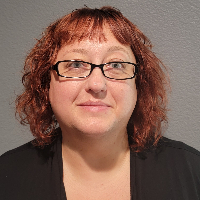
Texas · 15 yrs exp
LPC in Texas - Relationship and Intimacy concerns
Stress, Anxiety · LGBT · Relationship · Trauma and abuse · +13 more
Read profile
Texas · 32 yrs exp
Licensed counselor - relationships and intimacy
Stress, Anxiety · Relationship · Family · Trauma and abuse · +13 more
Read profile
United Kingdom · 5 yrs exp
BACP counsellor - relationships and anxiety
Stress, Anxiety · Relationship · Family · Trauma and abuse · +14 more
Read profile
Utah · 11 yrs exp
Licensed Clinical Social Worker - Trauma and Relationships
Stress, Anxiety · Addictions · Relationship · Trauma and abuse · +16 more
Read profile
United Kingdom · 10 yrs exp
BACP and NCPS counsellor - relationships and intimacy
Stress, Anxiety · Relationship · Intimacy-related issues · Eating · +13 more
Read profile
Texas · 20 yrs exp
Licensed Professional Counselor - Relationships and Intimacy
Stress, Anxiety · Relationship · Trauma and abuse · Grief · +1 more
Read profile
Florida · 7 yrs exp
Dr. Robin Miller, LMHC - Anxiety and Intimacy
Stress, Anxiety · Addictions · Relationship · Trauma and abuse · +15 more
Read profile
United Kingdom · 4 yrs exp
BACP counsellor - relationships and intimacy
Stress, Anxiety · Relationship · Trauma and abuse · Grief · +12 more
Read profile
United Kingdom · 3 yrs exp
Counsellor - Relationships and Intimacy
Stress, Anxiety · Relationship · Family · Trauma and abuse · +12 more
Read profile
United Kingdom · 5 yrs exp
Counsellor - intimacy and relationship concerns
Parenting · Anger · Self esteem · Coping with life changes · +15 more
Read profile
North Carolina · 14 yrs exp
LCSW - Relationships and Intimacy concerns
Stress, Anxiety · Relationship · Family · Trauma and abuse · +9 more
Read profile
United Kingdom · 7 yrs exp
Counsellor - Intimacy and emotional wellbeing
Stress, Anxiety · Trauma and abuse · Grief · Anger · +6 more
Read profile
United Kingdom · 28 yrs exp
BACP counsellor - intimacy and life changes
Stress, Anxiety · Grief · Depression · Coping with life changes · +11 more
Read profile
United Kingdom · 9 yrs exp
BACP counsellor - relationships and intimacy
Stress, Anxiety · LGBT · Relationship · Depression · +11 more
Read profile
California · 24 yrs exp
LCSW focused on relationships and intimacy
Addictions · Relationship · Family · Trauma and abuse · +14 more
Read profile
United Kingdom · 27 yrs exp
Counsellor - relationships and intimacy
Stress, Anxiety · Relationship · Eating · Self esteem · +16 more
Read profile
United Kingdom · 7 yrs exp
Person-centred counsellor - relationships and trauma
LGBT · Relationship · Trauma and abuse · Grief · +15 more
Read profileWhen you consider seeking help around non-monogamous relationships, you are often trying to navigate intense emotional territory. People commonly want support with jealousy, boundary setting, negotiating agreements, and rebuilding trust after hurts. You might be looking to increase emotional closeness while also honoring multiple connections, or to manage feelings of distance, vulnerability, and uncertainty. Some concerns are practical - how to talk about time, expectations, and safer-sex practices - while others are about identity, attachment, and how you relate to desire and affection.
Because intimacy and closeness are central to many relationships, you may also be thinking about communication patterns, conflict cycles, and how earlier relationship experiences shape current reactions. A therapist who lists intimacy among their focuses may work with these relational themes. Note that a listed topic is not evidence that a therapist offers couples or family work by default. You should discuss your needs and the therapist's scope directly so you know whether they work with individuals, partners, or other constellations.
Non-monogamous structures and intimacy concerns often intersect, but one does not always cause the other. You may seek help because different agreements are revealing unresolved patterns, or because a shift in structure highlights needs for greater vulnerability and mutual care. In some cases, people find non-monogamy amplifies their curiosity about emotional closeness and communication. In other situations, non-monogamy is one piece of a broader relationship exploration that includes attachment styles, trauma history, or life-stage changes.
When you look through profiles, you will see therapists who mention both intimacy and non-monogamous relationships. That listing signals an area they are willing to address, not a claim about outcomes or specialized certification. If you want to explore intersections - for example how jealousy conversations connect to attachment needs - bring that up when you contact a therapist so you can learn whether they have experience talking about those particular dynamics. Many people find it helpful to clarify early whether a practitioner frames their work more around emotional processes, practical negotiation, or skills-based communication.
Before you decide to reach out, think about concrete questions that help you compare profiles. Ask whether the therapist has experience working with consensual non-monogamy in the forms you are exploring, and whether they typically work with individuals, partners, or groups. You can ask how they describe their approach to intimacy and whether they address sexual health conversations as part of therapy or recommend outside medical consultation for physical symptoms.
When therapists list therapeutic approaches on their profile, that indicates what they mention using, not necessarily a certification. It is accurate to ask if they have worked with specific modalities by saying, for example, therapists who list EMDR among their approaches may include it as an option to discuss. You should also ask about credentials in visitor-facing terms. In the United States this often means a state license to practice; in the United Kingdom and Australia it may mean registration or professional membership. Academic degrees such as PhD, PsyD, MD, MA, or MSW describe educational background and should be considered separately from a license or registration. A degree alone does not establish ongoing permission to practice in a given jurisdiction.
If you are considering online sessions, it helps to cover practical topics up front. Ask where the therapist is based and whether their listed location corresponds to the places they are permitted to practice. Jurisdiction rules vary, so check how they handle cross-border sessions if you and the practitioner are in different states or countries. Discuss time zones, technology platforms, and what to do if a session drops unexpectedly.
Also talk about safety planning. If you have concerns about risk or crises, clarify what the therapist can provide and what local emergency resources you might rely on. If physical symptoms or sexual health questions arise during therapy, your therapist should be able to recommend a physician or sexual health clinic for assessment and treatment. Finally, make clear whether you want individual work, joint sessions with a partner, or a mix - and ask how the therapist structures sessions for different needs. A specialty listing does not by itself prove that couples work is within a therapist's scope, so confirm their typical practice.
Comparing profiles effectively means looking beyond a single keyword and attending to several dimensions. Read the profile description to understand how a therapist frames non-monogamy and intimacy topics, and note which related focus areas they mention - for example boundaries, communication, grief, or sexuality. Check the languages listed so you can gauge whether they can work in the language you prefer. Pay attention to how they describe their therapeutic style - whether it is more exploratory and reflective, or more skills-oriented and pragmatic - and imagine which approach fits how you prefer to engage.
Look at credentials listed in profiles with an eye for both degrees and practice permissions. Degrees tell you about training background while licensure or registration indicates legal permission to practice in particular regions. When a profile lists a listed location, it gives you a sense of where the therapist is based but does not guarantee any particular mode of service. Consider also the populations they mention working with and any statements about cultural competence, identity, or community experience. Those elements can matter a great deal in finding someone who understands your context.
Ultimately, use profiles to narrow options and then reach out with specific questions that matter to you. Ask about how they approach conversations about affection, vulnerability, and trust; whether they have experience with the kinds of agreements or structures you are exploring; and how they recommend balancing multiple relationships while protecting emotional well-being. Direct conversation gives you the clearest sense of fit, and profiles are a way to focus that conversation on the therapists whose descriptions resonate most with your needs.
Alabama
66 therapists
Alaska
10 therapists
Arizona
62 therapists
Arkansas
26 therapists
Australia
68 therapists
California
338 therapists
Colorado
108 therapists
Connecticut
39 therapists
Delaware
15 therapists
District of Columbia
15 therapists
Florida
500 therapists
Georgia
171 therapists
Hawaii
23 therapists
Idaho
20 therapists
Illinois
160 therapists
Indiana
81 therapists
Iowa
23 therapists
Kansas
37 therapists
Kentucky
55 therapists
Louisiana
115 therapists
Maine
15 therapists
Maryland
72 therapists
Massachusetts
51 therapists
Michigan
156 therapists
Minnesota
62 therapists
Mississippi
43 therapists
Missouri
149 therapists
Montana
24 therapists
Nebraska
27 therapists
Nevada
28 therapists
New Hampshire
18 therapists
New Jersey
120 therapists
New Mexico
28 therapists
New York
240 therapists
North Carolina
195 therapists
North Dakota
5 therapists
Ohio
112 therapists
Oklahoma
86 therapists
Oregon
33 therapists
Pennsylvania
158 therapists
Rhode Island
10 therapists
South Carolina
98 therapists
South Dakota
11 therapists
Tennessee
76 therapists
Texas
512 therapists
United Kingdom
1151 therapists
Utah
42 therapists
Vermont
9 therapists
Virginia
87 therapists
Washington
64 therapists
West Virginia
15 therapists
Wisconsin
68 therapists
Wyoming
13 therapists