
Tahreer Ahmad
LPCLouisiana · 10 yrs exp
Licensed Professional Counselor - Relationships and Intimacy
Stress, Anxiety · Relationship · Family · Depression · +12 more
Read profileTherapist listings are provided by BetterHelp. We will earn a commission at no additional cost to you if you use our links to purchase.
Compare Louisiana profiles to find therapists who list intimacy and relationship closeness among their focus areas, including approaches, languages, and credentials. Browse the profiles below and check each therapist's listed location and permission to work where you live before reaching out.
Louisiana · 10 yrs exp
Licensed Professional Counselor - Relationships and Intimacy
Stress, Anxiety · Relationship · Family · Depression · +12 more
Read profile
Louisiana · 22 yrs exp
Licensed counselor and marriage therapist - relationships and mood
Stress, Anxiety · Relationship · Family · Grief · +11 more
Read profile
Louisiana · 20 yrs exp
LMFT LPC - Relationships and Emotional Health
Stress, Anxiety · Addictions · Eating · Depression · +14 more
Read profile
Louisiana · 10 yrs exp
Licensed Professional Counselor - Relationships and Stress
Stress, Anxiety · Trauma and abuse · Anger · Self esteem · +12 more
Read profile
Louisiana · 25 yrs exp
LPC counselor - Relationships and addiction
Addictions · Relationship · Family · Trauma and abuse · +11 more
Read profile
Louisiana · 10 yrs exp
Licensed Professional Counselor - Relationships and Intimacy
Stress, Anxiety · Trauma and abuse · Anger · Self esteem · +8 more
Read profile
Louisiana · 12 yrs exp
Licensed Professional Counselor - Relationships and Intimacy
Relationship · Parenting · Anger · Self esteem · +14 more
Read profile
Louisiana · 30 yrs exp
Licensed Clinical Social Worker - Relationships and Trauma
Stress, Anxiety · Family · Trauma and abuse · Self esteem · +16 more
Read profile
Louisiana · 30 yrs exp
Licensed Clinical Social Worker - Relationships and Trauma
Stress, Anxiety · Relationship · Family · Trauma and abuse · +14 more
Read profile
Louisiana · 30 yrs exp
LPC in Louisiana - Relationships and Intimacy
Stress, Anxiety · Relationship · Grief · Eating · +9 more
Read profile
Louisiana · 24 yrs exp
Licensed Professional Counselor - Intimacy and Relationships
Stress, Anxiety · Family · Trauma and abuse · Grief · +10 more
Read profile
Louisiana · 5 yrs exp
Licensed counselor - relationships and mental health
Stress, Anxiety · Relationship · Family · Depression · +13 more
Read profile
Louisiana · 24 yrs exp
LCSW in Louisiana - addictions and relationships
Addictions · Relationship · Family · Grief · +10 more
Read profile
Louisiana · 8 yrs exp
Licensed Professional Counselor - Intimacy and Mood Concerns
Stress, Anxiety · Addictions · Self esteem · Depression · +9 more
Read profile
Louisiana · 7 yrs exp
Licensed Professional Counselor - Intimacy and Relationships
Stress, Anxiety · Trauma and abuse · Self esteem · Depression · +11 more
Read profile
Louisiana · 24 yrs exp
LCSW - Intimacy and relationship concerns
Stress, Anxiety · Family · Anger · Coping with life changes · +13 more
Read profile
Louisiana · 14 yrs exp
Licensed Professional Counselor - Intimacy and mood concerns
Anger · Bipolar · Depression · Coping with life changes · +15 more
Read profile
Louisiana · 17 yrs exp
Licensed Professional Counselor - Relationships and Trauma
Stress, Anxiety · Trauma and abuse · Parenting · Depression · +15 more
Read profile
Louisiana · 8 yrs exp
Licensed Professional Counselor - Intimacy and Mood Concerns
Stress, Anxiety · Addictions · Grief · Intimacy-related issues · +4 more
Read profile
Louisiana · 6 yrs exp
Licensed Professional Counselor - Stress and Intimacy
Stress, Anxiety · Addictions · Relationship · Self esteem · +3 more
Read profile
Louisiana · 20 yrs exp
LCSW - Relationships and Intimacy
Stress, Anxiety · LGBT · Relationship · Trauma and abuse · +10 more
Read profile
Louisiana · 7 yrs exp
Licensed Professional Counselor - Intimacy and Relationships
Stress, Anxiety · Addictions · Relationship · Family · +10 more
Read profile
Louisiana · 21 yrs exp
Licensed Clinical Social Worker - Intimacy and Trauma
Stress, Anxiety · Family · Trauma and abuse · Grief · +14 more
Read profile
Louisiana · 5 yrs exp
Licensed Professional Counselor - Relationships and Intimacy
Stress, Anxiety · Relationship · Family · Grief · +16 more
Read profile
Louisiana · 3 yrs exp
LMFT and LPC - relationships and intimacy
Stress, Anxiety · Relationship · Family · Intimacy-related issues · +1 more
Read profile
Louisiana · 15 yrs exp
LCSW - Relationships and Intimacy Support
Stress, Anxiety · Relationship · Family · Trauma and abuse · +12 more
Read profile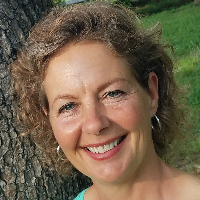
Louisiana · 30 yrs exp
LCSW - Relationships and Intimacy
Stress, Anxiety · Addictions · Relationship · Depression · +14 more
Read profile
Louisiana · 12 yrs exp
Licensed counselor - relationships and anxiety
Stress, Anxiety · Relationship · Family · Self esteem · +13 more
Read profile
Louisiana · 17 yrs exp
Licensed Clinical Social Worker - Relationships and Mood
Stress, Anxiety · Trauma and abuse · Anger · Depression · +8 more
Read profile
Louisiana · 18 yrs exp
Licensed Professional Counselor - Relationships and Intimacy
Stress, Anxiety · Anger · Self esteem · Depression · +12 more
Read profile
Louisiana · 16 yrs exp
LCSW - Relationships and Intimacy
Stress, Anxiety · Relationship · Trauma and abuse · Bipolar · +16 more
Read profile
Louisiana · 19 yrs exp
Licensed Professional Counselor - Relationships and Intimacy
Relationship · Family · Parenting · Self esteem · +12 more
Read profile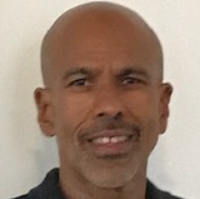
Louisiana · 26 yrs exp
Dr. Alfred White, Jr. - LPC, LMHC - Relationships and Intimacy
Stress, Anxiety · Relationship · Intimacy-related issues · Self esteem · +12 more
Read profile
Louisiana · 10 yrs exp
Licensed social worker - relationships and mood
Stress, Anxiety · Relationship · Intimacy-related issues · Self esteem · +11 more
Read profile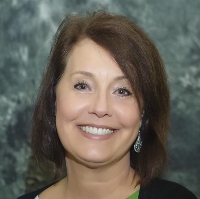
Louisiana · 10 yrs exp
Licensed Professional Counselor - Intimacy and Relationships
Stress, Anxiety · Grief · Parenting · Self esteem · +9 more
Read profile
Louisiana · 24 yrs exp
Licensed Clinical Social Worker - Relationships and Intimacy
Stress, Anxiety · Addictions · Relationship · Family · +12 more
Read profile
Louisiana · 3 yrs exp
Licensed Professional Counselor - relationships and anxiety
Stress, Anxiety · Relationship · Parenting · Self esteem · +11 more
Read profile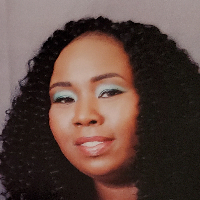
Louisiana · 18 yrs exp
LCSW in Louisiana - relationships and stress
Stress, Anxiety · Relationship · Parenting · Anger · +11 more
Read profile
Louisiana · 20 yrs exp
Licensed Clinical Social Worker - Stress and Intimacy
Stress, Anxiety · Trauma and abuse · Self esteem · Depression · +11 more
Read profile
Louisiana · 22 yrs exp
Licensed Professional Counselor - Relationships and Intimacy
Stress, Anxiety · LGBT · Relationship · Family · +8 more
Read profile
Louisiana · 6 yrs exp
Licensed Professional Counselor - Intimacy and Trauma
Stress, Anxiety · Trauma and abuse · Grief · Parenting · +10 more
Read profile
Louisiana · 7 yrs exp
Licensed Professional Counselor - Relationships and Intimacy
Stress, Anxiety · Relationship · Family · Trauma and abuse · +13 more
Read profile
Louisiana · 3 yrs exp
Licensed Clinical Social Worker - Intimacy and Relationships
Stress, Anxiety · Self esteem · Depression · Addictions · +14 more
Read profile
Louisiana · 10 yrs exp
LCSW - Intimacy and relationship concerns
Stress, Anxiety · Trauma and abuse · Anger · Self esteem · +16 more
Read profile
Louisiana · 9 yrs exp
Licensed Clinical Social Worker - Relationships and Intimacy
Stress, Anxiety · Parenting · Anger · Self esteem · +12 more
Read profile
Louisiana · 32 yrs exp
Dr. Gwendolyn Jackson LCSW - Relationships and Trauma
Stress, Anxiety · Relationship · Family · Trauma and abuse · +11 more
Read profile
Louisiana · 20 yrs exp
Licensed Professional Counselor - Relationships and Intimacy
Stress, Anxiety · Relationship · Family · Depression · +13 more
Read profile
Louisiana · 15 yrs exp
Licensed Professional Counselor - Relationships and Intimacy
Stress, Anxiety · Relationship · Family · Anger · +14 more
Read profile
Louisiana · 12 yrs exp
Licensed Professional Counselor - Trauma and Relationships
Stress, Anxiety · Addictions · Trauma and abuse · Grief · +9 more
Read profile
Louisiana · 15 yrs exp
Licensed Professional Counselor - Intimacy and Relationships
Stress, Anxiety · Trauma and abuse · Grief · Self esteem · +12 more
Read profile
Louisiana · 23 yrs exp
Licensed Professional Counselor - Relationships and Intimacy
Stress, Anxiety · Relationship · Trauma and abuse · Grief · +10 more
Read profile
Louisiana · 35 yrs exp
Licensed Clinical Social Worker - Trauma and Intimacy issues
Stress, Anxiety · Addictions · Trauma and abuse · Self esteem · +6 more
Read profile
Louisiana · 26 yrs exp
Licensed Professional Counselor - Relationship and Intimacy
Stress, Anxiety · Relationship · Family · Parenting · +12 more
Read profile
Louisiana · 5 yrs exp
Dr. Sovichan Scaria - LPC, LMFT - Relationships and Intimacy
Stress, Anxiety · Relationship · Family · Grief · +15 more
Read profile
Louisiana · 10 yrs exp
Licensed Professional Counselor - Relationships and Intimacy
Stress, Anxiety · Trauma and abuse · Grief · Parenting · +11 more
Read profile
Louisiana · 3 yrs exp
Licensed Professional Counselor - Relationships and Intimacy
Stress, Anxiety · Family · Grief · Anger · +11 more
Read profile
Louisiana · 14 yrs exp
Dr. Lucian Stamps - LPC, relationship and intimacy concerns
Stress, Anxiety · Relationship · Family · Trauma and abuse · +9 more
Read profile
Louisiana · 7 yrs exp
Licensed Counselor - Relationships and Intimacy
Stress, Anxiety · Relationship · Family · Trauma and abuse · +10 more
Read profile
Louisiana · 38 yrs exp
LCSW - Relationships and Intimacy
Stress, Anxiety · Relationship · Trauma and abuse · Intimacy-related issues · +8 more
Read profile
Louisiana · 16 yrs exp
LA Psychologist - Relationships and Intimacy
Stress, Anxiety · Relationship · Trauma and abuse · Career · +12 more
Read profileThis page groups profiles under the listed location Louisiana so you can begin comparing professionals who mention intimacy and closeness in relationships among their focus areas. A listed location is not proof that a therapist has an office near you, that they are authorized to practice in every jurisdiction, or that they see the kinds of clients you might be. Profiles vary in the details they include, and the presence of a topic on a profile does not prove specialist certification or particular training. You should review each profile carefully and ask the therapist directly about whether they are permitted to work with you where you live and about the settings in which they typically meet people.
Because this directory includes practitioners from the United States, the United Kingdom, and Australia, you will see different ways of mentioning qualifications and membership. Use the listed location as a starting point for comparison, not as a guarantee of local practice or legal permission. When you contact someone, confirm the practical and regulatory details that matter for your situation.
If you are searching for help with emotional distance, trust, affection, vulnerability, or rebuilding closeness, it helps to be specific about what brought you here. You might be noticing patterns in how you connect, recurring arguments that touch on intimacy, or physical cues that feel disconnected from emotional closeness. Bringing concrete recent examples to an initial conversation will help a therapist understand your priorities. Consider whether your concerns relate to life transitions, grief, stress, trauma, medical issues, or changes in desire, and be ready to mention any relevant medical symptoms to your primary care doctor. A medical professional can help rule out or address physical factors that affect sexual or bodily experiences before or alongside psychological work.
Also think about whether you are contacting someone as an individual seeking support for your own experience or because you want work that involves a partner or family members. A profile that lists intimacy among specialties does not by itself mean the practitioner offers partner sessions or sex-therapy certification. You will need to ask whether partner participation is part of their scope and whether they work with the populations you identify with.
Profiles often include academic degrees and professional memberships. Degrees such as PhD, PsyD, MD, MA, or MSW indicate academic attainment but do not by themselves establish current permission to practice. In the United States, look for references to a license to practice therapy or mental health care in the state where you live. In the United Kingdom and Australia, you may see registration or membership in recognized professional bodies rather than the term license. Those distinctions matter because regulatory frameworks differ across countries and states, and a degree does not replace a license or registration.
When you read an approach or modality on a profile, treat it as an area the therapist lists among their approaches rather than definitive evidence of certification. For example, you may find therapists who list EMDR among their approaches or those who reference relational, psychodynamic, or behavioral perspectives. Asking about how long they have used an approach, whether they continue to engage in ongoing training, and how they adapt it to intimacy concerns will give you clearer information than assuming a modality label guarantees a particular outcome or level of expertise.
Before you decide to reach out, prepare a short set of specific questions to compare profiles more effectively. You might ask how the therapist conceptualizes issues of closeness and whether they focus on emotions, communication patterns, behavior change, or somatic experience. Ask whether they typically work with individuals, partners, families, or combinations of those, and whether working with a partner is optional or part of a particular pathway. If sexual or bodily symptoms are part of the reason you are looking for help, ask how they collaborate with medical doctors or other health professionals.
Also inquire about the populations they list on their profile - for example, whether they indicate experience with different gender identities, sexual orientations, cultural backgrounds, or life stages - and request examples of the kinds of goals clients commonly bring. Concrete questions - such as how they approach re-establishing affection after betrayal, or how they support someone learning to tolerate vulnerability - will yield more useful responses than broad generalities. Avoid assuming that a specialty listing means the therapist is authorized to offer specific services; instead, ask directly about scope, training history, and the models they use in practice.
If you are considering remote sessions, it is practical to ask about technical expectations, how they handle emergencies or crisis situations that arise during a remote appointment, and whether they can legally practice with you in your state or country. Clarify whether they offer in-person work in particular locations if that matters to you and whether they can discuss options that respect your schedule and communication preferences. Bringing a short list of goals and the concrete questions you want to address in early sessions will make it easier to evaluate whether a therapist’s approach aligns with your needs.
When comparing profiles, focus on areas such as the therapist's described focus areas, the languages in which they offer services, the combination of degrees and professional listings they present, and the clinical style they describe - for example, whether they emphasize emotion-focused exploration, practical skill-building, or relational patterns. Profiles that mention experience with particular life phases or identity-related concerns can help you find someone familiar with your context. Pay attention to the way a therapist writes about their work - candid, relational language can indicate an emphasis on connection, while more structured descriptions can suggest goal-oriented strategies. These nuances can help you narrow choices and craft the right questions for an initial conversation.
In all interactions, remember to check a profile’s listed location and confirm that the therapist has permission to work with you where you are located. If physical symptoms are involved, consult a medical doctor as part of your decision-making process. Use the profiles as a way to compare focus areas, approaches, languages, credentials, and style so you can make informed choices about who to contact next.
Chronic Illness
862 therapists
Control Issues
2509 therapists
Depression
5256 therapists
Domestic Violence
1664 therapists
Guilt and Shame
3566 therapists
Intimacy Issues
5708 therapists
Isolation / Loneliness
3185 therapists
Midlife Crisis
2067 therapists
Post-Traumatic Stress
2880 therapists
Postpartum Depression
1331 therapists
Self Esteem
5305 therapists
Social Anxiety and Phobia
3068 therapists
Stress & Anxiety
5481 therapists
Trauma and Abuse
4940 therapists
Abandonment
2380 therapists
Attachment Issues
2681 therapists
Blended Family Issues
1852 therapists
Body Image
1859 therapists
Codependency
2323 therapists
Commitment Issues
2011 therapists
Communication Problems
3781 therapists
Coping with Life Changes
5091 therapists
Divorce
2838 therapists
Family of Origin Issues
1731 therapists
Fertility Issues
611 therapists
Forgiveness
3155 therapists
Infidelity
2056 therapists
Jealousy
1853 therapists
Non-Monogamous Relationships
938 therapists
Physical Intimacy Concerns
563 therapists
Pregnancy
1090 therapists
Relationship
5462 therapists
Self-Love
3600 therapists