
Dr. Steven Hurley
IL Psychologist 071007009Illinois · 19 yrs exp
Illinois psychologist - intimacy and relationships
Stress, Anxiety · LGBT · Relationship · Trauma and abuse · +9 more
Read profileTherapist listings are provided by BetterHelp. We will earn a commission at no additional cost to you if you use our links to purchase.
This page groups profiles of therapists who list Pregnancy as a specialty alongside intimacy and relationship concerns. Compare focus areas, approaches, credentials, languages, and listed location, then browse profiles to find therapists whose profiles align with your needs.
Illinois · 19 yrs exp
Illinois psychologist - intimacy and relationships
Stress, Anxiety · LGBT · Relationship · Trauma and abuse · +9 more
Read profile
Michigan · 5 yrs exp
Licensed Professional Counselor - Relationships and Intimacy
Stress, Anxiety · Relationship · Family · Self esteem · +12 more
Read profile
Rhode Island · 18 yrs exp
LMHC - Anxiety and Relationship concerns
Stress, Anxiety · Relationship · Trauma and abuse · Grief · +12 more
Read profile
Pennsylvania · 12 yrs exp
Licensed counselor - relationships and anxiety
Stress, Anxiety · Relationship · Self esteem · Depression · +11 more
Read profile
Florida · 17 yrs exp
Licensed mental health counselor - Relationships and intimacy
Stress, Anxiety · Addictions · Relationship · Family · +14 more
Read profile
Louisiana · 10 yrs exp
Licensed Professional Counselor - Relationships and Intimacy
Stress, Anxiety · Relationship · Family · Depression · +12 more
Read profile
Texas · 22 yrs exp
Dr. Ngozi Okose - LPC, relationships and intimacy
Stress, Anxiety · Relationship · Trauma and abuse · Depression · +16 more
Read profile
Florida · 10 yrs exp
Licensed Mental Health Counselor - Relationships and Intimacy
Stress, Anxiety · Family · Parenting · Self esteem · +10 more
Read profile
Virginia · 14 yrs exp
Licensed Professional Counselor - Trauma and Relationships
Trauma and abuse · Grief · Coping with life changes · Compassion fatigue · +12 more
Read profile
Ohio · 20 yrs exp
LISW in Ohio - Relationship and intimacy concerns
Stress, Anxiety · LGBT · Family · Grief · +16 more
Read profile
Michigan · 16 yrs exp
Licensed counselor - relationships and addiction
Stress, Anxiety · Addictions · Relationship · Parenting · +8 more
Read profile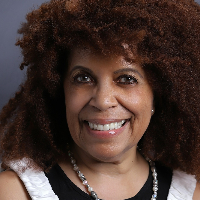
Tennessee · 15 yrs exp
Licensed Clinical Social Worker - Relationships and Intimacy
Stress, Anxiety · Relationship · Family · Self esteem · +9 more
Read profile
Oregon · 17 yrs exp
LMFT focusing on intimacy and trauma
Stress, Anxiety · Trauma and abuse · Grief · Intimacy-related issues · +1 more
Read profile
Kansas · 5 yrs exp
LCSW clinician - relationships and intimacy
Stress, Anxiety · Trauma and abuse · Anger · Self esteem · +11 more
Read profile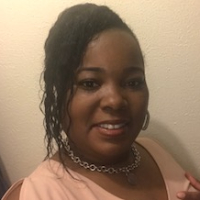
Louisiana · 10 yrs exp
Licensed Professional Counselor - Relationships and Intimacy
Stress, Anxiety · Trauma and abuse · Anger · Self esteem · +8 more
Read profile
Colorado · 13 yrs exp
LMFT - Relationships and Intimacy
Stress, Anxiety · LGBT · Relationship · Trauma and abuse · +10 more
Read profile
Texas · 12 yrs exp
Licensed Professional Counselor - Relationships and Trauma
Relationship · Trauma and abuse · Intimacy-related issues · Parenting · +1 more
Read profile
North Carolina · 20 yrs exp
Licensed counselor - Intimacy and mood concerns
Stress, Anxiety · Parenting · Self esteem · Depression · +15 more
Read profile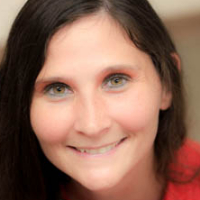
Florida · 18 yrs exp
Dr. Nicole Thweatt, LMHC - Relationships and Mood Concerns
Stress, Anxiety · Parenting · Anger · Self esteem · +13 more
Read profile
Pennsylvania · 23 yrs exp
Licensed Professional Counselor - Intimacy and Addiction
Stress, Anxiety · Addictions · Trauma and abuse · Self esteem · +12 more
Read profile
Pennsylvania · 15 yrs exp
Licensed Professional Counselor - Relationship and Intimacy concerns
Stress, Anxiety · Relationship · Self esteem · Depression · +14 more
Read profile
Texas · 19 yrs exp
LPC focusing on relationships and intimacy
Stress, Anxiety · Relationship · Family · Trauma and abuse · +12 more
Read profile
Texas · 11 yrs exp
LPC therapist - relationships and anxiety
Stress, Anxiety · Relationship · Family · Self esteem · +13 more
Read profile
California · 26 yrs exp
CA Psychologist - Relationships and Intimacy
Stress, Anxiety · Trauma and abuse · Grief · Self esteem · +13 more
Read profile
Michigan · 20 yrs exp
LMSW - Intimacy and relationship concerns
LGBT · Family · Intimacy-related issues · Parenting · +1 more
Read profile
New York · 20 yrs exp
Licensed Mental Health Counselor - Relationships and Intimacy
Stress, Anxiety · Relationship · Family · Self esteem · +15 more
Read profile
Iowa · 15 yrs exp
Licensed Mental Health Counselor - Relationship and Intimacy
Stress, Anxiety · LGBT · Relationship · Trauma and abuse · +13 more
Read profile
Missouri · 19 yrs exp
Licensed counselor - relationships and trauma
Stress, Anxiety · Relationship · Trauma and abuse · Depression · +14 more
Read profile
North Carolina · 6 yrs exp
Licensed counselor - relationships and intimacy
Stress, Anxiety · Relationship · Parenting · Self esteem · +7 more
Read profile
Michigan · 10 yrs exp
Licensed social worker - relationships and addiction
Addictions · Relationship · Trauma and abuse · Self esteem · +16 more
Read profile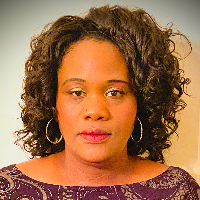
South Carolina · 9 yrs exp
Licensed professional counselor - Intimacy and relationships
Stress, Anxiety · Trauma and abuse · Grief · Depression · +16 more
Read profile
Indiana · 9 yrs exp
Licensed counselor - relationships and life transitions
Family · Grief · Anger · Self esteem · +12 more
Read profile
Texas · 5 yrs exp
Licensed Professional Counselor - Relationship and Intimacy
Stress, Anxiety · Relationship · Self esteem · Career · +11 more
Read profile
Texas · 32 yrs exp
Licensed counselor - relationships and intimacy
Stress, Anxiety · Relationship · Family · Trauma and abuse · +13 more
Read profile
Arizona · 10 yrs exp
Arizona psychologist - intimacy and relationships
Stress, Anxiety · Self esteem · Career · Coping with life changes · +14 more
Read profile
United Kingdom · 5 yrs exp
BACP counsellor - relationships and anxiety
Stress, Anxiety · Relationship · Family · Trauma and abuse · +14 more
Read profile
United Kingdom · 8 yrs exp
Counsellor - relationships and mental health
Stress, Anxiety · Relationship · Grief · Self esteem · +15 more
Read profile
United Kingdom · 8 yrs exp
Counsellor - relationships and intimacy
Stress, Anxiety · Grief · Depression · Compassion fatigue · +10 more
Read profile
United Kingdom · 5 yrs exp
Person-Centred counsellor - relationships and wellbeing
Stress, Anxiety · Relationship · Grief · Depression · +9 more
Read profile
United Kingdom · 9 yrs exp
BACP counsellor - relationships and intimacy
Stress, Anxiety · Relationship · Family · Trauma and abuse · +12 more
Read profile
United Kingdom · 10 yrs exp
BACP and NCPS counsellor - relationships and intimacy
Stress, Anxiety · Relationship · Intimacy-related issues · Eating · +13 more
Read profile
Florida · 7 yrs exp
Dr. Robin Miller, LMHC - Anxiety and Intimacy
Stress, Anxiety · Addictions · Relationship · Trauma and abuse · +15 more
Read profile
United Kingdom · 11 yrs exp
Counsellor - Relationships and Intimacy
Relationship · Trauma and abuse · Anger · Self esteem · +11 more
Read profile
United Kingdom · 9 yrs exp
BACP counsellor - relationships and intimacy
Stress, Anxiety · Relationship · Family · Trauma and abuse · +7 more
Read profile
United Kingdom · 5 yrs exp
BACP counsellor - intimacy and anxiety support
Stress, Anxiety · Trauma and abuse · Self esteem · Coping with life changes · +15 more
Read profile
United Kingdom · 7 yrs exp
BACP counsellor - relationships and intimacy
Stress, Anxiety · Relationship · Self esteem · Depression · +11 more
Read profile
United Kingdom · 3 yrs exp
BACP counsellor - relationships and intimacy
Stress, Anxiety · Relationship · Grief · Self esteem · +14 more
Read profile
United Kingdom · 21 yrs exp
BACP counsellor - relationships and intimacy
Stress, Anxiety · Relationship · Trauma and abuse · Self esteem · +10 more
Read profile
United Kingdom · 20 yrs exp
BACP counsellor - relationships and intimacy
Stress, Anxiety · Trauma and abuse · Grief · Depression · +16 more
Read profile
United Kingdom · 12 yrs exp
BACP counsellor - relationships and anxiety
Stress, Anxiety · Relationship · Trauma and abuse · Depression · +14 more
Read profile
United Kingdom · 7 yrs exp
Counsellor and psychologist - intimacy and trauma
Stress, Anxiety · Trauma and abuse · Self esteem · Depression · +13 more
Read profile
United Kingdom · 6 yrs exp
BACP counsellor - intimacy and relationship concerns
Stress, Anxiety · Family · Sleeping · Self esteem · +11 more
Read profile
United Kingdom · 5 yrs exp
BACP counsellor - intimacy and relationship concerns
Stress, Anxiety · Addictions · Relationship · Grief · +12 more
Read profile
United Kingdom · 11 yrs exp
Counsellor - Intimacy and relationships
LGBT · Trauma and abuse · Grief · Depression · +6 more
Read profile
United Kingdom · 6 yrs exp
Counsellor - relationships and intimacy
Stress, Anxiety · Relationship · Trauma and abuse · Depression · +16 more
Read profile
United Kingdom · 16 yrs exp
BACP counsellor - relationships and trauma
Relationship · Family · Trauma and abuse · Self esteem · +10 more
Read profile
United Kingdom · 6 yrs exp
Counsellor - Relationships and Intimacy
Stress, Anxiety · Relationship · Self esteem · Depression · +11 more
Read profile
Indiana · 37 yrs exp
LCSW focused on relationships and coping
Stress, Anxiety · Relationship · Trauma and abuse · Bipolar · +15 more
Read profile
United Kingdom · 5 yrs exp
BACP counsellor - intimacy and relationship concerns
Stress, Anxiety · Self esteem · Depression · Coping with life changes · +11 more
Read profile
Mississippi · 15 yrs exp
LCSW - Intimacy and Relationship Concerns
Stress, Anxiety · Trauma and abuse · Grief · Self esteem · +12 more
Read profilePregnancy is a time of rapid change that can touch many areas of your emotional life. You might notice shifts in desire, emotional distance, trust, or how vulnerability and affection are shared between you and a partner. Some people come searching because they feel less emotionally close; others want to prepare for the changes ahead or to surface fears about becoming a parent. If physical symptoms arise that are medical in nature, consult a doctor or midwife for assessment and guidance before or alongside conversations about emotional well-being.
When you look for support in this area, think about what feels most pressing right now. Are you trying to restore a sense of warmth and connection with a partner, to cope with worry about the future, or to understand how your changing body affects your sense of self? The way you answer those questions will shape the kinds of profiles you compare and the questions you bring to an initial conversation.
Pregnancy and relationship closeness often intersect without a single cause linking them. Bodily changes, sleep disruption, shifting roles, and the emotional work of anticipating a new family member can all play a part in how you experience intimacy. Some people find that closeness deepens, while others experience new friction or distance. This page groups professionals who list both Pregnancy and intimacy-related topics so you can consider clinicians who state those areas as part of their focus.
Remember that a listed topic on a profile is not evidence of specialist certification, a particular therapy method, or outcomes. Profiles reflect the areas therapists say they work with and the approaches they list. If you want clarity about a therapist's scope, whether they work with individuals, couples, or families, or how they address sexual concerns versus general relationship issues, plan to ask those questions directly when you contact them.
As you compare profiles, prepare concrete questions that help you understand how a therapist might work with your concerns. You might ask how they frame conversations about desire, affection, or trust during pregnancy, and whether they use particular strategies or frameworks you are curious about. If you see a therapy approach listed, such as EMDR, mindfulness-based work, or emotion-focused perspectives, a neutral way to inquire is to ask whether the therapist lists that approach among their options and how they decide which approach to use with a given person.
It is also important to ask about professional credentials and what those credentials mean in context. In the United States, a license such as a licensed clinical social worker or licensed psychologist indicates permission to practice within a state. In the United Kingdom and Australia, practitioners often list registration with or membership of a professional body. Academic degrees - PhD, PsyD, MD, MA, MSW - are distinct from licenses or registrations and do not alone demonstrate current permission to practice. Ask therapists about their clinical experience with pregnancy-related intimacy issues and whether they typically work with individuals, couples, or families so you can match scope to need.
If you plan to meet with a therapist remotely, address practical matters before beginning. Discuss the technology platform they use and whether they are comfortable working with you via video or phone given your circumstances. Ask how they structure sessions when addressing intimacy and closeness, and whether they suggest particular exercises or reflective work between meetings. If you will be in a shared living space, consider arranging a private space for sessions so you can speak freely and focus.
Clarify boundaries around emergencies and how to get local help if a physical health concern or an urgent mental health risk arises. A therapist is not a substitute for medical care, so plan to contact a medical professional for symptoms that are physical. You might also ask about language options and whether the therapist offers materials or sessions in a language you prefer. These practical conversations will help set expectations about communication, record keeping, and what it will look like to work together.
When you examine profiles, weigh several dimensions to judge fit. Focus areas tell you the topics a therapist commonly addresses - for example, intimacy challenges, pregnancy, transition to parenthood, or anxiety related to reproductive health. Look for profiles that name the particular concerns you want to explore. If language matters to you, search for profiles that list the languages they use in sessions and read any descriptions of cultural experience or population focus to see whether the therapist highlights work with similar backgrounds.
Consider credentials with an eye toward transparency. Profiles may show academic degrees like MSW, MA, PhD, PsyD, or MD alongside mentions of professional licenses or memberships in national bodies. In the United States, ask whether a license is held and in which state. In the United Kingdom and Australia, look for registration or membership statements and ask what those mean for practice and accountability. Approach descriptions shed light on how a therapist tends to work. You might prefer someone who emphasizes emotion-focused conversations, practical skills for communication, body-aware approaches, or exploration of patterns from earlier relationships. Rather than assuming any single approach is used by every clinician listed, ask how and when an approach would be considered in your work together.
Finally, read profile language to get a sense of therapeutic style. Some therapists write in a direct, educational tone, while others emphasize reflective, exploratory conversation. Pay attention to how they describe their orientation toward partnerships, attachment, and the kinds of changes people often face in pregnancy. If a profile mentions working with partners or family members, ask directly whether a partner session is recommended or required - participation by a partner is never assumed to be mandatory. Use the listed location and profile details to shortlist professionals whose stated focus, communication style, and credentials align with what you feel will support your goals.
Use the profiles on this page to form a short list of clinicians who sound like they may match your needs. Prepare the specific questions that matter to you, reach out through the contact options on a profile, and discuss scope, approach, and any practical concerns before beginning sessions. Taking the time to compare focus areas, languages, credentials, and style will help you choose a professional whose profile aligns with the kind of intimacy and closeness work you want to undertake during pregnancy.
Alabama
66 therapists
Alaska
10 therapists
Arizona
62 therapists
Arkansas
26 therapists
Australia
68 therapists
California
338 therapists
Colorado
108 therapists
Connecticut
39 therapists
Delaware
15 therapists
District of Columbia
15 therapists
Florida
500 therapists
Georgia
171 therapists
Hawaii
23 therapists
Idaho
20 therapists
Illinois
160 therapists
Indiana
81 therapists
Iowa
23 therapists
Kansas
37 therapists
Kentucky
55 therapists
Louisiana
115 therapists
Maine
15 therapists
Maryland
72 therapists
Massachusetts
51 therapists
Michigan
156 therapists
Minnesota
62 therapists
Mississippi
43 therapists
Missouri
149 therapists
Montana
24 therapists
Nebraska
27 therapists
Nevada
28 therapists
New Hampshire
18 therapists
New Jersey
120 therapists
New Mexico
28 therapists
New York
240 therapists
North Carolina
195 therapists
North Dakota
5 therapists
Ohio
112 therapists
Oklahoma
86 therapists
Oregon
33 therapists
Pennsylvania
158 therapists
Rhode Island
10 therapists
South Carolina
98 therapists
South Dakota
11 therapists
Tennessee
76 therapists
Texas
512 therapists
United Kingdom
1151 therapists
Utah
42 therapists
Vermont
9 therapists
Virginia
87 therapists
Washington
64 therapists
West Virginia
15 therapists
Wisconsin
68 therapists
Wyoming
13 therapists