
Brittany Elledge
LPCC, LMHCPennsylvania · 12 yrs exp
Licensed counselor - relationships and anxiety
Stress, Anxiety · Relationship · Self esteem · Depression · +11 more
Read profileTherapist listings are provided by BetterHelp. We will earn a commission at no additional cost to you if you use our links to purchase.
Use this Pennsylvania listing to compare therapists who list intimacy and closeness in relationships by focus areas, approaches, languages and credentials. Check each profile and confirm the therapist's permission to work with you where you live, then browse profiles to learn more.
Pennsylvania · 12 yrs exp
Licensed counselor - relationships and anxiety
Stress, Anxiety · Relationship · Self esteem · Depression · +11 more
Read profile
Pennsylvania · 16 yrs exp
Licensed Counselor - Relationships and Intimacy
Stress, Anxiety · Relationship · Family · Trauma and abuse · +11 more
Read profile
Pennsylvania · 12 yrs exp
Licensed Professional Counselor - relationships and intimacy
Stress, Anxiety · LGBT · Relationship · Self esteem · +8 more
Read profile
Pennsylvania · 23 yrs exp
Licensed Professional Counselor - Intimacy and Addiction
Stress, Anxiety · Addictions · Trauma and abuse · Self esteem · +12 more
Read profile
Pennsylvania · 15 yrs exp
Licensed Professional Counselor - Relationship and Intimacy concerns
Stress, Anxiety · Relationship · Self esteem · Depression · +14 more
Read profile
Pennsylvania · 11 yrs exp
Rev. Michael Abell - LPC, relationships and life changes
Stress, Anxiety · Relationship · Family · Parenting · +9 more
Read profile
Pennsylvania · 10 yrs exp
Licensed Professional Counselor - Intimacy and Anxiety
Stress, Anxiety · Addictions · Trauma and abuse · Anger · +15 more
Read profile
Pennsylvania · 20 yrs exp
Licensed Professional Counselor - relationships and intimacy
Stress, Anxiety · Self esteem · Addictions · LGBT · +8 more
Read profile
Pennsylvania · 15 yrs exp
Licensed Professional Counselor - relationships and grief
Grief · Self esteem · Stress, Anxiety · Relationship · +8 more
Read profile
Pennsylvania · 13 yrs exp
Licensed Professional Counselor - Intimacy and trauma
Stress, Anxiety · Trauma and abuse · Intimacy-related issues · Anger · +1 more
Read profile
Pennsylvania · 30 yrs exp
Licensed Professional Counselor - Relationships and Intimacy
Stress, Anxiety · Relationship · Parenting · Career · +10 more
Read profile
Pennsylvania · 5 yrs exp
Licensed Professional Counselor - Intimacy and trauma
Trauma and abuse · Intimacy-related issues · Bipolar · Coping with life changes
Read profile
Pennsylvania · 25 yrs exp
LPC in Pennsylvania - relationships and intimacy
Stress, Anxiety · Relationship · Trauma and abuse · Intimacy-related issues · +12 more
Read profile
Pennsylvania · 22 yrs exp
Licensed Marriage and Family Therapist - Relationships and Trauma
Relationship · Family · Trauma and abuse · Parenting · +8 more
Read profile
Pennsylvania · 15 yrs exp
Licensed Professional Counselor - Intimacy and Relationships
Stress, Anxiety · Addictions · Relationship · Family · +9 more
Read profile
Pennsylvania · 14 yrs exp
Licensed Professional Counselor - Relationships and Career
Stress, Anxiety · Relationship · Career · Depression · +9 more
Read profile
Pennsylvania · 15 yrs exp
Licensed Professional Counselor - Relationships and Addictions
Stress, Anxiety · Addictions · Trauma and abuse · Eating · +13 more
Read profile
Pennsylvania · 32 yrs exp
Licensed Clinical Social Worker - Relationships and Intimacy
Stress, Anxiety · Addictions · Grief · Depression · +11 more
Read profile
Pennsylvania · 23 yrs exp
Licensed Professional Counselor - Relationships and Intimacy
Stress, Anxiety · Relationship · Parenting · Self esteem · +8 more
Read profile
Pennsylvania · 13 yrs exp
Licensed Professional Counselor - Relationships and Intimacy
Stress, Anxiety · Relationship · Grief · Self esteem · +14 more
Read profile
Pennsylvania · 12 yrs exp
Licensed counselor - relationships and anxiety
Stress, Anxiety · Relationship · Family · Intimacy-related issues · +4 more
Read profile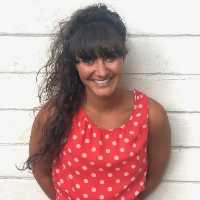
Pennsylvania · 7 yrs exp
Licensed counselor - Intimacy and mood concerns
Stress, Anxiety · Addictions · Trauma and abuse · Bipolar · +13 more
Read profile
Pennsylvania · 20 yrs exp
Licensed Clinical Social Worker - Addiction and Intimacy concerns
Stress, Anxiety · Addictions · Anger · Self esteem · +16 more
Read profile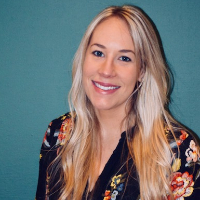
Pennsylvania · 10 yrs exp
Licensed Professional Counselor - Relationships and Addictions
Stress, Anxiety · Addictions · Relationship · Self esteem · +15 more
Read profile
Pennsylvania · 16 yrs exp
LMFT - Relationships and Intimacy
Relationship · Family · Trauma and abuse · Parenting · +13 more
Read profile
Pennsylvania · 10 yrs exp
Licensed Professional Counselor - Relationships and Anxiety
Stress, Anxiety · Relationship · Sleeping · Depression · +15 more
Read profile
Pennsylvania · 4 yrs exp
Licensed Professional Counselor - relationships and intimacy
Stress, Anxiety · Relationship · Trauma and abuse · Grief · +11 more
Read profile
Pennsylvania · 5 yrs exp
Licensed Professional Counselor - Relationships and Intimacy
Relationship · Trauma and abuse · Self esteem · Depression · +14 more
Read profile
Pennsylvania · 20 yrs exp
PA Psychologist - Stress and Relationships
Stress, Anxiety · Relationship · Family · Coping with life changes · +10 more
Read profile
Pennsylvania · 3 yrs exp
Licensed Professional Counselor - relationships and intimacy
Stress, Anxiety · LGBT · Relationship · Trauma and abuse · +9 more
Read profile
Pennsylvania · 13 yrs exp
Licensed Professional Counselor - Intimacy and Addiction
Stress, Anxiety · Addictions · Trauma and abuse · Self esteem · +11 more
Read profile
Pennsylvania · 9 yrs exp
Licensed Professional Counselor - Intimacy and Relationships
Stress, Anxiety · Addictions · Depression · Coping with life changes · +14 more
Read profile
Pennsylvania · 10 yrs exp
Licensed counselor - relationships and anxiety
Stress, Anxiety · Relationship · Grief · Self esteem · +8 more
Read profile
Pennsylvania · 22 yrs exp
LCSW - Relationships and Intimacy
Stress, Anxiety · Relationship · Family · Trauma and abuse · +15 more
Read profile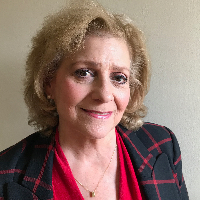
Pennsylvania · 21 yrs exp
Licensed Professional Counselor - Relationships and Intimacy
Stress, Anxiety · Relationship · Family · Self esteem · +12 more
Read profile
Pennsylvania · 35 yrs exp
Licensed Professional Counselor - Intimacy and Relationships
Stress, Anxiety · Self esteem · Career · Depression · +10 more
Read profile
Pennsylvania · 11 yrs exp
Licensed clinical social worker - relationship and intimacy concerns
Stress, Anxiety · Relationship · Trauma and abuse · Depression · +11 more
Read profile
Pennsylvania · 5 yrs exp
Licensed Professional Counselor - Relationships and Mood
Relationship · Family · Depression · Coping with life changes · +12 more
Read profile
Pennsylvania · 6 yrs exp
LPC - Relationships and Intimacy
Relationship · Family · Intimacy-related issues · Coping with life changes · +13 more
Read profile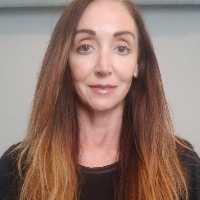
Pennsylvania · 13 yrs exp
Licensed counselor - relationships and life changes
Stress, Anxiety · Family · Parenting · Self esteem · +14 more
Read profile
Pennsylvania · 27 yrs exp
Licensed Clinical Social Worker - Intimacy and Relationship Concerns
Stress, Anxiety · Self esteem · Career · Coaching · +16 more
Read profile
Pennsylvania · 23 yrs exp
Licensed Professional Counselor - Intimacy and Relationships
Stress, Anxiety · Anger · Self esteem · Depression · +15 more
Read profile
Pennsylvania · 8 yrs exp
Licensed Professional Counselor - Relationships and Trauma
Stress, Anxiety · Relationship · Family · Trauma and abuse · +8 more
Read profile
Pennsylvania · 10 yrs exp
Licensed counselor - relationships and mood
Stress, Anxiety · Self esteem · Bipolar · Depression · +9 more
Read profile
Pennsylvania · 3 yrs exp
Licensed Professional Counselor - Relationships and Intimacy
Stress, Anxiety · Relationship · Family · Self esteem · +11 more
Read profile
Pennsylvania · 35 yrs exp
Pennsylvania psychologist - relationships and intimacy
Stress, Anxiety · Relationship · Grief · Parenting · +6 more
Read profile
Pennsylvania · 13 yrs exp
Licensed Professional Counselor - Intimacy and Relationships
Stress, Anxiety · Trauma and abuse · Grief · Parenting · +12 more
Read profile
Pennsylvania · 18 yrs exp
Licensed Professional Counselor - Relationship and Intimacy concerns
Stress, Anxiety · Addictions · Family · Self esteem · +13 more
Read profile
Pennsylvania · 10 yrs exp
Licensed Professional Counselor - relationships and mental health
Stress, Anxiety · LGBT · Relationship · Trauma and abuse · +9 more
Read profile
Pennsylvania · 24 yrs exp
Licensed Professional Counselor - Relationships and Trauma
Relationship · Family · Trauma and abuse · Stress, Anxiety · +5 more
Read profile
Pennsylvania · 20 yrs exp
Dr. David Yudis - Psychologist, relationships and life concerns
Stress, Anxiety · Relationship · Self esteem · Career · +7 more
Read profile
Pennsylvania · 10 yrs exp
Licensed counselor - Relationships and trauma
Anger · Relationship · Family · Trauma and abuse · +5 more
Read profile
Pennsylvania · 24 yrs exp
LPC in Pennsylvania - trauma and relationship work
Stress, Anxiety · Relationship · Trauma and abuse · Depression · +15 more
Read profile
Pennsylvania · 12 yrs exp
Licensed Professional Counselor - Relationships and Intimacy
Stress, Anxiety · Family · Grief · Parenting · +11 more
Read profile
Pennsylvania · 30 yrs exp
Licensed Professional Counselor - Intimacy and Anxiety
Stress, Anxiety · Addictions · Career · Depression · +16 more
Read profile
Pennsylvania · 30 yrs exp
Licensed Professional Counselor - Relationships and Intimacy
Stress, Anxiety · Addictions · Grief · Self esteem · +7 more
Read profile
Pennsylvania · 20 yrs exp
Licensed Professional Counselor - Relationships and Addictions
Addictions · Relationship · Family · Parenting · +6 more
Read profile
Pennsylvania · 17 yrs exp
Licensed Professional Counselor - relationships and mood
Stress, Anxiety · Self esteem · Depression · Compassion fatigue · +9 more
Read profile
Pennsylvania · 20 yrs exp
Licensed Professional Counselor - Relationships and Intimacy
Stress, Anxiety · Family · Trauma and abuse · Parenting · +14 more
Read profile
Pennsylvania · 7 yrs exp
Licensed Clinical Social Worker - Relationships and Stress
Stress, Anxiety · Relationship · Family · Parenting · +10 more
Read profileWhen intimacy feels strained you may notice recurring patterns - avoidance, difficulty sharing vulnerability, mismatched desire, or trouble trusting a partner after breaches like secrecy or infidelity. You might be focused on recovering affection and physical closeness, on managing anxiety that interferes with desire, or on understanding how past experience shapes your ability to be open with someone now. Those are common reasons people search for a therapist who lists intimacy among their focus areas. A specialty listing means a therapist indicates interest or experience in that topic, not that they offer a particular certification or that sessions must include a partner. You should expect to talk directly with any therapist whose profile interests you about whether they work with individuals, partners, or families and about the specific types of intimacy concerns they handle.
If your concern involves pain or a medical symptom that affects sexual function, including sudden changes in arousal, pain during intimacy, or other bodily issues, it is appropriate to consult a medical doctor or a sexual health specialist. Therapists can often coordinate with medical providers, but a physical exam or medical testing may be needed first. When you reach out to someone listed for Pennsylvania, be sure to ask about their experience with the specific intimacy issues you are facing and whether they can work with those concerns in the setting you need.
The listed location groups profiles under Pennsylvania, but it does not prove an office address or ongoing permission to practice there. Profiles may indicate a city or state, or they may reflect where a therapist is based for billing or licensing purposes. You should use each profile as a starting point and confirm directly whether the therapist can legally and practically work with you in your area. In the United States, many clinicians note state licenses that permit clinical practice, while in the United Kingdom and Australia professionals may report registration or membership in professional bodies. Academic degrees such as PhD, PsyD, MD, MA or MSW are important credentials that describe a clinician's training, but a degree alone does not establish current permission to provide care in a given jurisdiction. Profiles may show both degrees and licensing or registration details, and you should treat them as separate pieces of information to verify when you contact a clinician.
Because the directory includes clinicians from different countries, you may see varying terminology for permission to practice. Ask the person on their profile to explain what their degree and any professional registration mean in terms of where they can work with you. If you rely on a particular format - in-person, video, or a hybrid - confirm that the listed location aligns with the legal and practical arrangements needed for that format.
When you review profiles, consider specific, concrete questions that will help you compare how therapists describe their work. You can ask a prospective clinician which intimacy issues they most often address, for example whether they have handled emotional withdrawal, desire discrepancy, after-effects of betrayal, or problems with affection and touch. Ask whether they typically work with individuals, with partners together, or with families, and whether their profile reflects experience with the particular population you identify with, such as older adults, younger adults, or people of particular gender or sexual identities. You should also ask about their therapeutic style - whether they describe themselves as more exploratory and insight-oriented, more skills-focused, or more experiential - so you understand how sessions might feel.
Because profiles sometimes list therapeutic approaches, ask what those labels mean in practice for your sessions. You might find clinicians who list emotion-focused work, psychodynamic approaches, somatic methods, mindfulness-based strategies, or who list EMDR among their approaches. It is appropriate to ask a clinician to explain the kinds of interventions they typically use and how those relate to your goals. Remember that a listing of an approach does not prove training or certification in it; instead focus on the clinician's explanation of how they apply those ideas and ask for examples of how they have helped people address similar intimacy concerns.
If you are considering online or remote sessions, there are several practical issues to cover with a clinician whose profile interests you. First, confirm that they have permission to provide care to people in your state or country and that their profile reflects the listed location relevant to your situation. Ask about time zone considerations, how they schedule sessions, and what communication channels they use for appointment-setting and follow-up. Discuss privacy and data handling so you understand how records and notes are stored and what measures are in place for electronic communication. When you plan to speak about intimacy at home, consider whether you can find a quiet, personal space where you can speak freely and how you will manage interruptions.
It is also wise to ask how the clinician handles cases where medical or legal concerns arise. For example, if you describe pain during intimacy or other physical symptoms, ask whether they will suggest a medical evaluation and how they coordinate with physicians. You may want to know how they respond if you experience severe distress between sessions and what local emergency resources they recommend. All of these topics are appropriate to clarify before you begin so you know how they approach boundaries, follow-up, and collaboration with other professionals.
Comparing profiles means looking beyond a headline that lists intimacy as a specialty and reading what each clinician emphasizes. Start by noting the focus areas they name - emotional distance, trust rebuilding, sexual wellness, desire discrepancy, and vulnerability are all distinct themes that require different conversational angles. Look for language skills that matter to you; a therapist who lists additional languages can make it easier to express nuance in emotionally charged conversations. Consider academic degrees separately from professional permission and registrations, and weigh both when assessing a clinician's background.
Think about the tone each profile conveys. Some clinicians describe a directive, skills-based approach that teaches exercises and communication practices, while others frame their work around exploring underlying patterns and emotions. You can ask for examples of typical session topics and how progress is tracked for intimacy-related goals. Compare the populations they mention and whether they note work with individuals, couples, or families. Finally, confirm practical items such as whether their listed location aligns with where you need care and whether they have the experience you want for the particular intimacy concern you face. Once you have a short list, reach out through the contact method in each profile to ask your most important questions and to learn whether a given clinician's style and scope match your needs.
When you are ready, use the Pennsylvania profiles on this site as a way to identify clinicians to contact. Each profile is a starting point for a conversation that will help you decide if a particular therapist's experience, language abilities, focus areas, and professional credentials fit the support you are seeking. Confirm practical permissions and ask the direct questions suggested above so you can make an informed choice about whom to talk with about intimacy and closeness in your relationships.
Chronic Illness
862 therapists
Control Issues
2509 therapists
Depression
5256 therapists
Domestic Violence
1664 therapists
Guilt and Shame
3566 therapists
Intimacy Issues
5708 therapists
Isolation / Loneliness
3185 therapists
Midlife Crisis
2067 therapists
Post-Traumatic Stress
2880 therapists
Postpartum Depression
1331 therapists
Self Esteem
5305 therapists
Social Anxiety and Phobia
3068 therapists
Stress & Anxiety
5481 therapists
Trauma and Abuse
4940 therapists
Abandonment
2380 therapists
Attachment Issues
2681 therapists
Blended Family Issues
1852 therapists
Body Image
1859 therapists
Codependency
2323 therapists
Commitment Issues
2011 therapists
Communication Problems
3781 therapists
Coping with Life Changes
5091 therapists
Divorce
2838 therapists
Family of Origin Issues
1731 therapists
Fertility Issues
611 therapists
Forgiveness
3155 therapists
Infidelity
2056 therapists
Jealousy
1853 therapists
Non-Monogamous Relationships
938 therapists
Physical Intimacy Concerns
563 therapists
Pregnancy
1090 therapists
Relationship
5462 therapists
Self-Love
3600 therapists