
Stacey Sugar
LCPC, LPCCCalifornia · 14 yrs exp
Licensed counselor - relationships and intimacy
Stress, Anxiety · Relationship · Family · Intimacy-related issues · +9 more
Read profileTherapist listings are provided by BetterHelp. We will earn a commission at no additional cost to you if you use our links to purchase.
Use this page to compare profiles of therapists who list Attachment Issues and related intimacy concerns. Browse listed location, focus areas, approaches, languages, and credentials to help you identify profiles to explore further.
California · 14 yrs exp
Licensed counselor - relationships and intimacy
Stress, Anxiety · Relationship · Family · Intimacy-related issues · +9 more
Read profile
Texas · 13 yrs exp
LCSW - Relationships and Intimacy
Stress, Anxiety · Relationship · Trauma and abuse · Anger · +11 more
Read profile
Texas · 25 yrs exp
Licensed Professional Counselor - Relationships and Intimacy
Stress, Anxiety · Relationship · Parenting · Anger · +8 more
Read profile
New Jersey · 15 yrs exp
Licensed Clinical Social Worker - Intimacy and Relationships
Stress, Anxiety · Family · Trauma and abuse · Parenting · +10 more
Read profile
South Carolina · 25 yrs exp
Licensed Professional Counselor - Relationships and Intimacy
Relationship · Family · Intimacy-related issues · Parenting · +7 more
Read profile
Kentucky · 18 yrs exp
Licensed Marriage and Family Therapist - Relationships and Intimacy
LGBT · Relationship · Family · Self esteem · +14 more
Read profile
Florida · 10 yrs exp
Licensed counselor - Relationships and Intimacy
Stress, Anxiety · Addictions · Anger · Depression · +12 more
Read profile
Florida · 25 yrs exp
Licensed Mental Health Counselor - Relationships and Trauma
Relationship · Trauma and abuse · Grief · Anger · +12 more
Read profile
Florida · 7 yrs exp
Licensed counselor - relationships and addiction
Addictions · Relationship · Family · Trauma and abuse · +13 more
Read profile
New York · 5 yrs exp
Licensed Mental Health Counselor - Relationships and Intimacy
Stress, Anxiety · LGBT · Trauma and abuse · Bipolar · +12 more
Read profile
Michigan · 5 yrs exp
Licensed Professional Counselor - Relationships and Intimacy
Stress, Anxiety · Relationship · Family · Self esteem · +12 more
Read profile
Rhode Island · 18 yrs exp
LMHC - Anxiety and Relationship concerns
Stress, Anxiety · Relationship · Trauma and abuse · Grief · +12 more
Read profile
Pennsylvania · 12 yrs exp
Licensed counselor - relationships and anxiety
Stress, Anxiety · Relationship · Self esteem · Depression · +11 more
Read profile
North Carolina · 10 yrs exp
Licensed clinical social worker - relationships and anxiety
Stress, Anxiety · Relationship · Family · Bipolar · +16 more
Read profile
Florida · 17 yrs exp
Licensed mental health counselor - Relationships and intimacy
Stress, Anxiety · Addictions · Relationship · Family · +14 more
Read profile
Louisiana · 10 yrs exp
Licensed Professional Counselor - Relationships and Intimacy
Stress, Anxiety · Relationship · Family · Depression · +12 more
Read profile
Minnesota · 23 yrs exp
Licensed marriage and family therapist - Relationships and Intimacy
Stress, Anxiety · Relationship · Trauma and abuse · Self esteem · +13 more
Read profile
Florida · 30 yrs exp
Dr. Robert Nolan, LMHC - Mood and relationship concerns
Stress, Anxiety · Trauma and abuse · Bipolar · Depression · +16 more
Read profile
Louisiana · 22 yrs exp
Licensed counselor and marriage therapist - relationships and mood
Stress, Anxiety · Relationship · Family · Grief · +11 more
Read profile
North Carolina · 10 yrs exp
Licensed counselor - Relationships and stress
Stress, Anxiety · Relationship · Family · Trauma and abuse · +12 more
Read profile
Colorado · 11 yrs exp
Licensed Professional Counselor - intimacy and relationships
Stress, Anxiety · LGBT · Trauma and abuse · Anger · +15 more
Read profile
Texas · 22 yrs exp
Dr. Ngozi Okose - LPC, relationships and intimacy
Stress, Anxiety · Relationship · Trauma and abuse · Depression · +16 more
Read profile
Kentucky · 11 yrs exp
Licensed Marriage and Family Therapist - Relationships and Intimacy
Stress, Anxiety · Relationship · Family · Self esteem · +9 more
Read profile
Georgia · 19 yrs exp
Licensed Professional Counselor - Relationships and Intimacy
Stress, Anxiety · Addictions · Trauma and abuse · Self esteem · +11 more
Read profile
Florida · 10 yrs exp
Licensed Mental Health Counselor - Relationships and Intimacy
Stress, Anxiety · Family · Parenting · Self esteem · +10 more
Read profile
Alabama · 15 yrs exp
Licensed Professional Counselor - Intimacy and emotional health
Stress, Anxiety · Addictions · Relationship · Family · +12 more
Read profile
Virginia · 14 yrs exp
Licensed Professional Counselor - Trauma and Relationships
Trauma and abuse · Grief · Coping with life changes · Compassion fatigue · +12 more
Read profile
Florida · 20 yrs exp
Licensed counselor - relationships and addictions
Stress, Anxiety · Addictions · Relationship · Trauma and abuse · +15 more
Read profile
Texas · 33 yrs exp
Licensed Clinical Social Worker - Relationships and Intimacy
Stress, Anxiety · Relationship · Family · Self esteem · +11 more
Read profile
Arkansas · 23 yrs exp
Licensed Professional Counselor - Intimacy and Relationships
Stress, Anxiety · Trauma and abuse · Anger · Self esteem · +11 more
Read profile
Colorado · 5 yrs exp
LCSW in Colorado - Relationships and Intimacy
Stress, Anxiety · Relationship · Family · Trauma and abuse · +10 more
Read profile
Virginia · 13 yrs exp
Licensed Professional Counselor - Intimacy and Relationship Concerns
Stress, Anxiety · Anger · Self esteem · Depression · +9 more
Read profile
Louisiana · 10 yrs exp
Licensed Professional Counselor - Relationships and Stress
Stress, Anxiety · Trauma and abuse · Anger · Self esteem · +12 more
Read profile
Oklahoma · 8 yrs exp
Licensed Professional Counselor - Relationships and Intimacy
Stress, Anxiety · Addictions · Self esteem · Depression · +11 more
Read profile
Michigan · 16 yrs exp
Licensed counselor - relationships and addiction
Stress, Anxiety · Addictions · Relationship · Parenting · +8 more
Read profile
Florida · 28 yrs exp
LCSW - Mood and intimacy concerns
Addictions · Trauma and abuse · Parenting · Bipolar · +15 more
Read profile
Florida · 20 yrs exp
LCSW focusing on intimacy and trauma
Stress, Anxiety · Addictions · Trauma and abuse · Grief · +14 more
Read profile
Georgia · 7 yrs exp
Licensed Marriage and Family Therapist - Relationships and Intimacy
Stress, Anxiety · Relationship · Intimacy-related issues · Anger · +11 more
Read profile
Oregon · 17 yrs exp
LMFT focusing on intimacy and trauma
Stress, Anxiety · Trauma and abuse · Grief · Intimacy-related issues · +1 more
Read profile
Oklahoma · 20 yrs exp
Licensed Professional Counselor - Intimacy and Trauma
Stress, Anxiety · Addictions · Trauma and abuse · Anger · +8 more
Read profile
Kansas · 5 yrs exp
LCSW clinician - relationships and intimacy
Stress, Anxiety · Trauma and abuse · Anger · Self esteem · +11 more
Read profile
Louisiana · 12 yrs exp
Licensed Professional Counselor - Relationships and Intimacy
Relationship · Parenting · Anger · Self esteem · +14 more
Read profile
Colorado · 13 yrs exp
LMFT - Relationships and Intimacy
Stress, Anxiety · LGBT · Relationship · Trauma and abuse · +10 more
Read profile
Texas · 11 yrs exp
Licensed Clinical Social Worker - Relationships and Intimacy
Stress, Anxiety · Relationship · Trauma and abuse · Self esteem · +5 more
Read profile
Texas · 5 yrs exp
LCSW counselor - intimacy and mood concerns
Self esteem · Career · Bipolar · Depression · +8 more
Read profile
Florida · 18 yrs exp
Dr. Nicole Thweatt, LMHC - Relationships and Mood Concerns
Stress, Anxiety · Parenting · Anger · Self esteem · +13 more
Read profile
Missouri · 23 yrs exp
Licensed Professional Counselor - Relationships and Intimacy
Stress, Anxiety · Relationship · Trauma and abuse · Depression · +9 more
Read profile
Pennsylvania · 23 yrs exp
Licensed Professional Counselor - Intimacy and Addiction
Stress, Anxiety · Addictions · Trauma and abuse · Self esteem · +12 more
Read profile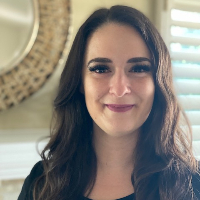
California · 6 yrs exp
Licensed MFT - Relationships and Intimacy
Stress, Anxiety · Addictions · Relationship · Depression · +10 more
Read profile
Pennsylvania · 15 yrs exp
Licensed Professional Counselor - Relationship and Intimacy concerns
Stress, Anxiety · Relationship · Self esteem · Depression · +14 more
Read profile
Texas · 19 yrs exp
LPC focusing on relationships and intimacy
Stress, Anxiety · Relationship · Family · Trauma and abuse · +12 more
Read profile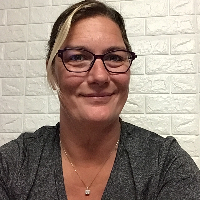
Indiana · 11 yrs exp
LMHC - Intimacy and Relationship Concerns
Stress, Anxiety · Addictions · Trauma and abuse · Parenting · +14 more
Read profile
Alabama · 12 yrs exp
Licensed Professional Counselor - Relationships and Intimacy
Stress, Anxiety · Family · Anger · Self esteem · +13 more
Read profile
Illinois · 34 yrs exp
Illinois LCPC - Relationships and Intimacy
Stress, Anxiety · Relationship · Grief · Self esteem · +11 more
Read profile
Texas · 17 yrs exp
Dr. Dora Whiteside - LPC Texas, mood and intimacy concerns
Stress, Anxiety · Addictions · Self esteem · Bipolar · +15 more
Read profile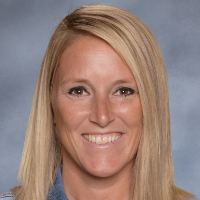
Missouri · 13 yrs exp
Licensed Professional Counselor - Intimacy and Mood
Stress, Anxiety · Trauma and abuse · Self esteem · Bipolar · +11 more
Read profile
Illinois · 9 yrs exp
Illinois LCPC - Intimacy and relationships
Stress, Anxiety · LGBT · Grief · Self esteem · +9 more
Read profile
Illinois · 3 yrs exp
LCSW focused on relationships and mental health
Stress, Anxiety · Addictions · LGBT · Relationship · +10 more
Read profile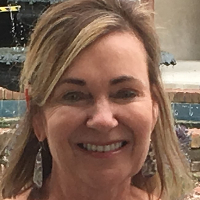
Kentucky · 15 yrs exp
Licensed Clinical Social Worker - relationships and mood
Stress, Anxiety · Relationship · Parenting · Anger · +13 more
Read profile
Florida · 20 yrs exp
LCSW focusing on relationships and mental health
Stress, Anxiety · Relationship · Family · Trauma and abuse · +16 more
Read profileIf experiences of emotional distance, difficulty trusting, guardedness around vulnerability, or trouble showing or receiving affection are affecting your relationships, you are not alone in looking for help. You may notice familiar patterns in how you relate to partners, friends, or family - patterns that influence how easily you feel close or how quickly you withdraw. Attachment-related concerns often show up as recurring emotional reactions to perceived rejection, anxiety about abandonment, or a tendency to keep an emotional distance to avoid being hurt. These experiences can feel overwhelming and may interfere with the type of intimacy and connection you want.
When you review profiles, pay attention to how clinicians describe their focus on attachment, closeness, or relational patterns. A listed interest in Attachment Issues signals that a therapist considers this area part of their work, but it does not indicate specific training or certification. If you have physical symptoms related to sexual function, pain, or other bodily concerns, you should consult a medical doctor in addition to discussing these topics with a therapist. Choosing a profile to explore is a first step toward having a more detailed conversation about how attachment patterns are showing up in your life.
This directory groups clinicians who mention intimacy and closeness among their specialties, including those who also list Attachment Issues. That connection reflects overlap in subject matter rather than a single cause-and-effect relationship. Attachment patterns form early and can influence adult relationships, but they interact with personality, life stress, past events, and current circumstances. Some people find that working directly on attachment dynamics helps them experience more trust and closeness. Others focus on communication skills, grief, trauma, life transitions, or sexual health as routes to greater intimacy. Therapists who list Attachment Issues may work with a range of related themes depending on their approach and the populations they describe.
As you read profiles, recognize that a listed specialty is a starting point for conversation. The directory includes professionals from the United States, the United Kingdom, and Australia. In the United States you will often see references to state licensure. In the UK and Australia you may see registration, membership in professional bodies, or other indicators of practice status. Academic degrees such as PhD, PsyD, MD, MA, or MSW reflect educational background and are not the same as a license, registration, or membership that permits clinical practice. Profiles are a way to compare focus areas and to decide whom you might contact to learn more about their approach to intimacy and attachment.
When you find a profile that seems relevant, prepare questions that go beyond labels and ask for specifics about how a therapist approaches attachment and intimacy. You might ask how they typically describe attachment in adult relationships and what patterns they notice with anxious, avoidant, or disorganized dynamics. Ask whether they have experience working with people who share your identity, relationship structure, cultural background, or language needs. Concrete questions can include asking what a typical session addresses when someone comes with attachment-related concerns, how they help clients notice and shift relational patterns, and whether they work with individuals, couples, or families - noting that a listed topic does not establish that a therapist treats children, couples, or families. If a profile mentions particular techniques or schools of thought, frame questions to reflect that phrasing - for example, ask about working with therapists who list attachment-focused, emotion-focused, trauma-informed, or somatic approaches among their approaches rather than assuming any specific training.
Also ask about the therapist's professional credentials and how those credentials align with practice in your location. In the US you can ask which state license they hold and what that license authorizes. In the UK or Australia ask about registration, membership, or professional association status relevant to your region. Remember that a degree such as a PhD or MSW indicates academic training but does not by itself confirm current permission to practice. Clarifying these distinctions helps you understand the clinician's background and how it relates to your expectations for care.
If you plan to connect remotely, there are practical topics to cover before beginning sessions. Ask what technology or platform the therapist uses and how your information will be protected during communications. Inquire about their policy on message exchanges between sessions, response times, and how they handle scheduling and cancellations. Discuss how they manage boundaries around contact and what to do in case of an urgent concern - if you are experiencing a crisis or symptoms that might require medical attention, you should be prepared to contact emergency services or a local healthcare provider as advised. If you have physical symptoms related to sexual health, pain, or any unexpected bodily changes, seek evaluation from a medical doctor and let your therapist know that you have done so.
Another important topic is jurisdictional practice - some clinicians note the regions or countries where they can practice. If this matters to you, ask whether they hold the appropriate registration, license, or membership to work with you from your listed location. You can also discuss session length, fees, cancellation policies, and whether they provide written information about consent and their practice approach. Clear conversations about these practical details help you choose a profile to pursue and set expectations for the initial conversation.
Comparing profiles effectively means looking at several dimensions that matter to you. Consider the focus areas a therapist lists and whether those include attachment, intimacy, trust, or related topics such as trauma or relationship communication. Note the ways approaches are described - some profiles may say they work from attachment-based frameworks, emotion-focused ideas, somatic awareness, or trauma-informed perspectives. Remember to read that language as an indicator of interest rather than proof of training. Look for information about populations served and languages spoken, because being able to work in your preferred language can shape how clearly you can express vulnerability and nuance.
Pay attention to credentials and how they are presented. Academic degrees and professional credentials are relevant but different. A PhD or PsyD signals an academic degree, while phrases referencing licensure, registration, or professional membership suggest the clinician has the standing required by a jurisdiction. Where a profile mentions specific methods, use that as a prompt to ask how those methods are applied in practice - for example, you can ask how a therapist who lists attachment-oriented approaches helps clients develop new ways of signaling needs and receiving care. Finally, consider tone and style within the profile text - some clinicians emphasize a direct, skills-based approach while others describe a relational, reflective style. Choosing a profile to contact is a personal decision that benefits from matching your priorities with what each therapist emphasizes, then following up with questions that clarify scope and fit.
Profiles on this site help you compare focus areas and professional details so you can make informed choices about who to contact. A listed specialty in Attachment Issues indicates interest in this area, not a guarantee of a particular outcome or method. Use the profiles to identify clinicians whose descriptions align with what you hope to address, and reach out to learn more about how they might work with you on issues of closeness, trust, and vulnerability.
Alabama
66 therapists
Alaska
10 therapists
Arizona
62 therapists
Arkansas
26 therapists
Australia
68 therapists
California
338 therapists
Colorado
108 therapists
Connecticut
39 therapists
Delaware
15 therapists
District of Columbia
15 therapists
Florida
500 therapists
Georgia
171 therapists
Hawaii
23 therapists
Idaho
20 therapists
Illinois
160 therapists
Indiana
81 therapists
Iowa
23 therapists
Kansas
37 therapists
Kentucky
55 therapists
Louisiana
115 therapists
Maine
15 therapists
Maryland
72 therapists
Massachusetts
51 therapists
Michigan
156 therapists
Minnesota
62 therapists
Mississippi
43 therapists
Missouri
149 therapists
Montana
24 therapists
Nebraska
27 therapists
Nevada
28 therapists
New Hampshire
18 therapists
New Jersey
120 therapists
New Mexico
28 therapists
New York
240 therapists
North Carolina
195 therapists
North Dakota
5 therapists
Ohio
112 therapists
Oklahoma
86 therapists
Oregon
33 therapists
Pennsylvania
158 therapists
Rhode Island
10 therapists
South Carolina
98 therapists
South Dakota
11 therapists
Tennessee
76 therapists
Texas
512 therapists
United Kingdom
1151 therapists
Utah
42 therapists
Vermont
9 therapists
Virginia
87 therapists
Washington
64 therapists
West Virginia
15 therapists
Wisconsin
68 therapists
Wyoming
13 therapists