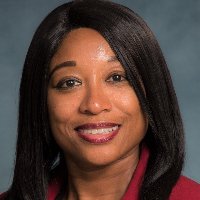
Dr. Vivia Hill-Silcott
LPCGeorgia · 8 yrs exp
Dr. Vivia Hill-Silcott, LPC - Relationships and Intimacy
Stress, Anxiety · Relationship · Family · Grief · +11 more
Read profileTherapist listings are provided by BetterHelp. We will earn a commission at no additional cost to you if you use our links to purchase.
Compare profiles of therapists listed in Georgia who mention intimacy and closeness in relationships. Review focus areas, approaches, credentials and languages, then browse profiles to learn which practitioners you may want to contact.
Georgia · 8 yrs exp
Dr. Vivia Hill-Silcott, LPC - Relationships and Intimacy
Stress, Anxiety · Relationship · Family · Grief · +11 more
Read profile
Georgia · 19 yrs exp
Licensed Professional Counselor - Relationships and Intimacy
Stress, Anxiety · Addictions · Trauma and abuse · Self esteem · +11 more
Read profile
Georgia · 7 yrs exp
Licensed Marriage and Family Therapist - Relationships and Intimacy
Stress, Anxiety · Relationship · Intimacy-related issues · Anger · +11 more
Read profile
Georgia · 18 yrs exp
Licensed Professional Counselor - Trauma and Relationships
Trauma and abuse · Coaching · Stress, Anxiety · Addictions · +13 more
Read profile
Georgia · 11 yrs exp
Licensed Professional Counselor - Relationships and Intimacy
Stress, Anxiety · Addictions · Family · Trauma and abuse · +13 more
Read profile
Georgia · 18 yrs exp
Licensed Professional Counselor - Relationships and Intimacy
Stress, Anxiety · Relationship · Family · Trauma and abuse · +13 more
Read profile
Georgia · 15 yrs exp
Licensed Professional Counselor - Intimacy and Relationship Concerns
Stress, Anxiety · Grief · Depression · Coping with life changes · +15 more
Read profile
Georgia · 42 yrs exp
LPC counselor - Relationships and intimacy
Relationship · Family · Trauma and abuse · Stress, Anxiety · +10 more
Read profile
Georgia · 20 yrs exp
Licensed Clinical Social Worker - Relationships and Intimacy
Stress, Anxiety · Relationship · Family · Intimacy-related issues · +1 more
Read profile
Georgia · 14 yrs exp
LPC counselor - relationships and life changes
Family · Grief · Parenting · Self esteem · +12 more
Read profile
Georgia · 18 yrs exp
Licensed Professional Counselor - Relationships and Intimacy
Stress, Anxiety · Addictions · Relationship · Family · +15 more
Read profile
Georgia · 8 yrs exp
Licensed Professional Counselor - Relationships and Intimacy
LGBT · Relationship · Trauma and abuse · Self esteem · +14 more
Read profile
Georgia · 11 yrs exp
Licensed Professional Counselor - Intimacy and Trauma
Family · Trauma and abuse · Intimacy-related issues · Anger · +1 more
Read profile
Georgia · 30 yrs exp
Licensed counselor - Relationships and Intimacy
Stress, Anxiety · Relationship · Family · Depression · +12 more
Read profile
Georgia · 13 yrs exp
Licensed Professional Counselor - Relationships and Intimacy
Stress, Anxiety · Relationship · Family · Self esteem · +13 more
Read profile
Georgia · 4 yrs exp
Licensed Professional Counselor - Relationships and Intimacy
Stress, Anxiety · Family · Trauma and abuse · Depression · +13 more
Read profile
Georgia · 5 yrs exp
Licensed Professional Counselor - Relationship and Intimacy
Stress, Anxiety · Relationship · Trauma and abuse · Bipolar · +12 more
Read profile
Georgia · 20 yrs exp
Licensed Professional Counselor - Intimacy and Addiction
Stress, Anxiety · Addictions · Relationship · Self esteem · +12 more
Read profile
Georgia · 12 yrs exp
LPC counselor - relationships and wellbeing
Stress, Anxiety · Relationship · Self esteem · Bipolar · +8 more
Read profile
Georgia · 14 yrs exp
Licensed Professional Counselor - Relationships and Intimacy
Relationship · Family · Intimacy-related issues · Parenting · +12 more
Read profile
Georgia · 10 yrs exp
Licensed Counselor - Intimacy and Relationship Concerns
Stress, Anxiety · Grief · Self esteem · Depression · +10 more
Read profile
Georgia · 12 yrs exp
Licensed Professional Counselor - Intimacy and relationships
Stress, Anxiety · Anger · Self esteem · Depression · +13 more
Read profile
Georgia · 15 yrs exp
Licensed Clinical Social Worker - Intimacy and Relationships
Stress, Anxiety · Trauma and abuse · Grief · Self esteem · +16 more
Read profile
Georgia · 15 yrs exp
Licensed Clinical Social Worker - Relationships and Trauma
Stress, Anxiety · Relationship · Family · Trauma and abuse · +12 more
Read profile
Georgia · 8 yrs exp
Licensed Marriage and Family Therapist - Relationships and Intimacy
Stress, Anxiety · Relationship · Family · Parenting · +11 more
Read profile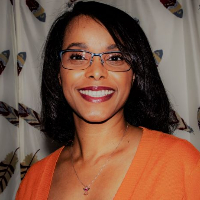
Georgia · 11 yrs exp
Licensed Professional Counselor - Relationships and Intimacy
Stress, Anxiety · Relationship · Trauma and abuse · Anger · +10 more
Read profile
Georgia · 15 yrs exp
Licensed counselor - relationships and mood
Stress, Anxiety · Relationship · Self esteem · Depression · +16 more
Read profile
Georgia · 15 yrs exp
LPC counselor - relationships and anxiety
Stress, Anxiety · Relationship · Trauma and abuse · Coping with life changes · +9 more
Read profile
Georgia · 14 yrs exp
Licensed Marriage and Family Therapist - Relationships and Intimacy
Relationship · Family · Parenting · Self esteem · +13 more
Read profile
Georgia · 10 yrs exp
Licensed counselor - Relationships and Intimacy
Stress, Anxiety · Relationship · Grief · Depression · +10 more
Read profile
Georgia · 7 yrs exp
Licensed Clinical Social Worker - Relationships and Intimacy
Stress, Anxiety · Family · Parenting · Self esteem · +10 more
Read profile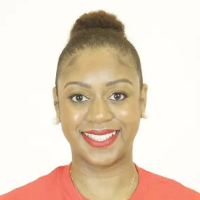
Georgia · 8 yrs exp
Licensed Professional Counselor - Relationships and Mood
Stress, Anxiety · Family · Anger · Self esteem · +12 more
Read profile
Georgia · 5 yrs exp
Licensed Professional Counselor - Relationships and Anxiety
Stress, Anxiety · Relationship · Family · Parenting · +12 more
Read profile
Georgia · 8 yrs exp
Dr. Treva Sexton - LPC, relationships and intimacy
Family · Intimacy-related issues · Parenting · Self esteem · +11 more
Read profile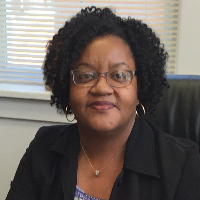
Georgia · 20 yrs exp
Licensed Professional Counselor - Relationships and Mood
Stress, Anxiety · Relationship · Self esteem · Bipolar · +14 more
Read profile
Georgia · 12 yrs exp
Licensed counselor - intimacy and mood concerns
Stress, Anxiety · Grief · Self esteem · Depression · +9 more
Read profile
Georgia · 18 yrs exp
Licensed Professional Counselor - Intimacy and Relationships
Stress, Anxiety · Addictions · Trauma and abuse · Anger · +13 more
Read profile
Georgia · 21 yrs exp
Licensed social worker - Intimacy and trauma issues
Stress, Anxiety · Trauma and abuse · Grief · Parenting · +16 more
Read profile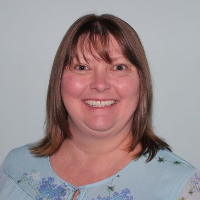
Georgia · 15 yrs exp
Licensed counselor - Intimacy and trauma
Stress, Anxiety · LGBT · Trauma and abuse · Grief · +11 more
Read profile
Georgia · 15 yrs exp
LPC in Georgia - Intimacy and Stress
Stress, Anxiety · Grief · Intimacy-related issues · Self esteem · +10 more
Read profile
Georgia · 20 yrs exp
Licensed Professional Counselor - Relationships and Intimacy
Stress, Anxiety · Relationship · Family · Parenting · +10 more
Read profile
Georgia · 12 yrs exp
Licensed Professional Counselor - Relationships and Intimacy
Stress, Anxiety · Relationship · Self esteem · Depression · +11 more
Read profile
Georgia · 7 yrs exp
Licensed Professional Counselor - Relationships and Mood
Stress, Anxiety · Anger · Career · Bipolar · +14 more
Read profile
Georgia · 20 yrs exp
Licensed Professional Counselor - Relationships and Intimacy
Stress, Anxiety · Addictions · Family · Trauma and abuse · +8 more
Read profile
Georgia · 25 yrs exp
LCSW - Intimacy and relationship concerns
Stress, Anxiety · Trauma and abuse · Self esteem · Coaching · +13 more
Read profile
Georgia · 19 yrs exp
Licensed Professional Counselor - Relationships and Intimacy
Stress, Anxiety · Relationship · Intimacy-related issues · Self esteem · +8 more
Read profile
Georgia · 14 yrs exp
Licensed Professional Counselor - Intimacy and Relationships
Stress, Anxiety · Addictions · Anger · Self esteem · +13 more
Read profile
Georgia · 26 yrs exp
Dr. Chanda Pilgrim - Psychologist, Relationships and Mood
Family · Trauma and abuse · Parenting · Depression · +11 more
Read profile
Georgia · 13 yrs exp
Licensed Professional Counselor - Relationship and Intimacy
Stress, Anxiety · Addictions · Relationship · Parenting · +13 more
Read profile
Georgia · 25 yrs exp
Licensed Professional Counselor - Relationships and Intimacy
Stress, Anxiety · Relationship · Trauma and abuse · Grief · +10 more
Read profile
Georgia · 16 yrs exp
Licensed Professional Counselor - Intimacy and Trauma
Stress, Anxiety · Addictions · Trauma and abuse · Grief · +9 more
Read profile
Georgia · 3 yrs exp
Licensed Professional Counselor - Relationships and Intimacy
Stress, Anxiety · Relationship · Family · Intimacy-related issues · +6 more
Read profile
Georgia · 8 yrs exp
Licensed Professional Counselor - Relationships and Intimacy
Stress, Anxiety · Relationship · Eating · Self esteem · +15 more
Read profile
Georgia · 18 yrs exp
Licensed Professional Counselor - Stress and Intimacy
Stress, Anxiety · Self esteem · Bipolar · Depression · +13 more
Read profile
Georgia · 21 yrs exp
Licensed Professional Counselor - Intimacy and Anxiety
Stress, Anxiety · Self esteem · Career · Coping with life changes · +10 more
Read profile
Georgia · 7 yrs exp
LCSW - depression and intimacy concerns
Stress, Anxiety · Self esteem · Bipolar · Depression · +9 more
Read profile
Georgia · 9 yrs exp
Licensed Professional Counselor - Relationships and Trauma
Stress, Anxiety · Relationship · Trauma and abuse · Intimacy-related issues · +8 more
Read profile
Georgia · 10 yrs exp
Licensed Professional Counselor - Relationships and Intimacy
Stress, Anxiety · Relationship · Family · Trauma and abuse · +14 more
Read profile
Georgia · 20 yrs exp
Licensed Professional Counselor - Relationships and Intimacy
Stress, Anxiety · Relationship · Depression · Coping with life changes · +14 more
Read profile
Georgia · 20 yrs exp
Licensed Professional Counselor - Relationships and Intimacy
Stress, Anxiety · Relationship · Family · Self esteem · +13 more
Read profileIf you are noticing emotional distance, repeated arguments about affection, difficulty trusting or a pattern of avoiding vulnerability, it can help to explore those patterns with a professional who lists intimacy among their focus areas. You might be dealing with problems in expressing need, showing or receiving affection, or recovering from a breach of trust. Those are common human concerns and talking through them can clarify what matters most to you and what you want to change. If you are experiencing physical symptoms that relate to sexual function, pain, or other medical issues, a medical doctor should be consulted first so physical causes are assessed and treated as needed.
Keep in mind that a specialty listing on a profile is not proof that a therapist holds a particular certification in sex therapy or that they work only with couples. A therapist may work with individuals, couples, or families, and that scope is something you should confirm directly on the profile and in conversation. The profiles collected under this listed location are intended to help you compare professionals who mention intimacy and related concerns, and to prompt the specific questions you may want to ask.
The directory groups profiles by listed location so you can find practitioners associated with Georgia, but a listed location does not automatically mean a clinician maintains an office there or is authorized to practice with every resident. Profiles vary in the detail they include. Some will show degrees such as PhD, PsyD, MD, MA or MSW, while others will highlight professional licenses, registrations, or memberships. An academic degree indicates an educational credential and should not be treated as the same thing as a license or registration that grants legal permission to practice.
Professionals in the United States typically hold state licenses that govern clinical practice. In the United Kingdom and Australia, practitioners commonly hold registration or membership with national or regional professional bodies. This directory includes profiles from the US, the UK and Australia, so it is important for you to check a profile for how the practitioner describes their credentials and to confirm that they have permission to work with you where you live. If you plan to work with someone across state or national lines, ask the clinician directly whether they are authorized to provide care to people in your jurisdiction.
When you review profiles and speak with a practitioner, having specific questions helps you compare fit. Ask how the clinician typically helps people who are coping with emotional distance or repeated difficulties with closeness. Request examples of the kinds of issues they work with and how they describe their approach in everyday terms. You might ask whether they focus more on exploring past patterns, on changing current behaviors, or on teaching communication skills - or whether they combine these strategies. If a profile lists particular approaches, such as EMDR or cognitive behavioral techniques, remember that this means the therapist lists those among their approaches and is not proof of a particular certification.
Also inquire about clinical experience with the populations you care about. If your situation involves a non-monogamous relationship, a same-sex partnership, cultural considerations, or other identity-related factors, ask about the clinician's experience and comfort in those areas. If you are considering couple-focused work, clarify whether the therapist commonly meets with partners together and whether you would both be expected to attend. A specialty listing does not establish that the therapist provides couples sessions, so confirm scope and format directly.
If you are considering working online or in person, talk through practical and ethical details before beginning. Confirm that the clinician is permitted by their professional body to work with clients in your location. Ask about the technological platform they use for remote sessions and how they handle privacy and data protection. Discuss how records are kept and whether notes or session summaries will be shared with you. Clarify communication preferences for scheduling and what to do if there is an urgent concern outside of sessions - for example, who to contact locally in an emergency.
Before a first meeting you can also ask what a typical session looks like with that clinician. Some therapists describe a more directive style - offering exercises and homework - while others take a reflective, exploratory approach that focuses on meaning and pattern. Neither style is inherently better; the right match depends on what you prefer and what feels most helpful to you. If any physical health questions are part of your concern - such as pain or changes in sexual functioning - ask whether the clinician recommends a referral to a medical professional so physical causes can be addressed alongside the emotional work.
When you compare profiles, look beyond a single line of text and read how a clinician writes about their work. Notice what focus areas they emphasize - whether that is rebuilding trust, managing desire differences, increasing affection, or strengthening vulnerability. Pay attention to the languages they work in, which can be important for nuanced emotional conversations. Compare academic degrees such as PhD, PsyD, MD, MA or MSW separately from licensing or registration information; a degree tells you about training while licensing describes permission to practice in a jurisdiction.
Consider style descriptors and phrasing as clues about fit. If a profile emphasizes skill-building and short-term goals, it may align with people who want concrete tools. If a profile emphasizes depth and exploration of patterns, it may suit those who want to unpack long-standing relational dynamics. You can also note whether the profile mentions therapists who list EMDR among their approaches or those who mention cognitive behavioral strategies, and then ask how those approaches are applied to intimacy concerns. Use specific comparison questions such as - Which issues do you address most often? How do you work with differences in desire or affection? How do you involve partners, if at all? - so you can evaluate profiles on the same criteria.
Profiles are starting points for conversation. After narrowing your choices, contact the practitioners whose profiles resonate and ask the concrete questions you developed here. Confirm whether the clinician can legally work with you in your location and discuss the ways of working that feel most likely to help you make the changes you want. That conversation will give you clearer information than any profile alone and help you decide who to speak with further.
Chronic Illness
862 therapists
Control Issues
2509 therapists
Depression
5256 therapists
Domestic Violence
1664 therapists
Guilt and Shame
3566 therapists
Intimacy Issues
5708 therapists
Isolation / Loneliness
3185 therapists
Midlife Crisis
2067 therapists
Post-Traumatic Stress
2880 therapists
Postpartum Depression
1331 therapists
Self Esteem
5305 therapists
Social Anxiety and Phobia
3068 therapists
Stress & Anxiety
5481 therapists
Trauma and Abuse
4940 therapists
Abandonment
2380 therapists
Attachment Issues
2681 therapists
Blended Family Issues
1852 therapists
Body Image
1859 therapists
Codependency
2323 therapists
Commitment Issues
2011 therapists
Communication Problems
3781 therapists
Coping with Life Changes
5091 therapists
Divorce
2838 therapists
Family of Origin Issues
1731 therapists
Fertility Issues
611 therapists
Forgiveness
3155 therapists
Infidelity
2056 therapists
Jealousy
1853 therapists
Non-Monogamous Relationships
938 therapists
Physical Intimacy Concerns
563 therapists
Pregnancy
1090 therapists
Relationship
5462 therapists
Self-Love
3600 therapists