
Dr. Steven Hurley
IL Psychologist 071007009Illinois · 19 yrs exp
Illinois psychologist - intimacy and relationships
Stress, Anxiety · LGBT · Relationship · Trauma and abuse · +9 more
Read profileTherapist listings are provided by BetterHelp. We will earn a commission at no additional cost to you if you use our links to purchase.
This page gathers profiles of professionals who list Domestic Violence among their specialty areas alongside intimacy and closeness in relationships. Use the listing grid to compare listed location, approaches, credentials and languages, then browse profiles to learn more and reach out.
Illinois · 19 yrs exp
Illinois psychologist - intimacy and relationships
Stress, Anxiety · LGBT · Relationship · Trauma and abuse · +9 more
Read profile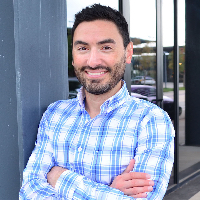
Kansas · 15 yrs exp
Licensed counselor - intimacy and relationships
Stress, Anxiety · Relationship · Family · Trauma and abuse · +14 more
Read profile
Kentucky · 18 yrs exp
Licensed Marriage and Family Therapist - Relationships and Intimacy
LGBT · Relationship · Family · Self esteem · +14 more
Read profile
New York · 9 yrs exp
LMHC - Intimacy and Relationship Concerns
Addictions · LGBT · Intimacy-related issues · Depression · +9 more
Read profile
Florida · 25 yrs exp
Licensed Mental Health Counselor - Relationships and Trauma
Relationship · Trauma and abuse · Grief · Anger · +12 more
Read profile
Florida · 7 yrs exp
Licensed counselor - relationships and addiction
Addictions · Relationship · Family · Trauma and abuse · +13 more
Read profile
Pennsylvania · 12 yrs exp
Licensed counselor - relationships and anxiety
Stress, Anxiety · Relationship · Self esteem · Depression · +11 more
Read profile
North Carolina · 10 yrs exp
Licensed clinical social worker - relationships and anxiety
Stress, Anxiety · Relationship · Family · Bipolar · +16 more
Read profile
Florida · 17 yrs exp
Licensed mental health counselor - Relationships and intimacy
Stress, Anxiety · Addictions · Relationship · Family · +14 more
Read profile
Minnesota · 23 yrs exp
Licensed marriage and family therapist - Relationships and Intimacy
Stress, Anxiety · Relationship · Trauma and abuse · Self esteem · +13 more
Read profile
Texas · 22 yrs exp
Dr. Ngozi Okose - LPC, relationships and intimacy
Stress, Anxiety · Relationship · Trauma and abuse · Depression · +16 more
Read profile
Mississippi · 12 yrs exp
Licensed Clinical Social Worker - Intimacy and Relationships
Stress, Anxiety · Addictions · Anger · Self esteem · +12 more
Read profile
Virginia · 14 yrs exp
Licensed Professional Counselor - Trauma and Relationships
Trauma and abuse · Grief · Coping with life changes · Compassion fatigue · +12 more
Read profile
Arkansas · 23 yrs exp
Licensed Professional Counselor - Intimacy and Relationships
Stress, Anxiety · Trauma and abuse · Anger · Self esteem · +11 more
Read profile
Oklahoma · 8 yrs exp
Licensed Professional Counselor - Relationships and Intimacy
Stress, Anxiety · Addictions · Self esteem · Depression · +11 more
Read profile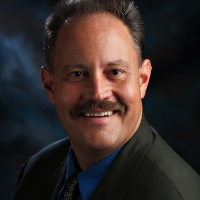
Louisiana · 25 yrs exp
LPC counselor - Relationships and addiction
Addictions · Relationship · Family · Trauma and abuse · +11 more
Read profile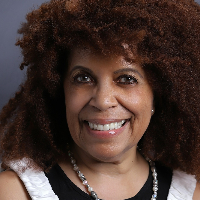
Tennessee · 15 yrs exp
Licensed Clinical Social Worker - Relationships and Intimacy
Stress, Anxiety · Relationship · Family · Self esteem · +9 more
Read profile
South Carolina · 5 yrs exp
Licensed Professional Counselor - relationships and intimacy
Relationship · Family · Trauma and abuse · Intimacy-related issues · +15 more
Read profile
Oregon · 17 yrs exp
LMFT focusing on intimacy and trauma
Stress, Anxiety · Trauma and abuse · Grief · Intimacy-related issues · +1 more
Read profile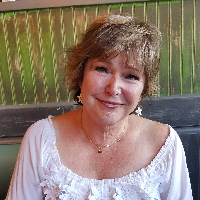
Oklahoma · 20 yrs exp
Licensed Professional Counselor - Intimacy and Trauma
Stress, Anxiety · Addictions · Trauma and abuse · Anger · +8 more
Read profile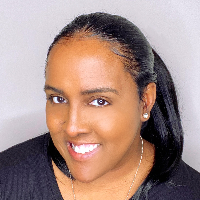
North Carolina · 20 yrs exp
Licensed Clinical Social Worker - Intimacy and Addictions
Stress, Anxiety · Addictions · Family · Career · +16 more
Read profile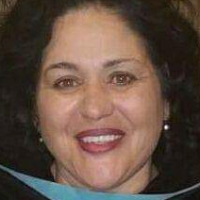
North Carolina · 20 yrs exp
Licensed counselor - Intimacy and mood concerns
Stress, Anxiety · Parenting · Self esteem · Depression · +15 more
Read profile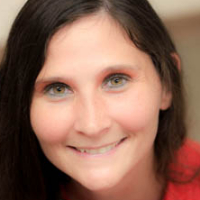
Florida · 18 yrs exp
Dr. Nicole Thweatt, LMHC - Relationships and Mood Concerns
Stress, Anxiety · Parenting · Anger · Self esteem · +13 more
Read profile
Pennsylvania · 23 yrs exp
Licensed Professional Counselor - Intimacy and Addiction
Stress, Anxiety · Addictions · Trauma and abuse · Self esteem · +12 more
Read profile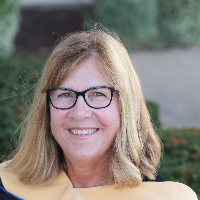
Illinois · 23 yrs exp
Licensed Clinical Social Worker - Relationships and Intimacy
Stress, Anxiety · Trauma and abuse · Anger · Depression · +10 more
Read profile
Texas · 19 yrs exp
LPC focusing on relationships and intimacy
Stress, Anxiety · Relationship · Family · Trauma and abuse · +12 more
Read profile
Indiana · 11 yrs exp
LMHC - Intimacy and Relationship Concerns
Stress, Anxiety · Addictions · Trauma and abuse · Parenting · +14 more
Read profile
Alabama · 12 yrs exp
Licensed Professional Counselor - Relationships and Intimacy
Stress, Anxiety · Family · Anger · Self esteem · +13 more
Read profile
Texas · 8 yrs exp
Licensed Professional Counselor - Relationships and Intimacy
Stress, Anxiety · Addictions · Trauma and abuse · Self esteem · +11 more
Read profile
Texas · 17 yrs exp
Dr. Dora Whiteside - LPC Texas, mood and intimacy concerns
Stress, Anxiety · Addictions · Self esteem · Bipolar · +15 more
Read profile
Kentucky · 15 yrs exp
Licensed Clinical Social Worker - relationships and mood
Stress, Anxiety · Relationship · Parenting · Anger · +13 more
Read profile
Connecticut · 16 yrs exp
LCSW - Intimacy and relationship concerns
Stress, Anxiety · Addictions · Family · Anger · +14 more
Read profile
Florida · 9 yrs exp
LMHC in Florida - relationships and mood
Stress, Anxiety · Family · Parenting · Anger · +11 more
Read profile
Delaware · 24 yrs exp
LMFT - Relationships and Intimacy
Relationship · Family · Trauma and abuse · Parenting · +14 more
Read profile
New York · 20 yrs exp
Licensed Mental Health Counselor - Relationships and Intimacy
Stress, Anxiety · Relationship · Family · Self esteem · +15 more
Read profile
Iowa · 15 yrs exp
Licensed Mental Health Counselor - Relationship and Intimacy
Stress, Anxiety · LGBT · Relationship · Trauma and abuse · +13 more
Read profile
Mississippi · 20 yrs exp
Licensed counselor - intimacy and relationships
Stress, Anxiety · Addictions · Trauma and abuse · Anger · +14 more
Read profile
North Carolina · 5 yrs exp
Licensed counselor - relationships and intimacy
Stress, Anxiety · Family · Trauma and abuse · Depression · +15 more
Read profile
Florida · 9 yrs exp
Licensed Mental Health Counselor - Anxiety and Relationships
Stress, Anxiety · Trauma and abuse · Parenting · Depression · +10 more
Read profile
Florida · 10 yrs exp
Licensed Mental Health Counselor - Relationships and Intimacy
Stress, Anxiety · Addictions · Relationship · Anger · +7 more
Read profile
Washington · 50 yrs exp
LMHC focused on intimacy and trauma
Stress, Anxiety · Trauma and abuse · Intimacy-related issues · Self esteem · +15 more
Read profile
Florida · 11 yrs exp
Licensed Mental Health Counselor - Intimacy and Relationships
Stress, Anxiety · Trauma and abuse · Grief · Depression · +8 more
Read profile
Alabama · 41 yrs exp
Licensed Professional Counselor - Stress and Relationships
Stress, Anxiety · Addictions · Trauma and abuse · Self esteem · +14 more
Read profile
Florida · 20 yrs exp
Licensed Clinical Social Worker - Intimacy and Trauma
Stress, Anxiety · Trauma and abuse · Grief · Self esteem · +9 more
Read profile
Florida · 13 yrs exp
LMFT - Relationships and Intimacy
Relationship · Family · Trauma and abuse · Intimacy-related issues · +12 more
Read profile
Florida · 13 yrs exp
LMHC - Relationships and Intimacy
Stress, Anxiety · Trauma and abuse · Anger · Depression · +11 more
Read profile
Louisiana · 30 yrs exp
Licensed Clinical Social Worker - Relationships and Trauma
Stress, Anxiety · Relationship · Family · Trauma and abuse · +14 more
Read profile
Indiana · 5 yrs exp
Licensed Mental Health Counselor - Relationships and Intimacy
Stress, Anxiety · Relationship · Self esteem · Depression · +7 more
Read profile
Oklahoma · 8 yrs exp
Licensed Professional Counselor - Relationships and Trauma
Stress, Anxiety · Relationship · Trauma and abuse · Anger · +13 more
Read profile
Michigan · 10 yrs exp
Licensed social worker - relationships and addiction
Addictions · Relationship · Trauma and abuse · Self esteem · +16 more
Read profile
Texas · 20 yrs exp
Licensed Professional Counselor - Relationships and Intimacy
Stress, Anxiety · Relationship · Depression · Coping with life changes · +12 more
Read profile
Oklahoma · 22 yrs exp
LMFT in Oklahoma - Relationships and Intimacy
Stress, Anxiety · Relationship · Family · Addictions · +12 more
Read profile
South Carolina · 9 yrs exp
Licensed professional counselor - Intimacy and relationships
Stress, Anxiety · Trauma and abuse · Grief · Depression · +16 more
Read profile
Montana · 10 yrs exp
LCPC - Relationships and Intimacy
Stress, Anxiety · Trauma and abuse · Grief · Self esteem · +13 more
Read profile
California · 17 yrs exp
Licensed Marriage and Family Therapist - Relationships and Trauma
Relationship · Family · Trauma and abuse · Anger · +10 more
Read profile
Wisconsin · 20 yrs exp
Licensed Clinical Social Worker - Relationships and Intimacy
Stress, Anxiety · Relationship · Trauma and abuse · Self esteem · +15 more
Read profile
Texas · 25 yrs exp
LMFT in Texas - Relationships and Intimacy
Stress, Anxiety · Addictions · Relationship · Parenting · +14 more
Read profile
North Carolina · 5 yrs exp
Licensed counselor - Relationships and intimacy
Relationship · Grief · Eating · Anger · +12 more
Read profile
South Carolina · 11 yrs exp
Licensed Professional Counselor - Relationships and Intimacy
Stress, Anxiety · Family · Self esteem · Depression · +16 more
Read profile
Arizona · 10 yrs exp
Licensed Professional Counselor - Relationships and Intimacy
Stress, Anxiety · Trauma and abuse · Grief · Self esteem · +12 more
Read profileDomestic violence encompasses a range of harmful behaviors that can affect how you experience trust, affection, vulnerability and closeness. On a page that focuses on intimacy-related concerns, domestic violence is presented as an area many professionals address because it can deeply influence your capacity for connection. That does not mean every therapist who lists the topic treats the same issues or works with the same populations. A listed topic does not establish that the therapist treats children, couples, or families. You should discuss your needs and the therapist's actual scope directly.
When you are looking for help, it can be useful to separate the immediate safety and medical needs from longer-term emotional and relational work. If you have recent physical injuries, a medical professional should be consulted first. Emotional responses such as fear, shame, or difficulty trusting others are common and legitimate reasons to seek support for intimacy and relationship patterns. The professionals you find here may describe approaches aimed at trauma-related processing, relationship rebuilding or personal safety planning - these are areas to explore in conversation rather than assumptions to accept without question.
As you compare profiles, think about concrete factors that matter for your situation. Consider whether the therapist's listed focus areas align with your priorities - for example, do they list trauma-informed care, relationship repair, boundaries, or emotional regulation among their specialties? Look at the listed location to understand geographic context, and notice the languages they indicate to make sure communication will be comfortable for you. Pay attention to whether a profile states the populations the practitioner typically works with, such as individuals, survivors of abuse, or people dealing with intimacy concerns, and remember that a topic listed on a profile is not a guarantee of a particular training or certification.
Ask questions to clarify scope. Does the therapist describe experience working with the kinds of patterns you have noticed? Are there indications of familiarity with safety planning or coordinating with medical and legal professionals when needed? You can also reflect on practical preferences - whether you want someone who emphasizes emotional processing, skill-based strategies for managing triggers, or relational work aimed at rebuilding closeness. These distinctions will help you narrow down profiles to those most likely to match the approach you prefer.
Before reaching out, prepare specific questions you can raise with a clinician. Instead of asking only whether someone "works with" domestic violence, you might ask how they describe their approach to trauma-related concerns, which client populations they commonly support, and how they coordinate care when medical or legal issues arise. You can ask whether a therapist lists particular approaches among their methods - for example, therapists who list EMDR among their approaches, or who note cognitive-behavioral or somatic-informed work - and whether those approaches inform how they work with people affected by abuse. Frame these questions as prompts for discussion, not as assumptions that every listed method will be offered.
Distinguish degrees from professional permissions to practice. Profiles often include academic degrees such as PhD, PsyD, MD, MA or MSW. These indicate educational background but do not by themselves establish current licensing, registration or membership with a professional body. In the United States you will commonly see state licensing information; in the United Kingdom and Australia practitioners may list registration, membership or affiliation with national bodies instead. It is reasonable to ask what kinds of registration or licensing the therapist holds in their listed location and what that means for their scope of practice.
If you are considering online or remote sessions, clarify practical and safety details up front. Ask how the therapist addresses privacy practices for virtual meetings and how they handle records and communications. Discuss what to do in a crisis or if you need urgent help - good planning includes identifying local emergency contacts and medical services near your listed location. If you have physical injuries or acute health concerns, a doctor or urgent care clinician should be part of your care pathway, and you can ask how the therapist will coordinate with medical professionals when appropriate.
Because technology and location can affect what is possible, find out what platforms a therapist uses, whether they will keep routine session notes, and how they manage cancellations or changes. Talk about practicalities such as suitable times to communicate, how they prefer to exchange messages between meetings, and how to handle situations where meeting from home might not feel safe. You can also raise the question of whether they work with individuals who are in ongoing relationships with someone who has been abusive and whether they offer support focused solely on the survivor's needs. Clarify these boundaries before committing to sessions.
When you browse profiles, look at how each clinician describes their focus areas and the language they use about domestic violence and intimacy. Some profiles will highlight trauma-related experience, others may emphasize relationship processes or work on trust and emotional closeness. Note which languages are listed so that you can communicate in the language you are most comfortable with. Consider the style described in profiles - whether the practitioner emphasizes practical skills, reflective exploration, or a combination - and think about which style resonates with how you prefer to work.
Examine credentials and distinctions carefully. A profile may include academic degrees such as PhD, PsyD, MD, MA or MSW. These signal educational attainment. Separate that information from statements about licensing, registration or membership. In the United States many professionals will list state licenses, while in the United Kingdom and Australia you may see references to registration or professional memberships. You can ask a therapist on a first call or message what their listed credentials mean for their scope of practice in the listed location. Finally, remember that a specialty listed on a profile is an invitation to ask more about fit. Ask direct questions about whether the clinician commonly works with people who have experiences similar to yours and what a typical course of support might focus on, keeping in mind that outcomes cannot be guaranteed and that your first priority is your safety and wellbeing.
Alabama
66 therapists
Alaska
10 therapists
Arizona
62 therapists
Arkansas
26 therapists
Australia
68 therapists
California
338 therapists
Colorado
108 therapists
Connecticut
39 therapists
Delaware
15 therapists
District of Columbia
15 therapists
Florida
500 therapists
Georgia
171 therapists
Hawaii
23 therapists
Idaho
20 therapists
Illinois
160 therapists
Indiana
81 therapists
Iowa
23 therapists
Kansas
37 therapists
Kentucky
55 therapists
Louisiana
115 therapists
Maine
15 therapists
Maryland
72 therapists
Massachusetts
51 therapists
Michigan
156 therapists
Minnesota
62 therapists
Mississippi
43 therapists
Missouri
149 therapists
Montana
24 therapists
Nebraska
27 therapists
Nevada
28 therapists
New Hampshire
18 therapists
New Jersey
120 therapists
New Mexico
28 therapists
New York
240 therapists
North Carolina
195 therapists
North Dakota
5 therapists
Ohio
112 therapists
Oklahoma
86 therapists
Oregon
33 therapists
Pennsylvania
158 therapists
Rhode Island
10 therapists
South Carolina
98 therapists
South Dakota
11 therapists
Tennessee
76 therapists
Texas
512 therapists
United Kingdom
1151 therapists
Utah
42 therapists
Vermont
9 therapists
Virginia
87 therapists
Washington
64 therapists
West Virginia
15 therapists
Wisconsin
68 therapists
Wyoming
13 therapists