- Stress and anxiety
- Cognitive behavioral methods
- Emotion-focused work
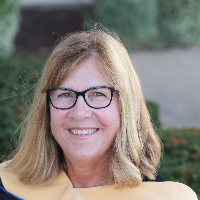
About Cindy
Dr. Cindy Cook is a Licensed Clinical Social Worker (LCSW) practicing in Illinois with 23 years of experience. She works with adults on concerns such as stress, anxiety, depression, relationship strain, and intimacy-related issues. She also addresses ADHD, addictions, grief, and self-esteem difficulties.
Her background includes long-term clinical work across many presenting problems. She has supported people who experienced trauma and abuse and helped those coping with complicated life transitions like divorce, caregiver stress, and midlife shifts. She also has experience with fertility concerns, hospice and end-of-life counseling, and issues connected to autism and blended family dynamics.
In sessions she uses straightforward, conversational methods. She draws on client-centered approaches and cognitive behavioral techniques to help people notice patterns, test new ways of thinking, and try different behaviors. She also uses emotionally-focused and narrative methods to look at how feelings and personal stories shape relationships and self-image.
Her practice emphasizes practical steps alongside exploration. People can expect a mix of short-term problem solving and deeper work on patterns that keep repeating. The therapist shapes discussions to fit each person’s goals and preferences.
Dr. Cook works in English and holds an Illinois LCSW credential. To begin, prospective clients follow the site’s intake flow to match and schedule an initial session.
How her approaches translate to online therapy
Client-centered work focuses on listening and reflecting so clients feel heard and understood; online sessions use that same conversational stance to help identify what matters most to the client. Cognitive Behavioral Therapy (CBT) offers clear tools for changing unhelpful thoughts and behaviors, which can be practiced between sessions and reviewed remotely. Emotionally-Focused Therapy (EFT) concentrates on understanding and processing feelings in relationships, helping people notice patterns that affect closeness and trust.Finding the right mix of approaches is part of the process. The therapist will work together with the client to choose methods that fit the person’s goals, preferences, and immediate needs. This collaborative planning can include short-term problem solving or longer work on recurring patterns depending on what the client wants.
Confirm the precise session options before booking, as formats are not listed here. Online sessions can make it easier to fit therapy into a busy week, allow for shorter check-ins when time is limited, and avoid travel time. They also let people share examples from their daily life between meetings for practical follow-up. Licensed professionals adapt session length and focus so therapy fits into everyday routines rather than creating extra burden.
Frequently asked questions
What kinds of concerns does she help with?
She works with stress, anxiety, depression, relationship strain, intimacy-related issues, and related concerns such as grief, addictions, and ADHD.
What is her general therapy style?
Her style is conversational and practical, combining client-centered listening with cognitive behavioral and emotionally-focused techniques.
How much clinical experience does she have?
She has 23 years of clinical experience working with people facing trauma, loss, relationship problems, and other life stresses.
What are her credentials and where is she based?
She is an LCSW licensed in Illinois and practices from that state.
Which languages are supported for sessions?
Sessions are offered in English.
Can people outside the United States work with her?
She is not accepting international clients at this time.
How are sessions paid for?
Cost varies by location and sessions use a subscription model that can be canceled at any time.
What are the steps to start therapy?
Use the See online therapy options button, complete the short matching questionnaire, and schedule a first session.