
Stacey Sugar
LCPC, LPCCCalifornia · 14 yrs exp
Licensed counselor - relationships and intimacy
Stress, Anxiety · Relationship · Family · Intimacy-related issues · +9 more
Read profileTherapist listings are provided by BetterHelp. We will earn a commission at no additional cost to you if you use our links to purchase.
Compare focus areas, approaches, languages and listed locations to find profiles that relate to your concerns about Isolation and Loneliness and interest in intimacy and closeness. Browse the profiles below to review credentials, approaches and experience descriptions.
California · 14 yrs exp
Licensed counselor - relationships and intimacy
Stress, Anxiety · Relationship · Family · Intimacy-related issues · +9 more
Read profile
Texas · 13 yrs exp
LCSW - Relationships and Intimacy
Stress, Anxiety · Relationship · Trauma and abuse · Anger · +11 more
Read profile
Missouri · 23 yrs exp
Licensed Professional Counselor - Intimacy and Addictions
Stress, Anxiety · Addictions · Trauma and abuse · Career · +10 more
Read profile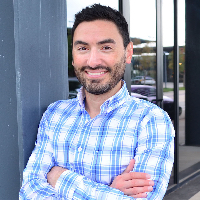
Kansas · 15 yrs exp
Licensed counselor - intimacy and relationships
Stress, Anxiety · Relationship · Family · Trauma and abuse · +14 more
Read profile
Texas · 25 yrs exp
Licensed Professional Counselor - Relationships and Intimacy
Stress, Anxiety · Relationship · Parenting · Anger · +8 more
Read profile
New Jersey · 15 yrs exp
Licensed Clinical Social Worker - Intimacy and Relationships
Stress, Anxiety · Family · Trauma and abuse · Parenting · +10 more
Read profile
North Carolina · 51 yrs exp
LCMHC - Relationships and Intimacy
Relationship · Intimacy-related issues · Parenting · Self esteem · +12 more
Read profile
New York · 9 yrs exp
LMHC - Intimacy and Relationship Concerns
Addictions · LGBT · Intimacy-related issues · Depression · +9 more
Read profile
New Jersey · 5 yrs exp
Licensed Professional Counselor - Relationships and Intimacy
Stress, Anxiety · Relationship · Family · Anger · +12 more
Read profile
Florida · 7 yrs exp
Licensed counselor - relationships and addiction
Addictions · Relationship · Family · Trauma and abuse · +13 more
Read profile
New York · 5 yrs exp
Licensed Mental Health Counselor - Relationships and Intimacy
Stress, Anxiety · LGBT · Trauma and abuse · Bipolar · +12 more
Read profile
Michigan · 5 yrs exp
Licensed Professional Counselor - Relationships and Intimacy
Stress, Anxiety · Relationship · Family · Self esteem · +12 more
Read profile
Rhode Island · 18 yrs exp
LMHC - Anxiety and Relationship concerns
Stress, Anxiety · Relationship · Trauma and abuse · Grief · +12 more
Read profile
Pennsylvania · 12 yrs exp
Licensed counselor - relationships and anxiety
Stress, Anxiety · Relationship · Self esteem · Depression · +11 more
Read profile
Arizona · 6 yrs exp
Licensed Professional Counselor - Relationships and Stress
Stress, Anxiety · Relationship · Family · Self esteem · +11 more
Read profile
North Carolina · 10 yrs exp
Licensed clinical social worker - relationships and anxiety
Stress, Anxiety · Relationship · Family · Bipolar · +16 more
Read profile
Florida · 17 yrs exp
Licensed mental health counselor - Relationships and intimacy
Stress, Anxiety · Addictions · Relationship · Family · +14 more
Read profile
Louisiana · 10 yrs exp
Licensed Professional Counselor - Relationships and Intimacy
Stress, Anxiety · Relationship · Family · Depression · +12 more
Read profile
Colorado · 11 yrs exp
Licensed Professional Counselor - intimacy and relationships
Stress, Anxiety · LGBT · Trauma and abuse · Anger · +15 more
Read profile
Texas · 22 yrs exp
Dr. Ngozi Okose - LPC, relationships and intimacy
Stress, Anxiety · Relationship · Trauma and abuse · Depression · +16 more
Read profile
Kentucky · 11 yrs exp
Licensed Marriage and Family Therapist - Relationships and Intimacy
Stress, Anxiety · Relationship · Family · Self esteem · +9 more
Read profile
Georgia · 19 yrs exp
Licensed Professional Counselor - Relationships and Intimacy
Stress, Anxiety · Addictions · Trauma and abuse · Self esteem · +11 more
Read profile
Louisiana · 20 yrs exp
LMFT LPC - Relationships and Emotional Health
Stress, Anxiety · Addictions · Eating · Depression · +14 more
Read profile
Nebraska · 14 yrs exp
LIMHP in Nebraska - Intimacy and mood concerns
Stress, Anxiety · Grief · Bipolar · Depression · +13 more
Read profile
Mississippi · 12 yrs exp
Licensed Clinical Social Worker - Intimacy and Relationships
Stress, Anxiety · Addictions · Anger · Self esteem · +12 more
Read profile
Virginia · 14 yrs exp
Licensed Professional Counselor - Trauma and Relationships
Trauma and abuse · Grief · Coping with life changes · Compassion fatigue · +12 more
Read profile
Texas · 33 yrs exp
Licensed Clinical Social Worker - Relationships and Intimacy
Stress, Anxiety · Relationship · Family · Self esteem · +11 more
Read profile
Ohio · 20 yrs exp
LISW in Ohio - Relationship and intimacy concerns
Stress, Anxiety · LGBT · Family · Grief · +16 more
Read profile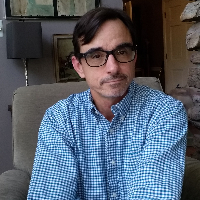
Arkansas · 23 yrs exp
Licensed Professional Counselor - Intimacy and Relationships
Stress, Anxiety · Trauma and abuse · Anger · Self esteem · +11 more
Read profile
Colorado · 5 yrs exp
LCSW in Colorado - Relationships and Intimacy
Stress, Anxiety · Relationship · Family · Trauma and abuse · +10 more
Read profile
Virginia · 13 yrs exp
Licensed Professional Counselor - Intimacy and Relationship Concerns
Stress, Anxiety · Anger · Self esteem · Depression · +9 more
Read profile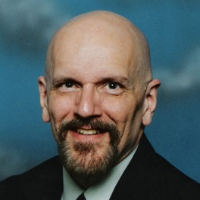
Illinois · 20 yrs exp
Licensed Clinical Social Worker - Intimacy and Relationships
Stress, Anxiety · Grief · Self esteem · Depression · +11 more
Read profile
Louisiana · 10 yrs exp
Licensed Professional Counselor - Relationships and Stress
Stress, Anxiety · Trauma and abuse · Anger · Self esteem · +12 more
Read profile
Oklahoma · 8 yrs exp
Licensed Professional Counselor - Relationships and Intimacy
Stress, Anxiety · Addictions · Self esteem · Depression · +11 more
Read profile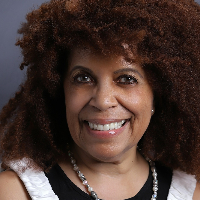
Tennessee · 15 yrs exp
Licensed Clinical Social Worker - Relationships and Intimacy
Stress, Anxiety · Relationship · Family · Self esteem · +9 more
Read profile
Georgia · 7 yrs exp
Licensed Marriage and Family Therapist - Relationships and Intimacy
Stress, Anxiety · Relationship · Intimacy-related issues · Anger · +11 more
Read profile
Oregon · 17 yrs exp
LMFT focusing on intimacy and trauma
Stress, Anxiety · Trauma and abuse · Grief · Intimacy-related issues · +1 more
Read profile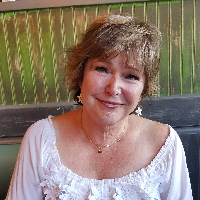
Oklahoma · 20 yrs exp
Licensed Professional Counselor - Intimacy and Trauma
Stress, Anxiety · Addictions · Trauma and abuse · Anger · +8 more
Read profile
Kansas · 5 yrs exp
LCSW clinician - relationships and intimacy
Stress, Anxiety · Trauma and abuse · Anger · Self esteem · +11 more
Read profile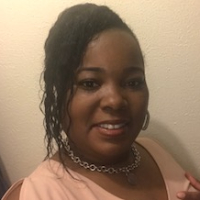
Louisiana · 10 yrs exp
Licensed Professional Counselor - Relationships and Intimacy
Stress, Anxiety · Trauma and abuse · Anger · Self esteem · +8 more
Read profile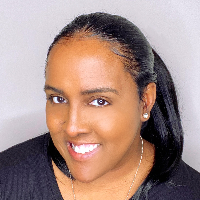
North Carolina · 20 yrs exp
Licensed Clinical Social Worker - Intimacy and Addictions
Stress, Anxiety · Addictions · Family · Career · +16 more
Read profile
Colorado · 13 yrs exp
LMFT - Relationships and Intimacy
Stress, Anxiety · LGBT · Relationship · Trauma and abuse · +10 more
Read profile
North Carolina · 20 yrs exp
Licensed counselor - Intimacy and mood concerns
Stress, Anxiety · Parenting · Self esteem · Depression · +15 more
Read profile
Texas · 5 yrs exp
LCSW counselor - intimacy and mood concerns
Self esteem · Career · Bipolar · Depression · +8 more
Read profile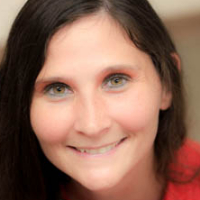
Florida · 18 yrs exp
Dr. Nicole Thweatt, LMHC - Relationships and Mood Concerns
Stress, Anxiety · Parenting · Anger · Self esteem · +13 more
Read profile
Missouri · 13 yrs exp
Licensed Clinical Social Worker - Relationships and Addictions
Stress, Anxiety · Addictions · Relationship · Family · +6 more
Read profile
Missouri · 23 yrs exp
Licensed Professional Counselor - Relationships and Intimacy
Stress, Anxiety · Relationship · Trauma and abuse · Depression · +9 more
Read profile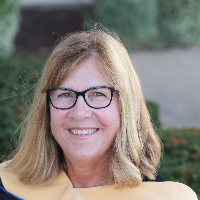
Illinois · 23 yrs exp
Licensed Clinical Social Worker - Relationships and Intimacy
Stress, Anxiety · Trauma and abuse · Anger · Depression · +10 more
Read profile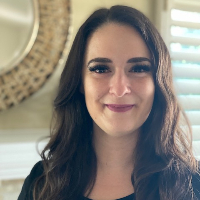
California · 6 yrs exp
Licensed MFT - Relationships and Intimacy
Stress, Anxiety · Addictions · Relationship · Depression · +10 more
Read profile
Pennsylvania · 15 yrs exp
Licensed Professional Counselor - Relationship and Intimacy concerns
Stress, Anxiety · Relationship · Self esteem · Depression · +14 more
Read profile
Wisconsin · 18 yrs exp
Licensed clinical social worker - intimacy and relationships
Stress, Anxiety · Parenting · Self esteem · Depression · +11 more
Read profile
Texas · 19 yrs exp
LPC focusing on relationships and intimacy
Stress, Anxiety · Relationship · Family · Trauma and abuse · +12 more
Read profile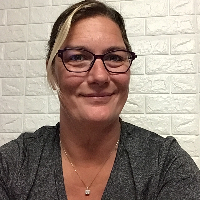
Indiana · 11 yrs exp
LMHC - Intimacy and Relationship Concerns
Stress, Anxiety · Addictions · Trauma and abuse · Parenting · +14 more
Read profile
Alabama · 12 yrs exp
Licensed Professional Counselor - Relationships and Intimacy
Stress, Anxiety · Family · Anger · Self esteem · +13 more
Read profile
Illinois · 34 yrs exp
Illinois LCPC - Relationships and Intimacy
Stress, Anxiety · Relationship · Grief · Self esteem · +11 more
Read profile
Texas · 8 yrs exp
Licensed Professional Counselor - Relationships and Intimacy
Stress, Anxiety · Addictions · Trauma and abuse · Self esteem · +11 more
Read profile
Texas · 17 yrs exp
Dr. Dora Whiteside - LPC Texas, mood and intimacy concerns
Stress, Anxiety · Addictions · Self esteem · Bipolar · +15 more
Read profile
Illinois · 9 yrs exp
Illinois LCPC - Intimacy and relationships
Stress, Anxiety · LGBT · Grief · Self esteem · +9 more
Read profile
Illinois · 3 yrs exp
LCSW focused on relationships and mental health
Stress, Anxiety · Addictions · LGBT · Relationship · +10 more
Read profile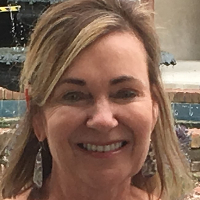
Kentucky · 15 yrs exp
Licensed Clinical Social Worker - relationships and mood
Stress, Anxiety · Relationship · Parenting · Anger · +13 more
Read profileWhen you feel lonely or isolated you may notice that emotional distance, difficulty trusting others, or trouble sharing vulnerability becomes harder to close. Loneliness and isolation are subjective experiences - you can be surrounded by people and still feel disconnected, or you can prefer solitude and yet have fulfilling close ties. Thinking about these experiences in relation to intimacy and closeness can help you identify what you want to change in relationships or in how you relate to yourself.
There is no single pathway from feeling isolated to challenges with intimacy. For some people, past losses, grief or practical life changes create less opportunity for close contact. For others, anxiety about being judged, social skills that feel rusty, or low energy linked to health issues can make it harder to reach out. You may find it useful to explore how patterns of attachment, communication habits and day-to-day routines influence your sense of connection. If you are experiencing physical symptoms such as fatigue, changes in appetite, pain or other bodily concerns that accompany low mood, it is appropriate to consult a doctor to rule out medical causes before or while pursuing therapeutic support.
This directory groups profiles of professionals who list Isolation or Loneliness among their areas of focus and also list intimacy-related concerns. That shared listing can point you toward practitioners who have chosen to include relationship closeness, emotional distance or vulnerability as topics in their profiles, but it does not establish a causal link between the two concerns. The presence of both topics in a profile simply indicates that the clinician has noted them as areas they address. When you browse, treat those entries as conversation starters rather than definitive proof of a particular certification or scope of practice.
The professionals you find here work across a range of backgrounds and settings. Some hold degrees such as PhD, PsyD, MD, MA or MSW; those academic credentials describe a level of training, but a degree alone does not indicate current permission to practice. In the United States many clinicians hold a state license, while in the United Kingdom and Australia professionals may list registrations, memberships or professional bodies rather than a single national license. Profiles typically describe experience, focus areas and therapeutic approaches, and therapists who list specific methods among their approaches are not necessarily asserting formal certification in those methods. Use the profile details to identify practitioners whose descriptions align with the kind of support you are seeking.
When you find profiles that interest you, having clear questions will help you compare approach and fit. You might want to ask how the clinician frames isolation and loneliness in the context of intimacy - whether they focus on rebuilding social connections, strengthening existing relationships, addressing emotional patterns that block closeness, or working with related mood symptoms. Ask how much of their work addresses communication skills, emotional regulation or life transitions, and whether they typically work with individuals, couples or other arrangements. Remember that a specialty listing does not establish that a therapist treats children, couples, or families, so clarify the population they usually see.
Be direct about practical matters that matter to you. Inquire about the approaches they list on their profile - for example, some therapists list cognitive, psychodynamic, somatic or relational approaches among their preferred ways of working. Phrase questions in a way that invites explanation - ask what a typical early session looks like, how they measure progress, and how they adapt their approach if you are focused on both personal isolation and relationship closeness. Avoid assuming that a listed approach equals formal credentialing; instead, ask how they apply those approaches in sessions and what kinds of outcomes people often work toward in their practice.
Before you begin, it helps to discuss the format you prefer and any specifics about meeting online or in person. If you choose remote care, ask how the therapist conducts sessions, what platforms they use, and how they handle technical interruptions or boundaries around communication between sessions. If you prefer meeting in a listed location, ask whether that is a shared office, a therapy center or a private space, and what the setting is like so you can decide whether it feels comfortable for fostering emotional closeness.
It is also important to talk about the therapist's experience working with issues that often accompany isolation - such as grief, social anxiety, low mood or health-related limitations - and whether they are accustomed to coordinating with medical providers if physical symptoms are part of your experience. If medication or physical health concerns play a role in your loneliness or energy levels, you should consult a doctor to explore those aspects alongside psychological support. Clarify the expected frequency of sessions and how long-term or short-term work is usually approached, while remembering this directory does not provide information about individual clinicians' schedules or openings. Use these conversations to set mutual expectations about privacy of notes, emergency procedures and how to reach out between sessions if that is part of their practice style.
Comparing profiles will be easier if you keep a few concrete criteria in mind. Look for focus areas that match the aspects of isolation and closeness you want to address - whether you are seeking help with rebuilding social networks, managing fear of rejection, addressing emotional numbness, or strengthening intimacy within a current relationship. Check languages listed in profiles if communicating in your preferred language feels important for nuanced emotional work. Many profiles note the population they commonly work with and the issues they emphasize, which can help you find a closer fit.
When reviewing credentials, distinguish between academic degrees and regulatory credentials. A PhD, PsyD, MD, MA or MSW indicates a level of academic preparation, while licensure, registration or membership in professional bodies indicates different forms of professional recognition in various countries. In the United States you will often see state licensing; in the United Kingdom and Australia professionals may note their registration or membership status. These distinctions matter because they reflect different regulatory frameworks and avenues for asking questions should you need them. Finally, pay attention to how therapists describe their therapeutic style in their profiles. Some emphasize a warm, relational stance focused on connection and vulnerability, while others emphasize structured skill-building or problem-focused work. Think about which style feels like it would help you feel understood and supported as you explore intimacy and reduce feelings of isolation.
Choosing a professional to talk with about loneliness and closeness is a personal process. Use the profiles on this page to gather information and prepare questions that matter to you, and remember that a profile listing is a starting point for a conversation about fit, approach and scope. If physical symptoms or sudden changes in mood are present, seek medical advice in parallel. With clear questions and an eye for the details that matter to you, you can find profiles that match your priorities and begin a thoughtful conversation about increasing connection and emotional closeness in your life.
Alabama
66 therapists
Alaska
10 therapists
Arizona
62 therapists
Arkansas
26 therapists
Australia
68 therapists
California
338 therapists
Colorado
108 therapists
Connecticut
39 therapists
Delaware
15 therapists
District of Columbia
15 therapists
Florida
500 therapists
Georgia
171 therapists
Hawaii
23 therapists
Idaho
20 therapists
Illinois
160 therapists
Indiana
81 therapists
Iowa
23 therapists
Kansas
37 therapists
Kentucky
55 therapists
Louisiana
115 therapists
Maine
15 therapists
Maryland
72 therapists
Massachusetts
51 therapists
Michigan
156 therapists
Minnesota
62 therapists
Mississippi
43 therapists
Missouri
149 therapists
Montana
24 therapists
Nebraska
27 therapists
Nevada
28 therapists
New Hampshire
18 therapists
New Jersey
120 therapists
New Mexico
28 therapists
New York
240 therapists
North Carolina
195 therapists
North Dakota
5 therapists
Ohio
112 therapists
Oklahoma
86 therapists
Oregon
33 therapists
Pennsylvania
158 therapists
Rhode Island
10 therapists
South Carolina
98 therapists
South Dakota
11 therapists
Tennessee
76 therapists
Texas
512 therapists
United Kingdom
1151 therapists
Utah
42 therapists
Vermont
9 therapists
Virginia
87 therapists
Washington
64 therapists
West Virginia
15 therapists
Wisconsin
68 therapists
Wyoming
13 therapists