Elisabeth Jordan
LPCSouth Carolina · 25 yrs exp
Licensed Professional Counselor - Relationships and Intimacy
Relationship · Family · Intimacy-related issues · Parenting · +7 more
Read profileTherapist listings are provided by BetterHelp. We will earn a commission at no additional cost to you if you use our links to purchase.
This page groups profiles with a listed location of South Carolina who note intimacy and closeness among their specialties. Use the site tools to compare focus areas, therapeutic approaches, credentials and languages, then browse profiles to learn more.
South Carolina · 25 yrs exp
Licensed Professional Counselor - Relationships and Intimacy
Relationship · Family · Intimacy-related issues · Parenting · +7 more
Read profile
South Carolina · 20 yrs exp
Licensed social worker - relationships and anxiety
Stress, Anxiety · Relationship · Self esteem · Depression · +10 more
Read profile
South Carolina · 5 yrs exp
Licensed Professional Counselor - relationships and intimacy
Relationship · Family · Trauma and abuse · Intimacy-related issues · +15 more
Read profile
South Carolina · 8 yrs exp
South Carolina LPC - Intimacy and relationship concerns
Stress, Anxiety · Trauma and abuse · Anger · Bipolar · +13 more
Read profile
South Carolina · 26 yrs exp
Licensed counselor - Relationships and life changes
Self esteem · Career · Coping with life changes · Coaching · +7 more
Read profile
South Carolina · 13 yrs exp
LMFT - Relationships and Intimacy issues
Stress, Anxiety · Relationship · Intimacy-related issues · Self esteem · +9 more
Read profile
South Carolina · 15 yrs exp
Licensed Professional Counselor - Intimacy and life changes
Stress, Anxiety · Self esteem · Career · Depression · +11 more
Read profile
South Carolina · 9 yrs exp
Licensed professional counselor - Intimacy and relationships
Stress, Anxiety · Trauma and abuse · Grief · Depression · +16 more
Read profile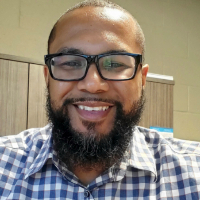
South Carolina · 11 yrs exp
Licensed Professional Counselor - Relationships and Intimacy
Stress, Anxiety · Family · Self esteem · Depression · +16 more
Read profile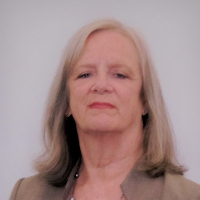
South Carolina · 20 yrs exp
Licensed Professional Counselor - Intimacy and Relationships
Stress, Anxiety · Grief · Self esteem · Depression · +7 more
Read profile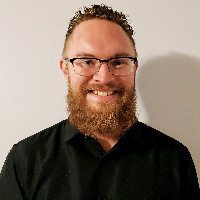
South Carolina · 10 yrs exp
Licensed Professional Counselor - Relationships and Addictions
Stress, Anxiety · Addictions · Relationship · Depression · +10 more
Read profile
South Carolina · 6 yrs exp
Licensed Professional Counselor - Relationships and Intimacy
Stress, Anxiety · Relationship · Trauma and abuse · Self esteem · +9 more
Read profile
South Carolina · 15 yrs exp
Licensed Professional Counselor - Anxiety and Addictions
Stress, Anxiety · Addictions · Trauma and abuse · Grief · +12 more
Read profile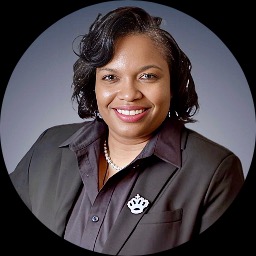
South Carolina · 15 yrs exp
Licensed Professional Counselor - Intimacy and Relationships
Stress, Anxiety · LGBT · Family · Trauma and abuse · +14 more
Read profile
South Carolina · 7 yrs exp
Licensed Professional Counselor - Relationships and Intimacy
Relationship · Family · Trauma and abuse · Intimacy-related issues · +8 more
Read profile
South Carolina · 17 yrs exp
Licensed counselor - relationships and mood
Stress, Anxiety · Relationship · Parenting · Depression · +11 more
Read profile
South Carolina · 24 yrs exp
LISW-CP - Relationship and life transitions
Stress, Anxiety · Relationship · Family · Grief · +8 more
Read profile
South Carolina · 10 yrs exp
Licensed Professional Counselor - Relationships and Stress
Stress, Anxiety · Relationship · Parenting · Career · +6 more
Read profile
South Carolina · 3 yrs exp
Licensed counselor - relationships and mental health
Stress, Anxiety · Addictions · Grief · Self esteem · +10 more
Read profile
South Carolina · 9 yrs exp
Dr. Sommer Garrett, LPC - Relationships and Trauma
Stress, Anxiety · Family · Trauma and abuse · Grief · +13 more
Read profile
South Carolina · 20 yrs exp
Licensed Professional Counselor - Relationships and Intimacy
Stress, Anxiety · LGBT · Relationship · Trauma and abuse · +14 more
Read profile
South Carolina · 12 yrs exp
Licensed Professional Counselor - Relationships and Intimacy
Stress, Anxiety · Relationship · Parenting · Depression · +10 more
Read profile
South Carolina · 26 yrs exp
LISW-CP - Intimacy and trauma concerns
Stress, Anxiety · Trauma and abuse · Intimacy-related issues · Depression · +11 more
Read profile
South Carolina · 6 yrs exp
LISW-CP in South Carolina - Relationship and Intimacy concerns
Stress, Anxiety · Trauma and abuse · Anger · Depression · +10 more
Read profile
South Carolina · 9 yrs exp
Licensed counselor - Intimacy and relationships
Stress, Anxiety · Addictions · Trauma and abuse · Self esteem · +13 more
Read profile
South Carolina · 20 yrs exp
Dr. Valerie Glass, LMFT - Relationships and Intimacy
Stress, Anxiety · LGBT · Relationship · Family · +15 more
Read profile
South Carolina · 17 yrs exp
Dr. Damien Johnson - LPC LCMHC, intimacy and relationship concerns
Stress, Anxiety · Addictions · Relationship · Trauma and abuse · +10 more
Read profile
South Carolina · 5 yrs exp
Licensed Professional Counselor - Intimacy and Anxiety
Stress, Anxiety · Relationship · Grief · Depression · +10 more
Read profile
South Carolina · 15 yrs exp
Licensed Professional Counselor - Intimacy and Relationship Concerns
Stress, Anxiety · Addictions · Relationship · Family · +14 more
Read profile
South Carolina · 10 yrs exp
Licensed Professional Counselor - Relationships and Intimacy
Stress, Anxiety · Relationship · Family · Grief · +11 more
Read profile
South Carolina · 8 yrs exp
Licensed Professional Counselor - Intimacy and Anxiety
Stress, Anxiety · Trauma and abuse · Anger · Self esteem · +12 more
Read profile
South Carolina · 6 yrs exp
Licensed Professional Counselor - Anxiety and Relationships
Stress, Anxiety · Relationship · Trauma and abuse · Bipolar · +7 more
Read profile
South Carolina · 6 yrs exp
Licensed social worker - relationships and coping
Stress, Anxiety · Family · Trauma and abuse · Self esteem · +11 more
Read profile
South Carolina · 21 yrs exp
Licensed Professional Counselor - Relationships and Intimacy
Relationship · Family · Trauma and abuse · Anger · +11 more
Read profile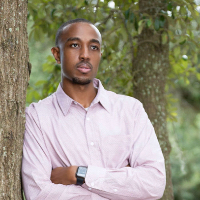
South Carolina · 10 yrs exp
Licensed Professional Counselor - Intimacy and Relationships
Stress, Anxiety · Trauma and abuse · Parenting · Depression · +8 more
Read profile
South Carolina · 8 yrs exp
Licensed counselor - relationships and trauma
Stress, Anxiety · Relationship · Family · Trauma and abuse · +12 more
Read profile
South Carolina · 6 yrs exp
Licensed counselor - Relationships and trauma
Stress, Anxiety · Relationship · Family · Trauma and abuse · +12 more
Read profile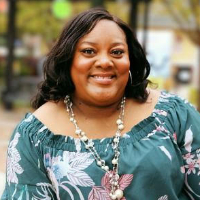
South Carolina · 15 yrs exp
Licensed Professional Counselor - Relationships and Intimacy
Stress, Anxiety · Trauma and abuse · Anger · Self esteem · +13 more
Read profile
South Carolina · 5 yrs exp
LMFT - Relationships and Intimacy Issues
Stress, Anxiety · Relationship · Trauma and abuse · Intimacy-related issues · +1 more
Read profile
South Carolina · 18 yrs exp
Licensed Professional Counselor - Intimacy and Addiction concerns
Stress, Anxiety · Addictions · Relationship · Trauma and abuse · +9 more
Read profile
South Carolina · 28 yrs exp
Licensed Professional Counselor - Relationships and Intimacy
Relationship · Grief · Intimacy-related issues · Parenting · +9 more
Read profile
South Carolina · 10 yrs exp
Licensed Professional Counselor - Relationships and Mood
Stress, Anxiety · Anger · Self esteem · Coping with life changes · +13 more
Read profile
South Carolina · 24 yrs exp
Licensed Professional Counselor - Relationships and Intimacy
Stress, Anxiety · Relationship · Self esteem · Depression · +14 more
Read profile
South Carolina · 14 yrs exp
Licensed Professional Counselor - Relationships and Anxiety
Stress, Anxiety · Relationship · Family · Self esteem · +10 more
Read profile
South Carolina · 22 yrs exp
Licensed counselor - Intimacy and relationships
Stress, Anxiety · Addictions · Trauma and abuse · Grief · +10 more
Read profile
South Carolina · 33 yrs exp
Licensed counselor - relationships and intimacy
Stress, Anxiety · Relationship · Family · Career · +10 more
Read profile
South Carolina · 6 yrs exp
Licensed Professional Counselor - Relationships and Intimacy
Stress, Anxiety · Relationship · Trauma and abuse · Anger · +14 more
Read profile
South Carolina · 9 yrs exp
Licensed counselor - Intimacy and relationships
Stress, Anxiety · Addictions · Relationship · Grief · +11 more
Read profile
South Carolina · 13 yrs exp
LPC counselor - relationships and anxiety
Stress, Anxiety · Trauma and abuse · Grief · Parenting · +11 more
Read profile
South Carolina · 25 yrs exp
LPC counselor - relationships and stress
Stress, Anxiety · Relationship · Family · Sleeping · +14 more
Read profile
South Carolina · 11 yrs exp
LISW-CP in South Carolina - Intimacy and trauma support
Stress, Anxiety · Trauma and abuse · Self esteem · Coping with life changes · +11 more
Read profile
South Carolina · 5 yrs exp
Licensed Professional Counselor - Intimacy and Relationship concerns
Stress, Anxiety · LGBT · Relationship · Family · +14 more
Read profile
South Carolina · 25 yrs exp
Licensed Professional Counselor - relationships and trauma
Stress, Anxiety · Addictions · Relationship · Family · +9 more
Read profile
South Carolina · 23 yrs exp
Licensed Professional Counselor - Intimacy and Addictions
Stress, Anxiety · Addictions · LGBT · Trauma and abuse · +11 more
Read profile
South Carolina · 6 yrs exp
LISW - Relationships and Intimacy Support
Stress, Anxiety · Addictions · Parenting · Bipolar · +8 more
Read profile
South Carolina · 8 yrs exp
Licensed Professional Counselor - Relationships and Intimacy
Stress, Anxiety · Relationship · Self esteem · Depression · +8 more
Read profile
South Carolina · 19 yrs exp
Licensed Professional Counselor - Intimacy and mood concerns
Stress, Anxiety · Addictions · Family · Bipolar · +14 more
Read profile
South Carolina · 32 yrs exp
Dr. Crystal Brown-Voeltz - LCSW, LISW-CP, South Carolina
Stress, Anxiety · Self esteem · Depression · Coping with life changes · +9 more
Read profile
South Carolina · 9 yrs exp
Licensed social worker - Relationships and stress
Stress, Anxiety · Relationship · Family · Grief · +11 more
Read profile
South Carolina · 7 yrs exp
Licensed Professional Counselor - Relationships and Intimacy
Stress, Anxiety · Self esteem · Depression · Coping with life changes · +9 more
Read profileIf you are noticing emotional distance, difficulty trusting a partner, trouble expressing affection or fear about being vulnerable, you are not alone in seeking help. Many people look for guidance when patterns of withdrawal, criticism, or avoidance interfere with connection. You can use therapy profiles to find professionals who list intimacy and closeness among their specialties and who describe experience working with relationship strain, communication blocks, or mismatched desire for closeness. A specialty listing is an indication they work with these topics, not a guarantee of a specific credential or a particular treatment outcome.
It is also important to consider physical factors that can affect intimacy. If you are experiencing pain, changes in libido that seem related to health conditions, or other physical symptoms, speak with a medical doctor to rule out or manage medical causes before or while pursuing psychological care.
As you review profiles, think about the concrete changes you want - for example, better communication about needs, rebuilding trust after a breach, or learning to express affection in ways that feel safe to both partners. These goals will help you compare profiles and frame questions when you contact a therapist.
Profiles show a listed location of South Carolina when that is the place the therapist has recorded. A listed location does not by itself mean an office is available in that city, nor does it prove a current license or registration in that state. You should check each individual profile and confirm permission to work together where you live before proceeding. For clinicians who are outside the United States, profiles may note professional registration or membership in UK or Australian bodies rather than a US-style state license. In the United States you will commonly see degrees and state license types noted separately - degrees such as PhD, PsyD, MD, MA or MSW indicate academic or clinical education, while licensure in a state grants legal permission to practice independently. A degree alone does not mean a clinician holds a current license.
When you read a profile, look for clear statements about where the clinician is permitted to offer care, and whether they list telehealth or in-person work for the listed location. The directory groups profiles by listed location to help you start your search, but confirming jurisdiction, registration, or licensure directly with the clinician is an important next step.
Preparing specific questions will make initial conversations more useful. Ask how the clinician describes their work with intimacy and closeness, and whether they list particular approaches among their options. Rather than assuming a method, you can say: "I notice you list X among your approaches - how do you typically work with clients on intimacy concerns using that approach?" Ask about the clinician's experience with issues similar to yours, for example rebuilding trust after infidelity, coping with mismatched desire, or working with attachment-related patterns. Request examples of the kinds of strategies they explore in sessions, and how they adapt those strategies for different relationship configurations without assuming that a specialty listing establishes a particular certification.
Inquire about whether they work with individuals, partners, or families if that matters to you. A listing that includes intimacy does not establish that couples sessions are required or that partners must attend. If sexual function or physical symptoms are part of your concern, ask how the clinician coordinates with medical providers and whether they suggest consulting a doctor for medical evaluation. Concrete questions about logistics are useful too - ask about session length, typical frequency, and how progress is discussed - phrasing these as inquiries about process and fit rather than promises about outcomes.
If you are considering remote sessions from South Carolina, have a frank conversation about where the clinician is authorized to practice. Many regions require clinicians to be authorized in the state or country where you are physically located when you receive telehealth services. Ask the clinician to confirm in writing that they have permission to work with you where you live. Discuss technology expectations, for example what platform is used, what to do if a session is interrupted, and any privacy measures you prefer for your setting at home. You should also discuss emergency planning - ask how the clinician handles crisis situations and what local resources they would recommend for urgent needs in South Carolina.
Talk about boundaries and the role of partners if applicable. If you prefer individual sessions focused on personal experience before involving a partner, say so. If you want couples work, ask how the clinician typically balances individual concerns and shared sessions. Clarify how sensitive topics around sexuality and intimacy are approached and how the clinician ensures a respectful, culturally aware conversation that fits your values and comfort level.
When you compare profiles, look beyond headlines to the details that matter for your situation. Focus areas describe the kinds of problems a clinician lists, such as communication, trauma-related barriers to closeness, or desire differences. Read the narrative descriptions to understand how they frame those issues. Languages spoken are practical - if you prefer to speak in a language other than English, find a profile that lists that language and asks how language and cultural context are integrated into sessions.
Consider credentials in context. A profile may list educational degrees alongside license types or professional memberships. Treat degrees as indicators of training background and licensure or registration as indications of permission to practice in certain jurisdictions. For clinicians from the UK or Australia, look for mentions of professional registration or membership rather than assuming US-style licensing. Also pay attention to descriptions of therapeutic style - some clinicians emphasize active, skills-based work while others emphasize reflective exploration of patterns and history - and ask how that style might map onto your goals for intimacy and closeness.
Finally, think about fit in practical terms. A clinician whose profile demonstrates familiarity with your cultural background, sexual orientation, relationship structure, or specific life circumstances may feel more relatable. Use the profile summaries to narrow options and then reach out with the targeted questions you prepared. Remember to check the individual profile for statements about location and to confirm permission to work together where you live before scheduling an initial consultation. This step helps ensure that the person you choose is positioned to meet both your emotional needs and the logistical requirements of providing care in South Carolina.
Chronic Illness
862 therapists
Control Issues
2509 therapists
Depression
5256 therapists
Domestic Violence
1664 therapists
Guilt and Shame
3566 therapists
Intimacy Issues
5708 therapists
Isolation / Loneliness
3185 therapists
Midlife Crisis
2067 therapists
Post-Traumatic Stress
2880 therapists
Postpartum Depression
1331 therapists
Self Esteem
5305 therapists
Social Anxiety and Phobia
3068 therapists
Stress & Anxiety
5481 therapists
Trauma and Abuse
4940 therapists
Abandonment
2380 therapists
Attachment Issues
2681 therapists
Blended Family Issues
1852 therapists
Body Image
1859 therapists
Codependency
2323 therapists
Commitment Issues
2011 therapists
Communication Problems
3781 therapists
Coping with Life Changes
5091 therapists
Divorce
2838 therapists
Family of Origin Issues
1731 therapists
Fertility Issues
611 therapists
Forgiveness
3155 therapists
Infidelity
2056 therapists
Jealousy
1853 therapists
Non-Monogamous Relationships
938 therapists
Physical Intimacy Concerns
563 therapists
Pregnancy
1090 therapists
Relationship
5462 therapists
Self-Love
3600 therapists