
Dr. Steven Hurley
IL Psychologist 071007009Illinois · 19 yrs exp
Illinois psychologist - intimacy and relationships
Stress, Anxiety · LGBT · Relationship · Trauma and abuse · +9 more
Read profileTherapist listings are provided by BetterHelp. We will earn a commission at no additional cost to you if you use our links to purchase.
Browse therapists who list Stress & Anxiety alongside intimacy and closeness concerns and compare how they describe their focus and approaches. Use listed location, credentials, languages and profile summaries to narrow your search and read profiles that match what you need.
Illinois · 19 yrs exp
Illinois psychologist - intimacy and relationships
Stress, Anxiety · LGBT · Relationship · Trauma and abuse · +9 more
Read profile
California · 14 yrs exp
Licensed counselor - relationships and intimacy
Stress, Anxiety · Relationship · Family · Intimacy-related issues · +9 more
Read profile
Texas · 13 yrs exp
LCSW - Relationships and Intimacy
Stress, Anxiety · Relationship · Trauma and abuse · Anger · +11 more
Read profile
Missouri · 23 yrs exp
Licensed Professional Counselor - Intimacy and Addictions
Stress, Anxiety · Addictions · Trauma and abuse · Career · +10 more
Read profile
Oregon · 17 yrs exp
LPC and LCPC - relationships and mood concerns
Stress, Anxiety · Anger · Self esteem · Career · +12 more
Read profile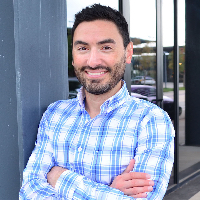
Kansas · 15 yrs exp
Licensed counselor - intimacy and relationships
Stress, Anxiety · Relationship · Family · Trauma and abuse · +14 more
Read profile
Texas · 25 yrs exp
Licensed Professional Counselor - Relationships and Intimacy
Stress, Anxiety · Relationship · Parenting · Anger · +8 more
Read profile
New Jersey · 15 yrs exp
Licensed Clinical Social Worker - Intimacy and Relationships
Stress, Anxiety · Family · Trauma and abuse · Parenting · +10 more
Read profile
South Carolina · 25 yrs exp
Licensed Professional Counselor - Relationships and Intimacy
Relationship · Family · Intimacy-related issues · Parenting · +7 more
Read profile
North Carolina · 51 yrs exp
LCMHC - Relationships and Intimacy
Relationship · Intimacy-related issues · Parenting · Self esteem · +12 more
Read profile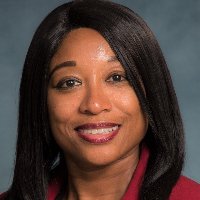
Georgia · 8 yrs exp
Dr. Vivia Hill-Silcott, LPC - Relationships and Intimacy
Stress, Anxiety · Relationship · Family · Grief · +11 more
Read profile
Kentucky · 18 yrs exp
Licensed Marriage and Family Therapist - Relationships and Intimacy
LGBT · Relationship · Family · Self esteem · +14 more
Read profile
New York · 9 yrs exp
LMHC - Intimacy and Relationship Concerns
Addictions · LGBT · Intimacy-related issues · Depression · +9 more
Read profile
Florida · 10 yrs exp
Licensed counselor - Relationships and Intimacy
Stress, Anxiety · Addictions · Anger · Depression · +12 more
Read profile
Florida · 25 yrs exp
Licensed Mental Health Counselor - Relationships and Trauma
Relationship · Trauma and abuse · Grief · Anger · +12 more
Read profile
New Jersey · 5 yrs exp
Licensed Professional Counselor - Relationships and Intimacy
Stress, Anxiety · Relationship · Family · Anger · +12 more
Read profile
Florida · 7 yrs exp
Licensed counselor - relationships and addiction
Addictions · Relationship · Family · Trauma and abuse · +13 more
Read profile
Illinois · 25 yrs exp
Licensed Clinical Social Worker - Relationships and Mood
Stress, Anxiety · Relationship · Grief · Depression · +10 more
Read profile
California · 12 yrs exp
LMFT - Relationships and Intimacy
Stress, Anxiety · Family · Parenting · Self esteem · +8 more
Read profile
New York · 5 yrs exp
Licensed Mental Health Counselor - Relationships and Intimacy
Stress, Anxiety · LGBT · Trauma and abuse · Bipolar · +12 more
Read profile
Michigan · 5 yrs exp
Licensed Professional Counselor - Relationships and Intimacy
Stress, Anxiety · Relationship · Family · Self esteem · +12 more
Read profile
New York · 15 yrs exp
Licensed counselor - Intimacy and relationships
Stress, Anxiety · Trauma and abuse · Grief · Self esteem · +16 more
Read profile
Rhode Island · 18 yrs exp
LMHC - Anxiety and Relationship concerns
Stress, Anxiety · Relationship · Trauma and abuse · Grief · +12 more
Read profile
Pennsylvania · 12 yrs exp
Licensed counselor - relationships and anxiety
Stress, Anxiety · Relationship · Self esteem · Depression · +11 more
Read profile
Arizona · 6 yrs exp
Licensed Professional Counselor - Relationships and Stress
Stress, Anxiety · Relationship · Family · Self esteem · +11 more
Read profile
Hawaii · 7 yrs exp
LMFT - Relationships and Intimacy support
Stress, Anxiety · Addictions · Relationship · Family · +11 more
Read profile
North Carolina · 10 yrs exp
Licensed clinical social worker - relationships and anxiety
Stress, Anxiety · Relationship · Family · Bipolar · +16 more
Read profile
Florida · 15 yrs exp
Licensed Clinical Social Worker - Relationships and Intimacy
Relationship · Family · Intimacy-related issues · Coaching · +4 more
Read profile
Florida · 17 yrs exp
Licensed mental health counselor - Relationships and intimacy
Stress, Anxiety · Addictions · Relationship · Family · +14 more
Read profile
Louisiana · 10 yrs exp
Licensed Professional Counselor - Relationships and Intimacy
Stress, Anxiety · Relationship · Family · Depression · +12 more
Read profile
Michigan · 45 yrs exp
Licensed counselor - Intimacy and addictions
Stress, Anxiety · Addictions · Trauma and abuse · Grief · +10 more
Read profile
Texas · 10 yrs exp
Licensed Professional Counselor - Relationships and Intimacy
Relationship · Family · Anger · Self esteem · +12 more
Read profile
Minnesota · 23 yrs exp
Licensed marriage and family therapist - Relationships and Intimacy
Stress, Anxiety · Relationship · Trauma and abuse · Self esteem · +13 more
Read profile
Florida · 3 yrs exp
LMHC - Relationship and intimacy concerns
Stress, Anxiety · Addictions · LGBT · Relationship · +12 more
Read profile
Pennsylvania · 16 yrs exp
Licensed Counselor - Relationships and Intimacy
Stress, Anxiety · Relationship · Family · Trauma and abuse · +11 more
Read profile
Florida · 30 yrs exp
Dr. Robert Nolan, LMHC - Mood and relationship concerns
Stress, Anxiety · Trauma and abuse · Bipolar · Depression · +16 more
Read profile
Louisiana · 22 yrs exp
Licensed counselor and marriage therapist - relationships and mood
Stress, Anxiety · Relationship · Family · Grief · +11 more
Read profile
North Carolina · 10 yrs exp
Licensed counselor - Relationships and stress
Stress, Anxiety · Relationship · Family · Trauma and abuse · +12 more
Read profile
Wisconsin · 23 yrs exp
Licensed Professional Counselor - Intimacy and Relationships
Stress, Anxiety · Trauma and abuse · Eating · Bipolar · +13 more
Read profile
Colorado · 11 yrs exp
Licensed Professional Counselor - intimacy and relationships
Stress, Anxiety · LGBT · Trauma and abuse · Anger · +15 more
Read profile
North Carolina · 20 yrs exp
Licensed counselor - Relationships and intimacy
Stress, Anxiety · Relationship · Family · Self esteem · +9 more
Read profile
North Carolina · 18 yrs exp
Dr. Shelia Williamson Collins - LPC LCPC, relationships and addictions
Stress, Anxiety · Addictions · Trauma and abuse · Anger · +13 more
Read profile
South Carolina · 20 yrs exp
Licensed social worker - relationships and anxiety
Stress, Anxiety · Relationship · Self esteem · Depression · +10 more
Read profile
Texas · 22 yrs exp
Dr. Ngozi Okose - LPC, relationships and intimacy
Stress, Anxiety · Relationship · Trauma and abuse · Depression · +16 more
Read profile
Kentucky · 11 yrs exp
Licensed Marriage and Family Therapist - Relationships and Intimacy
Stress, Anxiety · Relationship · Family · Self esteem · +9 more
Read profile
Georgia · 19 yrs exp
Licensed Professional Counselor - Relationships and Intimacy
Stress, Anxiety · Addictions · Trauma and abuse · Self esteem · +11 more
Read profile
Louisiana · 20 yrs exp
LMFT LPC - Relationships and Emotional Health
Stress, Anxiety · Addictions · Eating · Depression · +14 more
Read profile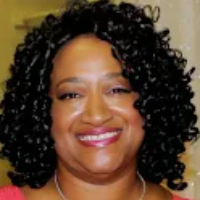
North Carolina · 13 yrs exp
Licensed counselor - relationships and mood
Stress, Anxiety · Trauma and abuse · Anger · Self esteem · +14 more
Read profile
Nebraska · 14 yrs exp
LIMHP in Nebraska - Intimacy and mood concerns
Stress, Anxiety · Grief · Bipolar · Depression · +13 more
Read profile
Pennsylvania · 12 yrs exp
Licensed Professional Counselor - relationships and intimacy
Stress, Anxiety · LGBT · Relationship · Self esteem · +8 more
Read profile
Mississippi · 12 yrs exp
Licensed Clinical Social Worker - Intimacy and Relationships
Stress, Anxiety · Addictions · Anger · Self esteem · +12 more
Read profile
Florida · 10 yrs exp
Licensed Mental Health Counselor - Relationships and Intimacy
Stress, Anxiety · Family · Parenting · Self esteem · +10 more
Read profile
Alabama · 15 yrs exp
Licensed Professional Counselor - Intimacy and emotional health
Stress, Anxiety · Addictions · Relationship · Family · +12 more
Read profile
Virginia · 14 yrs exp
Licensed Professional Counselor - Trauma and Relationships
Trauma and abuse · Grief · Coping with life changes · Compassion fatigue · +12 more
Read profile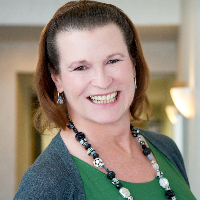
Colorado · 34 yrs exp
Dr. Rhoda Lipscomb - LPC, intimacy and sexual health
Stress, Anxiety · LGBT · Relationship · Intimacy-related issues · +8 more
Read profile
Texas · 18 yrs exp
Licensed Professional Counselor - Intimacy and Relationships
Stress, Anxiety · Relationship · Family · Parenting · +9 more
Read profile
Nevada · 20 yrs exp
LCPC, LMHC - Relationships and Intimacy
Stress, Anxiety · Addictions · Relationship · Family · +15 more
Read profile
Florida · 20 yrs exp
Licensed counselor - relationships and addictions
Stress, Anxiety · Addictions · Relationship · Trauma and abuse · +15 more
Read profile
Texas · 33 yrs exp
Licensed Clinical Social Worker - Relationships and Intimacy
Stress, Anxiety · Relationship · Family · Self esteem · +11 more
Read profile
Michigan · 25 yrs exp
LMSW in Michigan - Relationship and intimacy concerns
Stress, Anxiety · Family · Trauma and abuse · Parenting · +10 more
Read profileIf you are looking because stress or anxiety is changing how you connect, you are not alone in wanting to understand what is happening and how to move forward. You might notice that worry, tension, hypervigilance or avoidance make it harder to be open, affectionate or vulnerable. You may find yourself pulling away when you want to get closer, or feeling overwhelmed by fear about intimacy, trust or emotional safety. Some people come to these concerns after a life transition, loss, health problem or a period of intense work-related pressure, while others notice patterns that have built up over many years.
Whatever brings you here, the profiles on this page group professionals who list Stress & Anxiety as a focus alongside intimacy and relational closeness. That combination can be helpful when you want a practitioner who mentions both concerns, but a listed focus does not mean a therapist specializes exclusively in one area or that a partner must attend sessions. Read profile summaries to see how practitioners describe their emphasis, populations, and ways of working so you can find someone who aligns with what you want to address.
You may be wondering whether your anxiety causes distance in a relationship or whether distance feeds anxiety. The relationship between these experiences can go in either direction or exist as a complex back-and-forth. For instance, persistent worry about rejection can make you less willing to take emotional risks, which in turn can reduce feelings of closeness. Alternatively, ongoing stress from work or health issues can make it harder to be present with a partner, which may create friction or misunderstanding. It is also possible that early attachment experiences shape how you respond to stress now, affecting trust and emotional availability.
On this directory page you will find profiles of clinicians who list both intimacy-related concerns and stress or anxiety among their areas of focus. That means you can look for someone who acknowledges how these topics intersect. When you read profiles, look for language that reflects an interest in relational patterns, emotional regulation, or communication skills rather than assuming a single cause. This approach helps you find a professional who frames your concerns in a way that matches your experience, whether you want help with daily anxiety symptoms, improving emotional connection, or both together.
When you read a profile or prepare to contact a therapist, having concrete questions helps you compare how practitioners describe their work. You might ask how they define their focus on stress versus anxiety and how that focus connects to intimacy and closeness. A useful question is how they describe the balance between teaching coping practices and exploring relationship patterns, and whether they typically work with individual clients who bring relational topics or with people who want to include a partner.
Ask which approaches are listed on their profile and how those approaches are used in sessions. For example, some profiles may list cognitive-behavioral ideas, mindfulness-based approaches, psychodynamic perspectives, somatic methods, or interpersonal frameworks. Phrase your question so it reflects the directory language, such as asking whether they incorporate approaches you read about on the profile, rather than assuming training or certification. You can also inquire about clinical experience with particular themes that matter to you, like trauma history, attachment concerns, or health-related anxiety, and ask how they tailor their work to different life stages and cultural backgrounds.
If you are considering remote sessions or in-person meetings, there are practical topics to cover before you begin. You may want to ask how they work with people who prefer video, phone, or in-person meetings and what to expect in the first few conversations. It is reasonable to ask what kinds of communication outside sessions they use for scheduling or brief questions, and how they handle boundaries around time and contact. If physical symptoms accompany your anxiety, consider asking their view on when to consult a medical provider, since some symptoms may warrant a medical check.
Before you start, discuss what a typical session focuses on for someone with your concerns. Would early sessions prioritize symptom management, building emotional safety, improving communication, or exploring past patterns that affect closeness? Talking about these expectations gives you a clearer sense of fit. If language is important to you, verify whether sessions are offered in your preferred language as listed on a profile and ask how cultural context is incorporated into their work. You should also ask about the professional credentials or registrations they mention and what those credentials mean in the listed location, since titles and requirements vary between the United States, the United Kingdom and Australia.
Profiles are a starting point for comparison, not a guarantee of method or outcome. To make meaningful comparisons, read how each therapist frames the issues you care about and note differences in emphasis. Some profiles will foreground symptom-focused strategies for stress and anxiety, while others describe a stronger emphasis on relational patterns and closeness. Pay attention to wording - profiles that mention exploring attachment or communication may approach intimacy differently than those that emphasize techniques for managing worry. Think about which language resonates with how you understand your own needs.
Look at listed languages and cultural experience to see whether a therapist speaks your preferred language or mentions cultural contexts that matter to you. When considering credentials, remember that academic degrees like PhD, PsyD, MD, MA or MSW describe education, while licenses, registrations or professional memberships indicate practice permissions or affiliations in a jurisdiction. In the United States you may see state licenses such as LCSW, LMFT or LPC listed; in the United Kingdom and Australia you may see registration or membership with national bodies. It is reasonable to ask practitioners to explain what their credentials mean where they practice so you can understand their professional standing in the listed location.
Finally, take note of each therapist's described style. Some profiles emphasize practical, skills-based work and short-term goals, while others describe deeper exploration of emotional history and relational dynamics. Neither style is inherently better; the important question is which approach fits what you want to address. Use the profile summaries, sample questions and the information above to choose a few practitioners whose descriptions match your priorities, and then reach out to learn more directly from the profiles you select.
Alabama
66 therapists
Alaska
10 therapists
Arizona
62 therapists
Arkansas
26 therapists
Australia
68 therapists
California
338 therapists
Colorado
108 therapists
Connecticut
39 therapists
Delaware
15 therapists
District of Columbia
15 therapists
Florida
500 therapists
Georgia
171 therapists
Hawaii
23 therapists
Idaho
20 therapists
Illinois
160 therapists
Indiana
81 therapists
Iowa
23 therapists
Kansas
37 therapists
Kentucky
55 therapists
Louisiana
115 therapists
Maine
15 therapists
Maryland
72 therapists
Massachusetts
51 therapists
Michigan
156 therapists
Minnesota
62 therapists
Mississippi
43 therapists
Missouri
149 therapists
Montana
24 therapists
Nebraska
27 therapists
Nevada
28 therapists
New Hampshire
18 therapists
New Jersey
120 therapists
New Mexico
28 therapists
New York
240 therapists
North Carolina
195 therapists
North Dakota
5 therapists
Ohio
112 therapists
Oklahoma
86 therapists
Oregon
33 therapists
Pennsylvania
158 therapists
Rhode Island
10 therapists
South Carolina
98 therapists
South Dakota
11 therapists
Tennessee
76 therapists
Texas
512 therapists
United Kingdom
1151 therapists
Utah
42 therapists
Vermont
9 therapists
Virginia
87 therapists
Washington
64 therapists
West Virginia
15 therapists
Wisconsin
68 therapists
Wyoming
13 therapists