
Dr. Steven Hurley
IL Psychologist 071007009Illinois · 19 yrs exp
Illinois psychologist - intimacy and relationships
Stress, Anxiety · LGBT · Relationship · Trauma and abuse · +9 more
Read profileTherapist listings are provided by BetterHelp. We will earn a commission at no additional cost to you if you use our links to purchase.
This page groups profiles of therapists who list commitment issues among their specialties, allowing you to compare focus areas, approaches, credentials, languages and listed location. Browse profiles to review each professional's description and contact them to learn more about their approach and practice.
Illinois · 19 yrs exp
Illinois psychologist - intimacy and relationships
Stress, Anxiety · LGBT · Relationship · Trauma and abuse · +9 more
Read profile
California · 14 yrs exp
Licensed counselor - relationships and intimacy
Stress, Anxiety · Relationship · Family · Intimacy-related issues · +9 more
Read profile
Texas · 13 yrs exp
LCSW - Relationships and Intimacy
Stress, Anxiety · Relationship · Trauma and abuse · Anger · +11 more
Read profile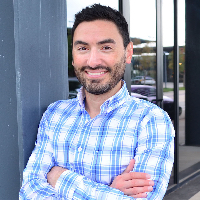
Kansas · 15 yrs exp
Licensed counselor - intimacy and relationships
Stress, Anxiety · Relationship · Family · Trauma and abuse · +14 more
Read profile
North Carolina · 51 yrs exp
LCMHC - Relationships and Intimacy
Relationship · Intimacy-related issues · Parenting · Self esteem · +12 more
Read profile
Kentucky · 18 yrs exp
Licensed Marriage and Family Therapist - Relationships and Intimacy
LGBT · Relationship · Family · Self esteem · +14 more
Read profile
Florida · 7 yrs exp
Licensed counselor - relationships and addiction
Addictions · Relationship · Family · Trauma and abuse · +13 more
Read profile
Michigan · 5 yrs exp
Licensed Professional Counselor - Relationships and Intimacy
Stress, Anxiety · Relationship · Family · Self esteem · +12 more
Read profile
Pennsylvania · 12 yrs exp
Licensed counselor - relationships and anxiety
Stress, Anxiety · Relationship · Self esteem · Depression · +11 more
Read profile
Arizona · 6 yrs exp
Licensed Professional Counselor - Relationships and Stress
Stress, Anxiety · Relationship · Family · Self esteem · +11 more
Read profile
North Carolina · 10 yrs exp
Licensed clinical social worker - relationships and anxiety
Stress, Anxiety · Relationship · Family · Bipolar · +16 more
Read profile
Florida · 15 yrs exp
Licensed Clinical Social Worker - Relationships and Intimacy
Relationship · Family · Intimacy-related issues · Coaching · +4 more
Read profile
Florida · 17 yrs exp
Licensed mental health counselor - Relationships and intimacy
Stress, Anxiety · Addictions · Relationship · Family · +14 more
Read profile
Louisiana · 10 yrs exp
Licensed Professional Counselor - Relationships and Intimacy
Stress, Anxiety · Relationship · Family · Depression · +12 more
Read profile
Minnesota · 23 yrs exp
Licensed marriage and family therapist - Relationships and Intimacy
Stress, Anxiety · Relationship · Trauma and abuse · Self esteem · +13 more
Read profile
Colorado · 11 yrs exp
Licensed Professional Counselor - intimacy and relationships
Stress, Anxiety · LGBT · Trauma and abuse · Anger · +15 more
Read profile
Texas · 22 yrs exp
Dr. Ngozi Okose - LPC, relationships and intimacy
Stress, Anxiety · Relationship · Trauma and abuse · Depression · +16 more
Read profile
Kentucky · 11 yrs exp
Licensed Marriage and Family Therapist - Relationships and Intimacy
Stress, Anxiety · Relationship · Family · Self esteem · +9 more
Read profile
Alabama · 15 yrs exp
Licensed Professional Counselor - Intimacy and emotional health
Stress, Anxiety · Addictions · Relationship · Family · +12 more
Read profile
Virginia · 14 yrs exp
Licensed Professional Counselor - Trauma and Relationships
Trauma and abuse · Grief · Coping with life changes · Compassion fatigue · +12 more
Read profile
Texas · 18 yrs exp
Licensed Professional Counselor - Intimacy and Relationships
Stress, Anxiety · Relationship · Family · Parenting · +9 more
Read profile
Florida · 20 yrs exp
Licensed counselor - relationships and addictions
Stress, Anxiety · Addictions · Relationship · Trauma and abuse · +15 more
Read profile
Texas · 33 yrs exp
Licensed Clinical Social Worker - Relationships and Intimacy
Stress, Anxiety · Relationship · Family · Self esteem · +11 more
Read profile
Michigan · 25 yrs exp
LMSW in Michigan - Relationship and intimacy concerns
Stress, Anxiety · Family · Trauma and abuse · Parenting · +10 more
Read profile
Ohio · 20 yrs exp
LISW in Ohio - Relationship and intimacy concerns
Stress, Anxiety · LGBT · Family · Grief · +16 more
Read profile
Arkansas · 23 yrs exp
Licensed Professional Counselor - Intimacy and Relationships
Stress, Anxiety · Trauma and abuse · Anger · Self esteem · +11 more
Read profile
Colorado · 5 yrs exp
LCSW in Colorado - Relationships and Intimacy
Stress, Anxiety · Relationship · Family · Trauma and abuse · +10 more
Read profile
Virginia · 13 yrs exp
Licensed Professional Counselor - Intimacy and Relationship Concerns
Stress, Anxiety · Anger · Self esteem · Depression · +9 more
Read profile
Illinois · 20 yrs exp
Licensed Clinical Social Worker - Intimacy and Relationships
Stress, Anxiety · Grief · Self esteem · Depression · +11 more
Read profile
Louisiana · 10 yrs exp
Licensed Professional Counselor - Relationships and Stress
Stress, Anxiety · Trauma and abuse · Anger · Self esteem · +12 more
Read profile
Oklahoma · 8 yrs exp
Licensed Professional Counselor - Relationships and Intimacy
Stress, Anxiety · Addictions · Self esteem · Depression · +11 more
Read profile
Michigan · 16 yrs exp
Licensed counselor - relationships and addiction
Stress, Anxiety · Addictions · Relationship · Parenting · +8 more
Read profile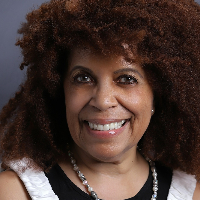
Tennessee · 15 yrs exp
Licensed Clinical Social Worker - Relationships and Intimacy
Stress, Anxiety · Relationship · Family · Self esteem · +9 more
Read profile
Georgia · 7 yrs exp
Licensed Marriage and Family Therapist - Relationships and Intimacy
Stress, Anxiety · Relationship · Intimacy-related issues · Anger · +11 more
Read profile
Oregon · 17 yrs exp
LMFT focusing on intimacy and trauma
Stress, Anxiety · Trauma and abuse · Grief · Intimacy-related issues · +1 more
Read profile
Kansas · 5 yrs exp
LCSW clinician - relationships and intimacy
Stress, Anxiety · Trauma and abuse · Anger · Self esteem · +11 more
Read profile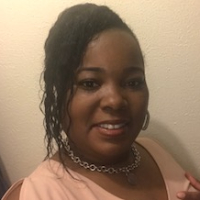
Louisiana · 10 yrs exp
Licensed Professional Counselor - Relationships and Intimacy
Stress, Anxiety · Trauma and abuse · Anger · Self esteem · +8 more
Read profile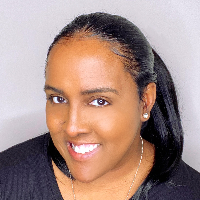
North Carolina · 20 yrs exp
Licensed Clinical Social Worker - Intimacy and Addictions
Stress, Anxiety · Addictions · Family · Career · +16 more
Read profile
Colorado · 13 yrs exp
LMFT - Relationships and Intimacy
Stress, Anxiety · LGBT · Relationship · Trauma and abuse · +10 more
Read profile
North Carolina · 20 yrs exp
Licensed counselor - Intimacy and mood concerns
Stress, Anxiety · Parenting · Self esteem · Depression · +15 more
Read profile
Texas · 11 yrs exp
Licensed Clinical Social Worker - Relationships and Intimacy
Stress, Anxiety · Relationship · Trauma and abuse · Self esteem · +5 more
Read profile
Texas · 5 yrs exp
LCSW counselor - intimacy and mood concerns
Self esteem · Career · Bipolar · Depression · +8 more
Read profile
Florida · 18 yrs exp
Dr. Nicole Thweatt, LMHC - Relationships and Mood Concerns
Stress, Anxiety · Parenting · Anger · Self esteem · +13 more
Read profile
Pennsylvania · 23 yrs exp
Licensed Professional Counselor - Intimacy and Addiction
Stress, Anxiety · Addictions · Trauma and abuse · Self esteem · +12 more
Read profile
Pennsylvania · 15 yrs exp
Licensed Professional Counselor - Relationship and Intimacy concerns
Stress, Anxiety · Relationship · Self esteem · Depression · +14 more
Read profile
Texas · 10 yrs exp
Licensed Professional Counselor - Relationships and Intimacy
Stress, Anxiety · Relationship · Family · Grief · +13 more
Read profile
Texas · 19 yrs exp
LPC focusing on relationships and intimacy
Stress, Anxiety · Relationship · Family · Trauma and abuse · +12 more
Read profile
Texas · 11 yrs exp
LPC therapist - relationships and anxiety
Stress, Anxiety · Relationship · Family · Self esteem · +13 more
Read profile
Alabama · 12 yrs exp
Licensed Professional Counselor - Relationships and Intimacy
Stress, Anxiety · Family · Anger · Self esteem · +13 more
Read profile
Texas · 8 yrs exp
Licensed Professional Counselor - Relationships and Intimacy
Stress, Anxiety · Addictions · Trauma and abuse · Self esteem · +11 more
Read profile
Texas · 17 yrs exp
Dr. Dora Whiteside - LPC Texas, mood and intimacy concerns
Stress, Anxiety · Addictions · Self esteem · Bipolar · +15 more
Read profile
Illinois · 9 yrs exp
Illinois LCPC - Intimacy and relationships
Stress, Anxiety · LGBT · Grief · Self esteem · +9 more
Read profile
Illinois · 3 yrs exp
LCSW focused on relationships and mental health
Stress, Anxiety · Addictions · LGBT · Relationship · +10 more
Read profile
Kentucky · 15 yrs exp
Licensed Clinical Social Worker - relationships and mood
Stress, Anxiety · Relationship · Parenting · Anger · +13 more
Read profile
Florida · 20 yrs exp
LCSW focusing on relationships and mental health
Stress, Anxiety · Relationship · Family · Trauma and abuse · +16 more
Read profile
California · 26 yrs exp
CA Psychologist - Relationships and Intimacy
Stress, Anxiety · Trauma and abuse · Grief · Self esteem · +13 more
Read profile
Connecticut · 16 yrs exp
LCSW - Intimacy and relationship concerns
Stress, Anxiety · Addictions · Family · Anger · +14 more
Read profile
Florida · 34 yrs exp
LMHC in Florida - Relationships and Intimacy
Stress, Anxiety · Relationship · Trauma and abuse · Grief · +9 more
Read profile
Delaware · 24 yrs exp
LMFT - Relationships and Intimacy
Relationship · Family · Trauma and abuse · Parenting · +14 more
Read profile
New York · 20 yrs exp
Licensed Mental Health Counselor - Relationships and Intimacy
Stress, Anxiety · Relationship · Family · Self esteem · +15 more
Read profileWhen you worry about commitment - either in your own choices or in a partner's signals - the result can feel like emotional distance, guardedness or a loss of warmth in the relationship. You may find yourself avoiding conversations about long-term plans, struggling to be vulnerable, or misreading affectionate gestures as inconsistent. These experiences can influence how close you feel to someone, and they often involve patterns of trust, timing and expectations rather than a single cause.
Your feelings about commitment can be shaped by many factors - past relationships, family models, personal priorities and life circumstances. If you notice physical symptoms tied to sexual function or persistent health concerns, it is appropriate to consult a doctor or relevant medical professional in addition to exploring relational support. Therapy can be a place to explore emotions, attachment patterns and communication habits that affect closeness, but a specialty listing on a profile does not guarantee a specific clinical credential or a particular approach. You should read profiles, including the listed location details, and ask directly about a clinician's scope and experience.
Commitment concerns and intimacy are closely connected in everyday life because both involve how you allow another person into your emotional world. Intimacy often means being known and showing vulnerability, while commitment touches on the readiness to make shared plans and accept interdependence. You might find that addressing one area helps the other - for example, clarifying expectations can reduce anxiety and make it easier to be open. At the same time, it is important not to assume a direct cause-and-effect link just because the terms appear together. Each person's situation is unique, and what widens closeness for one person may feel risky or constraining for another.
Profiles on this page group therapists who list commitment issues alongside other intimacy-related concerns. That grouping is meant to help you find professionals who describe this focus in their profile language, not to indicate a uniform model of care. Some therapists may emphasize communication skills, others may discuss attachment patterns, and others may list specific approaches among their tools. When you read a profile, pay attention to how the clinician frames commitment and intimacy - whether they describe working with individual values, partnered dynamics, or both - and use that framing to decide which profiles to explore further.
When you look at profiles, it helps to have concrete questions you can use to compare clinicians. You might ask: Do they list commitment issues or intimacy as a focus, and how do they describe that focus in plain language? What kinds of clients or relationship configurations do they typically work with - individuals, couples, or families - and does that match what you need? How do they explain the approaches they use in practice - for example, therapists who list EMDR among their approaches do so on their profile, but that listing is not evidence of formal certification. Ask how an approach is applied to commitment concerns and whether they adapt it to your goals.
Be specific about credentials and permission to practice. Ask what academic degree they hold - PhD, PsyD, MD, MA, MSW or other - and then ask what professional license, registration or membership authorizes practice in their jurisdiction. In the United States you can ask which state license they hold, while in the United Kingdom or Australia you can ask whether they are registered or hold membership in a relevant professional body. Remember that a degree alone does not establish current permission to practice. Other practical questions include how long they have worked with relationship issues, whether they work with the particular population you are coming from, and which languages they use in sessions.
If you are considering remote sessions, bring up specifics before you begin. Ask where the clinician is located and whether they are legally permitted to offer care to people in your state or country, since rules about cross-jurisdiction practice vary. Clarify what platform or tools they use and how your session data and personal information will be handled. Request a description of their emergency plan and how you will be supported if you need urgent help while participating from your listed location. If you have physical symptoms that relate to sexual health or other medical concerns, ask whether they recommend seeing a doctor or specialist as part of a broader plan of care.
Also discuss the format and participants. A specialty listing does not mean a therapist offers couples sessions or that a partner must attend. If you prefer individual work, ask whether the clinician frequently works alone with individuals on commitment issues or whether they typically invite partner involvement. If you are considering bringing a partner at some point, ask how transitions between individual and partnered work are handled. Finally, discuss practical matters such as session length, cancellation policies and how you will exchange messages between appointments, always keeping in mind that profiles may summarize these details and that direct conversation will clarify current practice.
When you compare profiles, try to read beyond a keyword to the way a therapist describes their work. Focus areas tell you what topics a clinician routinely lists, but the accompanying description shows how they conceptualize those topics. Look for language that explains whether they prioritize values clarification, communication skills, emotional processing, or behavioral steps. Consider what languages are offered if that is important to you, and whether the clinician mentions cultural or identity-informed experience that aligns with your needs.
Credentials and professional permission to practice are distinct. A profile may list an academic degree and may also note a license, registration or membership. In the United States you can ask which state license is held. In the United Kingdom and Australia you can ask whether the clinician is registered or holds membership in a professional association that pertains to their practice. Ask how long they have been working with intimacy or commitment concerns and what kinds of outcomes they typically focus on in therapy - for example, clearer plans, improved communication, or reduced anxiety about decision-making - while remembering that profiles do not promise outcomes.
Finally, pay attention to style and tone. Does the profile feel directive, exploratory or problem-solving in orientation? Do they describe using specific homework or practice between sessions, or do they emphasize reflective exploration? These cues can help you choose clinicians whose way of working fits how you prefer to engage. If a profile raises questions, contact the clinician to ask the concrete comparison questions you have compiled. Direct conversation will give you the clearest sense of whether a clinician's focus, language skills, credentials and style align with what you are looking for. A profile helps you narrow options, and an initial discussion helps you determine fit.
Alabama
66 therapists
Alaska
10 therapists
Arizona
62 therapists
Arkansas
26 therapists
Australia
68 therapists
California
338 therapists
Colorado
108 therapists
Connecticut
39 therapists
Delaware
15 therapists
District of Columbia
15 therapists
Florida
500 therapists
Georgia
171 therapists
Hawaii
23 therapists
Idaho
20 therapists
Illinois
160 therapists
Indiana
81 therapists
Iowa
23 therapists
Kansas
37 therapists
Kentucky
55 therapists
Louisiana
115 therapists
Maine
15 therapists
Maryland
72 therapists
Massachusetts
51 therapists
Michigan
156 therapists
Minnesota
62 therapists
Mississippi
43 therapists
Missouri
149 therapists
Montana
24 therapists
Nebraska
27 therapists
Nevada
28 therapists
New Hampshire
18 therapists
New Jersey
120 therapists
New Mexico
28 therapists
New York
240 therapists
North Carolina
195 therapists
North Dakota
5 therapists
Ohio
112 therapists
Oklahoma
86 therapists
Oregon
33 therapists
Pennsylvania
158 therapists
Rhode Island
10 therapists
South Carolina
98 therapists
South Dakota
11 therapists
Tennessee
76 therapists
Texas
512 therapists
United Kingdom
1151 therapists
Utah
42 therapists
Vermont
9 therapists
Virginia
87 therapists
Washington
64 therapists
West Virginia
15 therapists
Wisconsin
68 therapists
Wyoming
13 therapists