
Dr. Steven Hurley
IL Psychologist 071007009Illinois · 19 yrs exp
Illinois psychologist - intimacy and relationships
Stress, Anxiety · LGBT · Relationship · Trauma and abuse · +9 more
Read profileTherapist listings are provided by BetterHelp. We will earn a commission at no additional cost to you if you use our links to purchase.
Compare profiles for therapists who list Women's Issues alongside intimacy-related concerns by focus areas, approaches, languages, and listed location. Browse the profiles to learn about credentials, experience, and therapeutic style so you can identify practitioners to contact about your needs.
Illinois · 19 yrs exp
Illinois psychologist - intimacy and relationships
Stress, Anxiety · LGBT · Relationship · Trauma and abuse · +9 more
Read profile
California · 14 yrs exp
Licensed counselor - relationships and intimacy
Stress, Anxiety · Relationship · Family · Intimacy-related issues · +9 more
Read profile
Texas · 13 yrs exp
LCSW - Relationships and Intimacy
Stress, Anxiety · Relationship · Trauma and abuse · Anger · +11 more
Read profile
Texas · 25 yrs exp
Licensed Professional Counselor - Relationships and Intimacy
Stress, Anxiety · Relationship · Parenting · Anger · +8 more
Read profile
Kentucky · 18 yrs exp
Licensed Marriage and Family Therapist - Relationships and Intimacy
LGBT · Relationship · Family · Self esteem · +14 more
Read profile
Florida · 25 yrs exp
Licensed Mental Health Counselor - Relationships and Trauma
Relationship · Trauma and abuse · Grief · Anger · +12 more
Read profile
Florida · 7 yrs exp
Licensed counselor - relationships and addiction
Addictions · Relationship · Family · Trauma and abuse · +13 more
Read profile
Illinois · 25 yrs exp
Licensed Clinical Social Worker - Relationships and Mood
Stress, Anxiety · Relationship · Grief · Depression · +10 more
Read profile
Michigan · 5 yrs exp
Licensed Professional Counselor - Relationships and Intimacy
Stress, Anxiety · Relationship · Family · Self esteem · +12 more
Read profile
Rhode Island · 18 yrs exp
LMHC - Anxiety and Relationship concerns
Stress, Anxiety · Relationship · Trauma and abuse · Grief · +12 more
Read profile
Pennsylvania · 12 yrs exp
Licensed counselor - relationships and anxiety
Stress, Anxiety · Relationship · Self esteem · Depression · +11 more
Read profile
Arizona · 6 yrs exp
Licensed Professional Counselor - Relationships and Stress
Stress, Anxiety · Relationship · Family · Self esteem · +11 more
Read profile
Florida · 17 yrs exp
Licensed mental health counselor - Relationships and intimacy
Stress, Anxiety · Addictions · Relationship · Family · +14 more
Read profile
Louisiana · 10 yrs exp
Licensed Professional Counselor - Relationships and Intimacy
Stress, Anxiety · Relationship · Family · Depression · +12 more
Read profile
Texas · 10 yrs exp
Licensed Professional Counselor - Relationships and Intimacy
Relationship · Family · Anger · Self esteem · +12 more
Read profile
Minnesota · 23 yrs exp
Licensed marriage and family therapist - Relationships and Intimacy
Stress, Anxiety · Relationship · Trauma and abuse · Self esteem · +13 more
Read profile
Colorado · 11 yrs exp
Licensed Professional Counselor - intimacy and relationships
Stress, Anxiety · LGBT · Trauma and abuse · Anger · +15 more
Read profile
Texas · 22 yrs exp
Dr. Ngozi Okose - LPC, relationships and intimacy
Stress, Anxiety · Relationship · Trauma and abuse · Depression · +16 more
Read profile
Georgia · 19 yrs exp
Licensed Professional Counselor - Relationships and Intimacy
Stress, Anxiety · Addictions · Trauma and abuse · Self esteem · +11 more
Read profile
Nebraska · 14 yrs exp
LIMHP in Nebraska - Intimacy and mood concerns
Stress, Anxiety · Grief · Bipolar · Depression · +13 more
Read profile
Florida · 10 yrs exp
Licensed Mental Health Counselor - Relationships and Intimacy
Stress, Anxiety · Family · Parenting · Self esteem · +10 more
Read profile
Virginia · 14 yrs exp
Licensed Professional Counselor - Trauma and Relationships
Trauma and abuse · Grief · Coping with life changes · Compassion fatigue · +12 more
Read profile
Colorado · 34 yrs exp
Dr. Rhoda Lipscomb - LPC, intimacy and sexual health
Stress, Anxiety · LGBT · Relationship · Intimacy-related issues · +8 more
Read profile
Michigan · 25 yrs exp
LMSW in Michigan - Relationship and intimacy concerns
Stress, Anxiety · Family · Trauma and abuse · Parenting · +10 more
Read profile
Ohio · 20 yrs exp
LISW in Ohio - Relationship and intimacy concerns
Stress, Anxiety · LGBT · Family · Grief · +16 more
Read profile
Colorado · 5 yrs exp
LCSW in Colorado - Relationships and Intimacy
Stress, Anxiety · Relationship · Family · Trauma and abuse · +10 more
Read profile
Virginia · 47 yrs exp
Licensed Clinical Social Worker - Relationships and Intimacy
Stress, Anxiety · Relationship · Grief · Self esteem · +10 more
Read profile
Louisiana · 10 yrs exp
Licensed Professional Counselor - Relationships and Stress
Stress, Anxiety · Trauma and abuse · Anger · Self esteem · +12 more
Read profile
Oklahoma · 8 yrs exp
Licensed Professional Counselor - Relationships and Intimacy
Stress, Anxiety · Addictions · Self esteem · Depression · +11 more
Read profile
Michigan · 16 yrs exp
Licensed counselor - relationships and addiction
Stress, Anxiety · Addictions · Relationship · Parenting · +8 more
Read profile
Tennessee · 15 yrs exp
Licensed Clinical Social Worker - Relationships and Intimacy
Stress, Anxiety · Relationship · Family · Self esteem · +9 more
Read profile
Georgia · 7 yrs exp
Licensed Marriage and Family Therapist - Relationships and Intimacy
Stress, Anxiety · Relationship · Intimacy-related issues · Anger · +11 more
Read profile
Oregon · 17 yrs exp
LMFT focusing on intimacy and trauma
Stress, Anxiety · Trauma and abuse · Grief · Intimacy-related issues · +1 more
Read profile
Oklahoma · 20 yrs exp
Licensed Professional Counselor - Intimacy and Trauma
Stress, Anxiety · Addictions · Trauma and abuse · Anger · +8 more
Read profile
Kansas · 5 yrs exp
LCSW clinician - relationships and intimacy
Stress, Anxiety · Trauma and abuse · Anger · Self esteem · +11 more
Read profile
Louisiana · 10 yrs exp
Licensed Professional Counselor - Relationships and Intimacy
Stress, Anxiety · Trauma and abuse · Anger · Self esteem · +8 more
Read profile
North Carolina · 20 yrs exp
Licensed Clinical Social Worker - Intimacy and Addictions
Stress, Anxiety · Addictions · Family · Career · +16 more
Read profile
Colorado · 13 yrs exp
LMFT - Relationships and Intimacy
Stress, Anxiety · LGBT · Relationship · Trauma and abuse · +10 more
Read profile
North Carolina · 20 yrs exp
Licensed counselor - Intimacy and mood concerns
Stress, Anxiety · Parenting · Self esteem · Depression · +15 more
Read profile
Texas · 11 yrs exp
Licensed Clinical Social Worker - Relationships and Intimacy
Stress, Anxiety · Relationship · Trauma and abuse · Self esteem · +5 more
Read profile
Texas · 5 yrs exp
LCSW counselor - intimacy and mood concerns
Self esteem · Career · Bipolar · Depression · +8 more
Read profile
Florida · 18 yrs exp
Dr. Nicole Thweatt, LMHC - Relationships and Mood Concerns
Stress, Anxiety · Parenting · Anger · Self esteem · +13 more
Read profile
Missouri · 23 yrs exp
Licensed Professional Counselor - Relationships and Intimacy
Stress, Anxiety · Relationship · Trauma and abuse · Depression · +9 more
Read profile
Pennsylvania · 23 yrs exp
Licensed Professional Counselor - Intimacy and Addiction
Stress, Anxiety · Addictions · Trauma and abuse · Self esteem · +12 more
Read profile
Ohio · 13 yrs exp
Licensed Professional Clinical Counselor - Intimacy and mood concerns
Stress, Anxiety · Addictions · Family · Self esteem · +11 more
Read profile
California · 6 yrs exp
Licensed MFT - Relationships and Intimacy
Stress, Anxiety · Addictions · Relationship · Depression · +10 more
Read profile
Pennsylvania · 15 yrs exp
Licensed Professional Counselor - Relationship and Intimacy concerns
Stress, Anxiety · Relationship · Self esteem · Depression · +14 more
Read profile
Wisconsin · 18 yrs exp
Licensed clinical social worker - intimacy and relationships
Stress, Anxiety · Parenting · Self esteem · Depression · +11 more
Read profile
Texas · 19 yrs exp
LPC focusing on relationships and intimacy
Stress, Anxiety · Relationship · Family · Trauma and abuse · +12 more
Read profile
Texas · 11 yrs exp
LPC therapist - relationships and anxiety
Stress, Anxiety · Relationship · Family · Self esteem · +13 more
Read profile
Indiana · 11 yrs exp
LMHC - Intimacy and Relationship Concerns
Stress, Anxiety · Addictions · Trauma and abuse · Parenting · +14 more
Read profile
Alabama · 12 yrs exp
Licensed Professional Counselor - Relationships and Intimacy
Stress, Anxiety · Family · Anger · Self esteem · +13 more
Read profile
Texas · 17 yrs exp
Dr. Dora Whiteside - LPC Texas, mood and intimacy concerns
Stress, Anxiety · Addictions · Self esteem · Bipolar · +15 more
Read profile
Missouri · 13 yrs exp
Licensed Professional Counselor - Intimacy and Mood
Stress, Anxiety · Trauma and abuse · Self esteem · Bipolar · +11 more
Read profile
Illinois · 9 yrs exp
Illinois LCPC - Intimacy and relationships
Stress, Anxiety · LGBT · Grief · Self esteem · +9 more
Read profile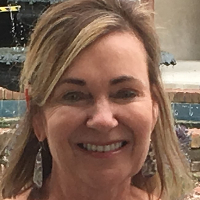
Kentucky · 15 yrs exp
Licensed Clinical Social Worker - relationships and mood
Stress, Anxiety · Relationship · Parenting · Anger · +13 more
Read profile
Michigan · 20 yrs exp
LMSW - Intimacy and relationship concerns
LGBT · Family · Intimacy-related issues · Parenting · +1 more
Read profile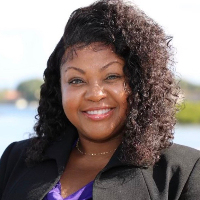
Florida · 9 yrs exp
LMHC in Florida - relationships and mood
Stress, Anxiety · Family · Parenting · Anger · +11 more
Read profile
New York · 20 yrs exp
Licensed Mental Health Counselor - Relationships and Intimacy
Stress, Anxiety · Relationship · Family · Self esteem · +15 more
Read profile
California · 10 yrs exp
LMFT - Intimacy and Relationship Concerns
Stress, Anxiety · Addictions · Trauma and abuse · Self esteem · +15 more
Read profileWhen you search for help with Women's Issues, you may be thinking about a broad set of experiences that can touch intimacy and closeness in relationships. These can include emotional distance, difficulty trusting or becoming vulnerable, changes in desire or affection around life transitions, or the emotional impact of reproductive events such as pregnancy, postpartum, miscarriage, or menopause. You might also be navigating identity, body image, cultural expectations, caregiving roles, or the effects of stress and trauma on your capacity for closeness. Each person’s situation is unique, and the same words - for example, loss of interest or feeling disconnected - can describe very different underlying experiences for different people.
Some concerns that affect intimacy have physical components. If you are experiencing pain, unusual bleeding, persistent fatigue, or other bodily symptoms that may be medical in origin, it is important to consult a doctor or gynecologist in addition to seeking therapeutic support. Therapy can help you explore emotional patterns, relationship dynamics, and coping strategies, and a medical evaluation can address physiological contributors to how you feel in your body and in relationship.
This directory groups profiles where practitioners list both intimacy-related concerns and Women's Issues as areas of focus. That shared listing does not imply a causal relationship between the two or that every practitioner uses the same approach. Rather, it indicates that you can find professionals who describe an interest in helping with gender-specific life stages and with challenges to closeness and emotional connection. You can use the page to compare how individual practitioners frame those concerns - some may emphasize life-stage transitions, others may mention relational patterns or cultural context as part of their work.
Keep in mind that a profile entry is a starting point. It is meant to help you identify clinicians who may speak directly to the issues you are naming. It does not establish certification in a specific specialty or guarantee that a particular therapist treats couples, families, or children. If you are considering work that includes a partner or family members, or that crosses into medical or reproductive health, raise those topics directly with the practitioner listed on a profile to learn whether they address them within their scope of practice.
When you read profiles, think about the specific questions you want answered before making contact. Ask how a practitioner describes their approach to concerns you name - for example, how they think about rebuilding trust after betrayal, supporting intimacy after a major health event, or helping with body image and desire changes. You can ask whether they list particular approaches among their tools - for instance, therapists who list EMDR among their approaches, or who note relational or somatic work - and then invite them to explain how they apply those approaches in practice for Women's Issues. Remember that a therapist listing an approach is not the same as a documented certification in that approach, so phrasing questions to learn how they use it in sessions is useful.
Distinguish academic degrees from professional permission to practice. A PhD, PsyD, MD, MA, or MSW indicates educational background. Licenses and registrations govern clinical practice and vary by country. In the United States, clinicians commonly list a professional license type such as LCSW, LMFT, LPC, or similar designations; in the United Kingdom and Australia, you will often see references to registration or membership with recognized professional bodies. Ask practitioners to clarify what their degree, license, registration, or membership means for practice in the listed location and what it authorizes them to do where you live.
If you are considering online care, it is important to have practical conversations up front. Ask how the practitioner describes working remotely and whether they will explain what to expect from session structure, communication between sessions, and approaches to privacy in the digital setting. Discuss how they handle technical interruptions and what steps they recommend if you need immediate assistance between sessions. It is also appropriate to ask about geographic considerations - some clinicians can work with people who are located within the same state, region, or country as their listed location, while others cannot - so clarify how their listed location relates to where they are legally permitted to provide care.
Before you begin, make sure to raise any medical concerns that may interact with therapy work. If you are experiencing physical symptoms that affect intimacy or mood, ask whether the clinician recommends consultation with a physician or specialist and how they coordinate care or make referrals. Discussing your goals, any recent crises, your supports, and safety planning in advance allows you and the practitioner to decide whether an online arrangement is appropriate for your needs at this time.
Use profiles as a way to compare several concrete dimensions that matter to you. Read how each clinician describes the focus areas they list and note whether they mention specific life stages, cultural identities, or relationship contexts that match your situation. Look for language options if speaking in a particular language is important, since being able to use your preferred language often shapes the depth of emotional exploration. Compare how practitioners present their credentials - degrees, trainings, licenses, registrations, or professional memberships - and remember to treat degrees as separate from practice permission.
Consider stylistic and relational cues in profiles. Some clinicians describe a directive, skills-based approach while others emphasize a reflective, exploratory style. Think about whether you prefer an approach that includes psychoeducation and homework or one that centers on in-session exploration of feelings and patterns. Profiles sometimes note populations served or cultural competencies - these statements can help you assess fit but are not a substitute for asking direct questions about lived experience and cultural understanding in an initial conversation. Finally, use listed location as a practical reference point and reach out to discuss any logistical questions you have about sessions, boundaries, and what you hope to address together.
Choosing a practitioner from a directory is an active process that benefits from clear questions and open dialogue. By comparing profiles across focus areas, approaches, languages, credentials, and stated style, you build a shortlist of clinicians whose orientation aligns with your needs. Contacting those practitioners to ask the concrete questions described here can help you determine whether their way of working and their scope match what you are seeking for support with Women's Issues and intimacy in relationships.
Alabama
66 therapists
Alaska
10 therapists
Arizona
62 therapists
Arkansas
26 therapists
Australia
68 therapists
California
338 therapists
Colorado
108 therapists
Connecticut
39 therapists
Delaware
15 therapists
District of Columbia
15 therapists
Florida
500 therapists
Georgia
171 therapists
Hawaii
23 therapists
Idaho
20 therapists
Illinois
160 therapists
Indiana
81 therapists
Iowa
23 therapists
Kansas
37 therapists
Kentucky
55 therapists
Louisiana
115 therapists
Maine
15 therapists
Maryland
72 therapists
Massachusetts
51 therapists
Michigan
156 therapists
Minnesota
62 therapists
Mississippi
43 therapists
Missouri
149 therapists
Montana
24 therapists
Nebraska
27 therapists
Nevada
28 therapists
New Hampshire
18 therapists
New Jersey
120 therapists
New Mexico
28 therapists
New York
240 therapists
North Carolina
195 therapists
North Dakota
5 therapists
Ohio
112 therapists
Oklahoma
86 therapists
Oregon
33 therapists
Pennsylvania
158 therapists
Rhode Island
10 therapists
South Carolina
98 therapists
South Dakota
11 therapists
Tennessee
76 therapists
Texas
512 therapists
United Kingdom
1151 therapists
Utah
42 therapists
Vermont
9 therapists
Virginia
87 therapists
Washington
64 therapists
West Virginia
15 therapists
Wisconsin
68 therapists
Wyoming
13 therapists