- CBT and DBT methods
- Mindfulness and ACT
- Attachment-focused work
About Sharron
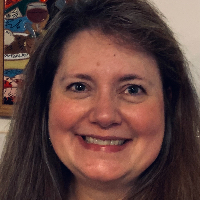
Sharron Lewis is a Licensed Clinical Social Worker (LCSW) practicing in Louisiana with 24 years of experience. She has worked in inpatient psychiatry, child welfare, community mental health, and hospitals. Her stated areas of focus include stress, anxiety, relationship and family concerns, trauma and abuse, grief, and intimacy-related issues.
She trained at the University of Washington School of Social Work and has experience in the Veterans Administration Hospital inpatient psychiatry setting. Since returning to Louisiana, she has worked across public and private settings. For the past 13 years she served as Clinical Director of an Intensive Outpatient Program, offering group and individual psychotherapy.
Her approach draws on Cognitive Behavioral Therapy (CBT), Dialectical Behavior Therapy (DBT), Acceptance and Commitment Therapy (ACT), mindfulness practices, and client-centered principles. She describes work that links body awareness with thinking patterns, aiming to help the brain and body cooperate in reducing distress. Sessions focus on clear goals and practical skills.
In practice she helps people identify what matters to them, manage strong emotions, and change unhelpful thinking and behaviors. She also addresses patterns tied to attachment, abandonment, codependency, and communication problems. People work on coping with life changes, grief, sleep problems, and challenges such as substance misuse or impulsivity.
She emphasizes collaborative planning so each person has a clear path forward. The first meetings are used to set goals and build a plan that fits daily life. Prospective clients are asked to use the site matching process to begin and schedule a first session.
Therapeutic approaches and online work
Acceptance and Commitment Therapy (ACT) helps people clarify what matters to them and take small steps toward those values, often using mindfulness and committed action to reduce avoidance. Cognitive Behavioral Therapy (CBT) focuses on identifying unhelpful thoughts and behaviors and practicing new responses, which can help with anxiety, depression, and sleep problems. Attachment-Based Therapy looks at how early relationship patterns affect present connections and can be useful for intimacy, trust, and abandonment concerns.Finding the right approach is part of the process. The therapist will work collaboratively with each person to choose methods that match their goals, preferences, and the issues they bring. Early sessions are used to clarify goals and try approaches so adjustments can be made over time.
Confirm current session options before booking so you know how meetings are scheduled. Online work can make it easier to fit therapy into a busy week, allow shorter check-ins when needed, and let people join from quieter surroundings without travel. Therapists generally use these sessions to teach skills, practice new ways of relating, and plan changes that can be tried between meetings.
Frequently asked questions
What concerns does she work with?
She works with stress, anxiety, addictions, relationship and family concerns, depression, trauma and abuse, grief, intimacy-related issues, and related problems.
What is her therapeutic style?
She uses Cognitive Behavioral Therapy, Dialectical Behavior Therapy, Acceptance and Commitment Therapy, mindfulness, and client-centered methods to set goals and teach practical skills.
How much experience does she have?
She has 24 years of professional experience, including inpatient psychiatry work and 13 years as Clinical Director of an Intensive Outpatient Program.
What are her credentials and location?
She is an LCSW in Louisiana. Her training includes a Master of Social Work from the University of Washington.
Which languages are offered?
Sessions are offered in English.
Does she take international clients?
She does not accept international clients at this time.
How does payment and cost work?
Cost varies with location; sessions use a subscription model that can be canceled at any time.
How do I begin working together?
Use the See online therapy options button, complete the short matching questionnaire, and schedule a first session.