- Relationship communication
- Trauma recovery
- Values based work
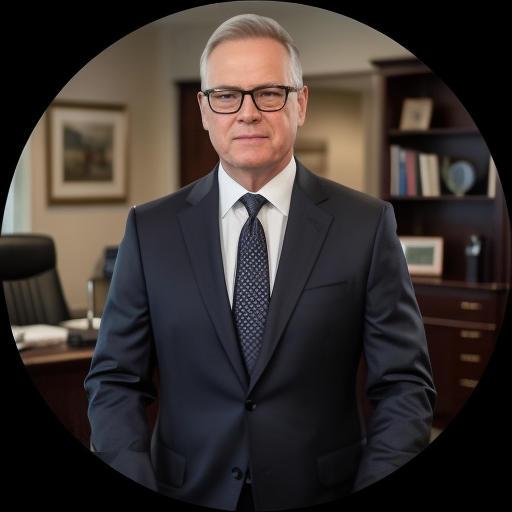
About Edward
Dr. Edward Varner is a Tennessee LPC-MHSP with 30 years of clinical experience. He focuses on relationship concerns, trauma and abuse, mood disorders such as bipolar and depression, stress and anxiety, and intimacy-related issues. He speaks English and Japanese and works with people who bring complex life stressors and attachment questions.
His work often begins by listening to what feels most pressing. He helps people identify patterns that keep them stuck and tests small changes in thinking or behavior. Sessions are practical and straightforward, with a mix of talking and skill practice aimed at clearer communication and steadier moods.
Edward uses several approaches depending on the issue. He draws on Acceptance and Commitment Therapy to clarify values and reduce avoidance. Cognitive Behavioral Therapy is used to challenge unhelpful thinking and build coping skills. Attachment-based ideas help when trust, closeness, or past relational wounds are central.
Clients who prefer a direct, values-oriented perspective may find his style familiar. He also integrates techniques from Dialectical Behavior Therapy for emotion regulation when needed. His practice notes include work with people experiencing grief, addiction, body image concerns, and relationship conflict.
He mentions a faith-informed and conservative viewpoint as part of his background, which some clients may want to discuss during intake. People interested in working together are asked to follow the site’s matching steps to schedule a first session and to confirm current session formats before booking.
How his approaches translate to online work
Acceptance and Commitment Therapy (ACT) helps people clarify what matters to them and take small steps toward those values despite difficult feelings. Online ACT sessions focus on values clarification, mindful noticing, and practical experiments to reduce avoidance. Cognitive Behavioral Therapy (CBT) targets unhelpful thoughts and behaviors with hands-on exercises like thought records and behavior experiments. In remote sessions CBT tools are used to set between-session tasks and to review progress together.Finding the right approach is part of the work. He will discuss what feels most useful and adapt the methods to fit goals and preferences. The process is collaborative - the therapist and client choose which strategies to try and review how they are working over time.
The site workflow asks you to complete a short matching questionnaire and schedule a first session. Session formats are not listed in the biography, so please confirm current session options before booking. Online work can make it easier to fit sessions into a busy life - it may allow shorter check-ins, fewer travel interruptions, and easier scheduling around work or caregiving. Licensed professionals commonly use these practical benefits to keep momentum between sessions and to practice skills in everyday settings.
Frequently asked questions
What concerns does he address?
He works with relationship problems, trauma and abuse, mood disorders, intimacy-related issues, and related concerns listed in his specialties.
What is his therapeutic style?
He uses practical, skills-based work with values exploration and attachment-focused discussion to improve communication and coping.
How much experience does he have?
He has 30 years of clinical experience working with complex life challenges and mood disorders.
What credential does he hold and where is he based?
He is an LPC-MHSP licensed in Tennessee and practices with that credential.
Which languages are offered for sessions?
Sessions are offered in English and Japanese.
Does he work with international clients?
He accepts international clients, though logistics should be confirmed during intake.
How are sessions scheduled and what does cost look like?
Session cost varies by location and uses a subscription that can be canceled at any time; specifics are provided through the platform.
How do I begin working with him?
Select the See online therapy options button, complete the short matching questionnaire, and schedule a first session.