- Addictions support
- Intimacy issues
- Cognitive behavioral work
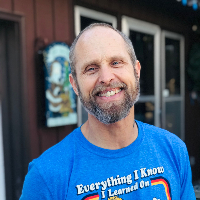
About David
David Krych is a Licensed Clinical Social Worker (LCSW) in Wisconsin with 19 years of clinical experience. He works with people facing stress, anxiety, addictions, intimacy-related issues, parenting concerns, relationship and family problems, grief, depression, and other life challenges. He also supports those dealing with caregiver strain, body image concerns, abandonment, and issues tied to substance use.
David draws on long-term personal and professional experience with recovery and addiction work. He speaks plainly about what gets in the way of change and focuses on practical steps people can use. Sessions centre on understanding a person's goals, strengths, and the patterns that keep them stuck.
His approach mixes client-centered listening with tools from cognitive behavioral therapy and emotionally-focused methods. He uses motivational interviewing to support readiness for change and elements of existential thinking when people are wrestling with life purpose or meaning.
David values self-acceptance as a foundation for change. He encourages people to build on small strengths and to practice skills between sessions. He also understands the frustration and setbacks that come with recovery and mood struggles, and he treats those as part of the work.
People who reach out can expect clear conversation about goals and practical strategies. He looks for ways to make therapy concrete, such as skill practice or brief experiments, rather than long abstract discussion. His background includes substantial work with adolescents earlier in his career and many years focused on addiction and related problems.
How his approaches translate to online work
Client-Centered Therapy focuses on listening and understanding the person as they are, and online sessions can preserve that straightforward conversation style. This approach helps when someone needs space to talk through relationship or intimacy concerns and to clarify personal goals.Cognitive Behavioral Therapy (CBT) breaks problems into thoughts, feelings, and actions and then tests small changes. Online sessions can include short skill practices, worksheets, and exercises to try between appointments, which suits issues like anxiety, mood, and addictive patterns.
Emotionally-Focused Therapy (EFT) looks at how emotions shape reactions and connections with others. In remote sessions this can mean naming emotional patterns and rehearsing new responses that improve closeness and communication.
Finding the best approach is part of the work. The therapist will discuss goals and preferences and help decide which methods to prioritize. That decision is collaborative and can change as progress is made.
Session formats are not listed here, so confirm current options before booking. Many people find online sessions help fit therapy into busy days, make it easier to keep regular appointments, and allow focused check-ins or longer conversations without travel. Online work can support skill practice and follow-up between sessions while keeping the same therapeutic aims as in-person care.
Frequently asked questions
What concerns does he address?
He works with stress, anxiety, addictions, intimacy-related issues, parenting, relationship and family problems, grief, depression, and related challenges.
How would you describe his therapeutic style?
He combines client-centered listening with practical tools from cognitive behavioral therapy, emotionally-focused methods, existential reflection, and motivational interviewing.
How much clinical experience does he have?
He has 19 years of clinical experience and a longer personal and professional history working in addiction and recovery settings.
What credential and location does he hold?
He is a Licensed Clinical Social Worker (LCSW) practicing in Wisconsin.
Which languages are supported?
Sessions are offered in English and international clients are accepted.
What session formats are available?
Current session formats are not specified here; please confirm available formats before booking.
How are fees and payments handled?
Cost varies with location; sessions use a subscription that can be canceled at any time.
How do I get started?
Select the See online therapy options button, complete a short matching questionnaire, and schedule a first session.