- CBT techniques
- Trauma focus
- Client-centered
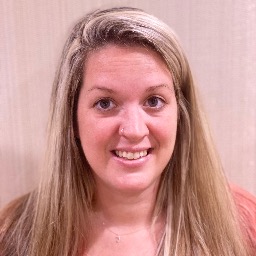
About Shauna
Shauna Jones is a Licensed Clinical Social Worker (LCSW) in North Carolina with 10 years of clinical experience. She sees adults who bring concerns such as anxiety, depression, stress, relationship strain, and intimacy-related issues. Shauna also addresses trauma and abuse and supports people coping with life changes and caregiving stress.
Her approach blends client-centered methods with cognitive behavioral and trauma-focused techniques. Sessions are conversational and interactive. Shauna uses practical, problem-solving steps alongside attention to how past experiences affect present relationships.
She helps people notice patterns that keep them stuck and then practices new ways of responding. That may include changing unhelpful thoughts, trying different behaviors, or using focused exercises to address trauma reactions. The work is goal-oriented and paced to what each person can manage.
Shauna has experience with a wide range of concerns beyond mood disorders, including addictions, grief, ADHD, and issues around attachment, abandonment, and blended family dynamics. She also supports people with questions about kink and alternative sex culture when those topics affect relationships and wellbeing.
Sessions aim to be straightforward and practical. People come away with clear steps to try between meetings and a plan for the next session. To begin, users are asked to complete a brief matching questionnaire and schedule a first session.
Therapeutic approaches and online sessions
Client-centered work focuses on listening and adapting to what each person brings. The therapist follows the client's concerns, asks clarifying questions, and shapes sessions around the person's priorities and strengths.Cognitive Behavioral Therapy (CBT) looks at the links between thoughts, feelings, and actions. It uses practical exercises to test unhelpful thoughts and build new coping habits, which can help with anxiety, depression, and relationship patterns.
Trauma-focused therapy addresses reactions that follow traumatic events. It combines careful pacing with techniques to reduce distress and increase a person's ability to manage triggers and relationship impacts.
Finding the right approach is part of the work. The therapist will discuss goals, preferences, and how each method might help. This is a collaborative process and the plan can change as progress is reviewed.
Confirm available session options before booking because formats are not specified in the profile. Online sessions can make therapy easier to fit into daily life by reducing travel time, allowing shorter check-ins during a work break, or letting someone choose a session that does not require video if that is preferable.
Frequently asked questions
What concerns does she address?
She helps with anxiety, depression, stress, relationship strain, intimacy-related issues, trauma and related topics listed in her profile.
What is her therapy style?
Her style is interactive and client-centered, using cognitive behavioral and trauma-focused methods along with solution-focused work.
How much experience does she have?
She has 10 years of clinical experience as a social worker and therapist.
What are her credentials and location?
She holds an LCSW credential and is licensed in North Carolina.
Which languages are supported?
Sessions are offered in English only.
Does she work with international clients?
She does not accept international clients at this time.
How are sessions billed?
Cost varies with location and sessions use a subscription model that can be canceled at any time.
How do I get started?
Select the See online therapy options button, complete the short matching questionnaire, and schedule a first session.