- Attachment-based work
- CBT strategies
- Emotion-focused therapy
About Katharine
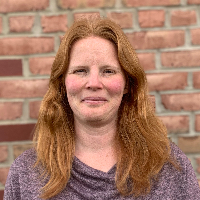
Katharine “Katy” Nicholson is a Licensed Marriage and Family Therapist, LMFT, practicing in New York with ten years of experience. She focuses on relationship and family concerns, trauma and abuse, parenting challenges, stress, anxiety, and intimacy-related issues among other areas. Katy often meets with individuals to hear what is not being heard in their relationships and to help improve communication and connection.
She uses straightforward conversation and practical problem solving in sessions. Katy draws on attachment-based ideas to help people understand patterns in close relationships. She also uses cognitive behavioral strategies to shift unhelpful thinking and emotion-focused work to address how feelings affect interaction.
Her background includes work in outpatient community mental health and experience using family therapy methods. That experience shapes how she thinks about interactions, roles, and what gets in the way of cooperation. Katy also brings skills from dialectical behavior approaches for emotion regulation and practical coping.
In individual meetings she listens for the ways needs go unmet and helps people develop clearer communication. For parents she offers concrete approaches to common parenting struggles and blended family issues. She also works with people facing grief, addiction, body image concerns, and changes such as divorce and separation.
Katy encourages a problem-solving style that is active and collaborative. She mixes reflective conversation with hands-on tools and skill practice. People can expect practical steps they can try between sessions and follow-up on what helps.
How Katy’s therapeutic approaches work for remote sessions
Attachment-Based Therapy looks at patterns of closeness and distance in relationships. It helps people name how past and present connections shape trust, commitment, and reactions to conflict. This approach can be useful for intimacy issues and for understanding family roles.Cognitive Behavioral Therapy, or CBT, focuses on how thoughts influence feelings and behavior. It breaks problems into manageable steps and offers tools to change unhelpful thinking and behavior. CBT is often used for anxiety, mood, and stress-related work.
Finding the best approach is part of the work together. Katy will help clients decide which methods fit their needs and goals. She discusses options and adjusts what she uses based on how a person responds and what practical changes they want to make.
Confirm current session formats before booking since the biography does not specify which online formats are used. Online sessions can make it easier to fit therapy into a busy week, shorten travel, and support steady check-ins between appointments. Different ways of meeting can also allow for brief check-ins when time is limited or sessions that focus on skills practice without needing extended travel.
Frequently asked questions
What kinds of concerns does she address?
She works with relationship and family problems, trauma and abuse, parenting, stress, anxiety, intimacy-related issues, and related areas such as body image and eating concerns.
What is her therapy style?
Katy uses a mix of attachment-based, client-centered, cognitive behavioral, dialectical behavior, and emotionally-focused approaches. Sessions combine conversation with practical skills and problem solving.
How much clinical experience does she have?
She has ten years of clinical experience and has worked for years in outpatient community mental health settings.
What are her credentials and where is she based?
She is an LMFT - Licensed Marriage and Family Therapist - practicing in New York.
Which languages are sessions offered in?
Sessions are offered in English.
Does she work with international clients?
She does not accept international clients at this time.
How are sessions priced?
Cost varies with location and sessions use a subscription that can be canceled at any time.
How do I begin with Katy?
Select the See online therapy options button, complete a short matching questionnaire, and schedule a first session.