- Intimacy-related issues
- Stress and anxiety
- CBT and EFT approaches
About Eugenia
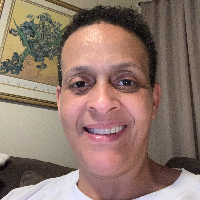
Eugenia Davis is a Licensed Clinical Mental Health Counselor (LCMHC) in North Carolina with 22 years of experience. She holds a Master of Science in Mental Health Counseling from St. Thomas University and a Bachelor of Arts in Criminal Justice from Florida Atlantic University. Eugenia works with people facing stress, anxiety, addictions, relationship and family concerns, depression, trauma and abuse, grief, intimacy-related issues, parenting strain, and other life changes.
She describes therapy as a collaborative process where clients talk through concerns and develop ways to cope. Sessions focus on helping people notice different perspectives and think about problems in new ways. Eugenia aims to be an objective voice who asks questions and reflects observations rather than handing out ready-made answers.
Her background includes long experience with substance use concerns and chronic mental health conditions, and she has worked with a wide range of people across community and institutional settings. She is a member of professional organizations including the American Mental Health Counselors Association and the American Psychological Association.
In practice she draws on approaches such as client-centered work, cognitive behavioral techniques, emotionally-focused ideas, mindfulness, and motivational interviewing. Those methods are used to address thinking patterns, emotional responses, and motivation for change. The therapist helps people develop practical coping skills and clearer communication around stressful topics.
People seeking help for intimacy-related issues or for problems tied to mood, trauma, or substance use can expect direct conversation and practical approaches. To begin, clients complete a short matching questionnaire and schedule a first session through the See online therapy options button.
Therapeutic approaches used in online sessions
Client-Centered Therapy focuses on the person’s own goals and perspective. The therapist listens, reflects what she hears, and helps people find their own solutions. This approach is useful when someone needs space to sort through feelings and decisions.Cognitive Behavioral Therapy (CBT) looks at the link between thoughts, feelings, and behavior. It uses simple exercises to test unhelpful thoughts and build different habits. CBT can help with anxiety, depression, and patterns that affect relationships.
Emotionally-Focused Therapy (EFT) concentrates on emotions and how they shape connection. It helps people notice, name, and shift emotional responses that get in the way of closeness. This can be helpful for intimacy-related issues and communication problems.
Choosing the right approach is part of working together. The therapist will discuss options and try methods that match the client’s needs, goals, and preferences. If something is not helping, she will adjust the plan in collaboration with the client.
The biography does not list specific session formats, so confirm the available options before booking. Online work can make it easier to fit sessions into a busy life - for example a shorter check-in during a lunch break, not needing to travel, or using audio rather than video when bandwidth is limited. These practical features can make regular care more feasible while keeping focus on progress and communication.
Frequently asked questions
What concerns does she address?
Eugenia works with stress, anxiety, addictions, relationship and family concerns, depression, trauma and abuse, grief, intimacy-related issues, parenting strain, and related areas.
What is her therapeutic style?
She uses a collaborative, client-centered approach that helps people look at problems from different angles and develop coping strategies.
How much experience does she have?
She has 22 years of experience in the mental health field, including work with substance use and chronic mental health conditions.
What credentials and location are listed?
She is an LCMHC licensed in North Carolina and practices from that state.
Which languages are supported?
Sessions are offered in English and she accepts international clients.
What session formats are available?
The original biography does not list specific session formats; please confirm current session options before booking.
How are fees handled?
Cost varies with location and sessions use a subscription that can be canceled at any time.
How do I begin working with her?
Choose the See online therapy options button, complete a short matching questionnaire, and schedule a first session.