- CBT methods
- Attachment work
- Mindfulness skills
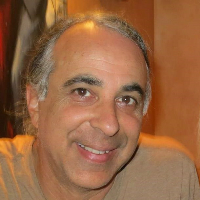
About Paul
Paul Dokey is a Licensed Clinical Social Worker (LCSW) in Montana with 20 years of experience. He works with adults facing stress, anxiety, depression, grief, trauma and abuse, addictions, relationship strain, parenting concerns, and intimacy-related issues.
He offers a present-focused way of working that emphasizes talking through what is happening now. Sessions look at current patterns, thoughts, and behaviors to find practical changes that help day-to-day life. Mindfulness skills are often used to reduce reactivity and increase self-acceptance.
Paul commonly uses cognitive behavioral approaches to identify unhelpful thinking and replace it with more workable options. He also draws on attachment-based ideas to look at how early relationships influence current connection and trust issues. Dialectical behavior strategies can be introduced for emotion regulation and coping skills when stress or strong feelings become overwhelming.
His background includes a Bachelor’s degree in Cultural Anthropology and two decades of clinical work in Montana. He has worked with people managing ADHD, bipolar symptoms, compassion fatigue, and the fallout from separation or loss. His practice addresses both practical coping and relational patterns that affect intimacy and communication.
People who choose him can expect straightforward discussion about what is causing distress and what might help. The emphasis is on collaboration and on building skills that can be used between sessions.
Therapeutic approaches and online work
Acceptance and Commitment Therapy (ACT) focuses on helping people notice thoughts and feelings without getting stuck in them, and then take actions that match their values. It is often used for anxiety, stress, and problems where avoidance keeps someone stuck.Attachment-Based Therapy looks at how early relationship patterns shape trust, closeness, and conflict now. It can help people understand intimacy issues and change how they relate to partners or close others.
Finding the right approach is part of the therapy process. The therapist will work with each person to decide which methods fit their goals, needs, and preferences. That decision is collaborative and can shift as therapy progresses.
Confirm available session formats before booking because this profile does not list specific delivery methods. Online sessions can make it easier to fit therapy into a busy life, allow shorter check-ins when needed, and reduce travel time. Many people find that working with a licensed therapist remotely still lets them practice skills between meetings and address relationship and intimacy concerns without rearranging their whole schedule.
Frequently asked questions
What kinds of concerns does he address?
He works with stress, anxiety, depression, trauma and abuse, addictions, relationship and intimacy-related issues, grief, parenting challenges, and related concerns listed on his profile.
What is his therapeutic style?
He uses a present-focused, talk-oriented approach that combines cognitive behavioral methods and mindfulness to change unhelpful thinking and reduce reactivity.
How much clinical experience does he have?
He has 20 years of clinical experience providing psychotherapy in Montana and surrounding communities.
What are his credentials and location?
He is a Licensed Clinical Social Worker, MT LCSW, based in Montana.
Which languages are sessions offered in?
Sessions are offered in English and he accepts international clients.
What session formats are available?
Please confirm current session options before booking as the profile does not list specific formats.
How does cost work?
Cost varies with location; sessions use a subscription model that can be canceled at any time.
How do I start working with him?
Select the See online therapy options button, complete a short matching questionnaire, and schedule a first session.