- Relationship challenges
- Trauma and abuse
- Mindfulness and CBT
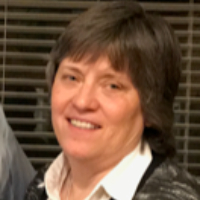
About Charlotte
Charlotte Gibbons is a Licensed Clinical Social Worker (LCSW) licensed in Utah with 20 years of practice. She focuses on relationship and family concerns, trauma and abuse, parenting challenges, self-esteem struggles, anxiety, and intimacy-related issues among other areas.
She helps people talk through painful events and strained relationships. Sessions are direct and interactive. She avoids stigmatizing labels and treats each person with respect and sensitivity.
Charlotte blends practical cognitive-behavioral techniques with client-centered listening. She also draws on dialectical ideas and Jungian perspectives to look at patterns and meaning. Mindfulness practices are used when helpful to manage stress and strong emotions.
In session she works on concrete skills such as communication, emotion regulation, and coping strategies. She also supports exploration of family history and repetitive patterns that affect relationships and self-worth. Work can include parenting concerns, grief, addiction-related problems, or recovery from emotional or physical abuse.
Her background includes two decades of clinical work across a broad range of concerns, including ADHD, bipolar disorder, and compassion fatigue for caregivers and first responders. That experience informs a practical approach that aims to make everyday life more manageable.
People who choose her often want clear tools plus a chance to reflect on deeper patterns. To begin, prospective clients are asked to complete a short matching questionnaire and schedule a first session via the site.
Therapeutic approaches and online sessions
Charlotte commonly uses client-centered therapy and cognitive-behavioral therapy (CBT) in her work. Client-centered therapy focuses on listening and understanding a person's perspective, which helps when dealing with relationship and intimacy concerns. CBT offers practical steps to change unhelpful thinking and behavior, useful for anxiety, low mood, and problems with communication.She also uses dialectical behavior therapy (DBT) ideas for emotion regulation and tolerating distress. DBT techniques can help people manage intense feelings, reduce impulsive reactions, and improve how they connect with others. Choosing which approach to use is a collaborative process; the therapist will work with each person to decide what fits their needs, goals, and preferences.
Session formats are not listed in the biography, so confirm current online options before booking. Online sessions can make it easier to fit therapy into a busy life, allow shorter check-ins when needed, and avoid travel time. Many people find that remote sessions let them keep therapy consistent around work, care responsibilities, or when local options are limited. Licensed professionals can adapt exercises, homework, and mindfulness practices to work well in remote appointments.
Frequently asked questions
What kinds of concerns does she help with?
She works with relationship and family issues, trauma and abuse, parenting, intimacy-related concerns, depression, anxiety, and related areas such as grief and addictions.
How would you describe her therapeutic style?
Her style is interactive and respectful. She combines client-centered listening with practical techniques to improve communication and emotion regulation.
How much experience does she have?
She has 20 years of clinical experience working with a wide range of concerns including trauma, family and cultural issues.
What are her credentials and where is she based?
She is a Licensed Clinical Social Worker (LCSW) licensed in Utah.
Which languages are sessions offered in?
Sessions are offered in English and she also accepts international clients.
What session formats are available?
The original biography does not list specific session formats; please confirm current session options before booking.
How are fees handled?
Cost varies with location and sessions use a subscription that can be canceled at any time.
How do I get started?
Select the See online therapy options button, complete a short matching questionnaire, and schedule a first session.