- Intimacy and relationship challenges
- Anxiety and depression
- Attachment and communication
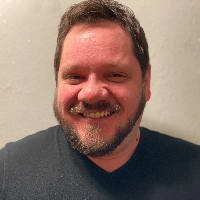
About Brandon
Brandon Bunker is a Licensed Clinical Mental Health Counselor (LCMHC) and a Licensed Professional Counselor (LPC) practicing in Utah with 11 years of experience. He works with people dealing with stress, anxiety, depression, trauma and abuse, relationship difficulties, LGBTQ issues, addictions, and intimacy-related issues. Brandon helps clients talk through communication problems, commitment worries, and challenges around attachment and abandonment.
His style is grounded and client-centered. Sessions focus on clear goals and practical skills. Brandon uses approaches like cognitive behavioral techniques and emotionally-focused methods to help people notice patterns and try different responses.
He also draws on Acceptance and Commitment Therapy to help clients clarify values and take committed steps toward them. Attachment-based ideas guide work on trust, closeness, and patterns that started in earlier relationships. This combination is applied to concerns such as codependency, fatherhood issues, and coping with life changes.
Brandon has experience supporting people who identify as LGBTQ and those navigating nontraditional sexual cultures including BDSM and kink. He helps with the fallout of separation or divorce, family of origin issues, and caregiver stress. Practical problem solving and emotion-focused work are both options depending on what a client needs.
Sessions use a subscription model that can be canceled at any time and cost varies with location. To begin, users complete a short matching questionnaire and schedule a first session through the See online therapy options button.
How his approaches translate to online sessions
Acceptance and Commitment Therapy (ACT) helps people name what matters to them and take small values-driven steps. It can be useful for anxiety, avoidance, and coping with life changes. Attachment-Based Therapy looks at patterns of closeness and trust that developed over time and helps people try different ways of relating. Emotionally-Focused Therapy (EFT) focuses on what happens in relationships when emotions flare and helps people understand and shift those interactions.Finding the right approach is part of the work. The therapist will collaborate with each person to decide which methods fit their goals, needs, and preferences. That plan can change as clients try techniques and see what helps.
Session logistics should be confirmed before booking because the biography does not list specific formats. Online work can make it easier to fit therapy into a busy day, allow a shorter check-in when schedules are tight, or reduce the need to travel to an appointment. If you want to begin, use the matching questionnaire to schedule a first session and discuss which approach and session setup will work best for you.
Frequently asked questions
What kinds of concerns does he address?
He works with stress, anxiety, depression, trauma and abuse, relationship difficulties, LGBTQ issues, addictions, and intimacy-related issues among other concerns.
What is his therapeutic style?
He uses a client-centered approach that combines practical skill building with emotion-focused work to address patterns and improve communication.
How long has he been practicing?
He has 11 years of clinical experience working with a range of concerns and populations.
What credentials and location apply to his practice?
He holds LCMHC and LPC credentials and practices in Utah.
Which languages are supported and does he work internationally?
Sessions are offered in English and he is not accepting international clients at this time.
What session formats are offered?
Session formats are not specified in the biography; confirm current session options before booking.
How is cost handled for sessions?
Cost varies with location and sessions use a subscription that can be canceled at any time.
How do I get started with scheduling?
Select the See online therapy options button, complete a short matching questionnaire, and schedule a first session.