- CBT methods
- DBT skills
- Mindfulness practice
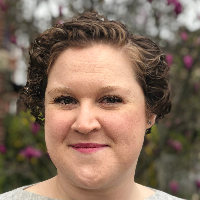
About Amanda
Amanda Vaughan is a Licensed Mental Health Counselor (LMHC) with 13 years of experience in mental health care in Massachusetts. She works with adults on issues such as depression, anxiety, relationship problems, trauma, grief, and intimacy-related issues. Amanda also addresses stress, addiction concerns, parenting strains, and self-esteem difficulties.
Her background includes crisis intervention, group therapy, and intensive treatment settings. In sessions she uses straightforward, person-focused conversation and practical skills. Amanda emphasizes mindfulness and coping skills to help people notice patterns and make small changes.
She draws on Cognitive Behavioral Therapy and Dialectical Behavior Therapy to teach tools for managing emotions and changing unhelpful thoughts. Amanda also uses Client-Centered and Existential approaches to explore values, meaning, and personal choices.
Practical work in sessions might include skill building, behavioral experiments, and mindful awareness exercises. She will talk through what’s occurring in daily life and practice ways to shift responses to stress, anger, or relationship conflict.
Amanda is experienced working with people facing issues related to attachment, body image, codependency, blended family concerns, and sexual culture topics such as BDSM and kink. She also supports those dealing with gender dysphoria, fatherhood questions, and compassion fatigue. Her style is direct and respectful, focused on helping people develop concrete skills and clearer understanding of their patterns.
Therapeutic approaches and how online sessions fit
Amanda uses Cognitive Behavioral Therapy to help people identify unhelpful thoughts and try different behaviors. CBT is practical and often focuses on small changes that reduce anxiety, low mood, or relationship reactivity.She also draws on Dialectical Behavior Therapy for emotion regulation and interpersonal effectiveness. DBT skills teach ways to tolerate strong feelings, manage impulses, and improve communication under stress.
Finding the right approach is part of how she works. The therapist and client decide together which methods fit the person’s goals and preferences. That collaborative process may include trying different skills and tracking what helps most in everyday life.
The biography does not list specific online formats, so confirm the available session options before booking. In general, online sessions can make it easier to fit therapy into a busy schedule, shorten travel time, and allow for more consistent check-ins. Some people prefer phone check-ins when video is not needed, while others use video to work more directly on communication and nonverbal cues. Licensed professionals can adapt CBT and DBT skill work to remote settings so practical exercises and between-session tasks remain part of care.
Frequently asked questions
What concerns does she address?
Amanda works with adults on depression, anxiety, relationship difficulties, trauma, grief, and intimacy-related issues, plus related concerns like addiction and parenting stress.
What is her therapeutic style?
She uses a direct, person-focused approach with practical skill building and mindful awareness exercises to help manage emotions and behavior.
How much experience does she have?
She has 13 years of experience in mental health counseling, including crisis intervention and group therapy.
What are her credentials and location?
She is an LMHC (Licensed Mental Health Counselor) and practices in Massachusetts.
Does she offer sessions in other languages or internationally?
Sessions are offered in English. She is not accepting international clients at this time.
Which session formats does she provide?
The original biography does not list specific session formats. Please confirm current session options before booking.
How are sessions billed?
Cost varies with location and sessions use a subscription that can be canceled at any time.
How do I begin working with her?
Choose the See online therapy options button, complete a short matching questionnaire, and schedule a first session.