- Attachment work
- CBT strategies
- Emotion-focused work
About Helen
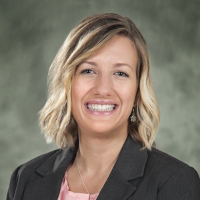
Helen Woodrum is a Licensed Clinical Social Worker (LCSW) based in Illinois with 10 years of outpatient experience. She has worked in community mental health centers and an outpatient behavioral health clinic within a hospital. Helen focuses on trauma and related concerns and lists intimacy-related issues among the topics she addresses.
Helen helps people who are dealing with stress, anxiety, depression, grief, obsessive or shifting moods, and the complications that come after trauma. She also supports people facing relationship strain, communication problems, caregiver stress, parenting challenges, and issues around gender and identity. Her practice includes attention to sleep problems, self-esteem, anger, and career-related stress.
Her approach draws on several methods including Attachment-Based Therapy, Client-Centered Therapy, Cognitive Behavioral Therapy (CBT), Dialectical Behavior Therapy (DBT), and Emotionally-Focused Therapy (EFT). She said she spent much of her learning on understanding complex trauma and ways to help people reprocess traumatic experiences. Helen begins by focusing on the most pressing concern the person brings.
Sessions include practical tools and skill work alongside reflection about relationships and past experiences. She emphasizes techniques that support daily coping, self-awareness, and gradual changes in behavior and emotion. Helen values the social context around a person when planning care and considers environmental factors in treatment decisions.
Her style aims for predictability, respect, and direct support, with room for appropriate humor. People who are looking to address intimacy concerns, trauma effects, or ongoing mood and stress problems may find her approach useful.
How her approaches translate to online work
Attachment-Based Therapy looks at how early relationships shape current connections. It focuses on patterns of closeness and distance and helps people notice and change automatic reactions in relationships. Cognitive Behavioral Therapy (CBT) breaks down thoughts, feelings, and behaviors into practical steps. It provides concrete skills to reduce anxiety, shift negative thinking, and change unhelpful habits. Emotionally-Focused Therapy (EFT) pays attention to the emotions that drive relationship patterns and helps people identify and respond to those feelings differently.Finding the right mix of approaches is part of the early work. The therapist will collaborate with each person to decide which methods fit their needs, goals, and preferences. That choice can change as the work progresses and new priorities emerge.
Session formats are not listed in the biography, so confirm current options before booking. Online sessions can make it easier to fit therapy around work and family commitments, allow shorter check-ins when schedules are tight, and reduce travel time. They also let people focus on skill practice and tracking between meetings. Talk with the therapist at first contact to learn which session formats she currently offers and how they might fit your routine.
Frequently asked questions
Which concerns does she address?
She works with stress, anxiety, trauma and abuse, depression, bipolar mood concerns, grief, intimacy-related issues, and related problems such as sleep and anger.
What is her therapeutic style?
She uses a blend of approaches including Attachment-Based Therapy, Client-Centered Therapy, CBT, DBT, and EFT to provide skill work and relational focus.
How much experience does she have?
She has 10 years of outpatient clinical experience in community mental health and hospital outpatient settings.
What are her credentials and location?
She is an IL LCSW, practicing in Illinois.
Which languages are supported?
Sessions are offered in English.
Can people outside the US work with her?
She does not accept international clients at this time.
How are fees handled?
Cost varies with location and sessions use a subscription that can be canceled at any time.
How do I begin sessions?
Use the See online therapy options button, complete a short matching questionnaire, and schedule a first session.