- CBT methods
- Trauma focus
- Motivational interviewing
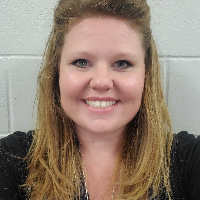
About Monique
Monique Paulus is a Licensed Clinical Social Worker (LCSW) licensed in Arizona and Montana with 13 years of clinical experience, based in Idaho. She works with adults facing stress, anxiety, depression, trauma, addiction, relationship concerns, intimacy-related issues, and related life changes. Monique helps people sort through grief, caregiver strain, and career or parenting pressures through straightforward talk and problem-focused work.
She uses practical methods to address both immediate problems and longer-term patterns. Sessions often include steps to manage symptoms, build coping skills, and improve communication. Where trauma is involved, she applies trauma-focused methods to reduce distress and increase stability.
Monique also uses Cognitive Behavioral Therapy to identify unhelpful thinking and change behaviors that keep problems going. Motivational Interviewing is part of her approach for people working through substance use or readiness to change. These tools are used together to match what each person needs at the time.
Her background includes work with first responders and other people who have faced repeated stress or trauma. She has supported those coping with adoption and foster care dynamics, blended family matters, and complex identity or relationship concerns. Monique describes her style as collaborative and nonjudgmental, focusing on clear goals and concrete steps.
To get started, a short matching questionnaire is completed and a first session is scheduled. Costs vary by location and are managed through a subscription that can be canceled at any time.
How Monique uses CBT, motivational interviewing, and trauma work online
Monique uses Cognitive Behavioral Therapy to help people spot thinking patterns that lead to stress or low mood and to try small behavior changes that can improve daily life. CBT is useful for anxiety, depression, and some relationship patterns where thoughts and actions keep problems going.She also uses Motivational Interviewing when someone is ambivalent about change, for example with substance use or starting difficult conversations. That method focuses on clarifying personal goals and boosting readiness for practical steps. For those affected by past hurt, Trauma-Focused Therapy aims to reduce distress and strengthen coping so everyday activities are easier.
Choosing the right approach is collaborative. The therapist will discuss goals, preferences, and what has or hasn’t worked before, and then adapt methods as needed. That plan can change over time as progress or new issues appear.
Session formats are not specified in the biography, so confirm current online options before booking. Online work can make it easier to fit sessions into a busy life, allow shorter check-ins when schedules are tight, and remove travel time. Licensed professionals can use these features to help people maintain continuity of care while focusing on clear, practical steps.
Frequently asked questions
What kinds of concerns does she address?
She works with stress, anxiety, depression, trauma and addiction, plus relationship and intimacy-related issues among other concerns.
What is her general therapy style?
Her approach is collaborative and practical, focusing on goal-setting, skills, and clear steps rather than abstract discussion.
How much clinical experience does she have?
She has 13 years of experience working with people facing trauma, addiction, and prolonged stress, including work with first responders.
What are her credentials and where is she located?
She is an LCSW and practices from Idaho; she also holds LCSW credentials in Arizona and Montana.
Which languages are supported for sessions?
Sessions are offered in English.
Does she work with international clients?
International clients are not currently accepted.
How much do sessions cost?
Cost varies with location and sessions use a subscription model that can be canceled at any time.
How do I begin working with her?
Start by selecting the See online therapy options button, completing a short matching questionnaire, and scheduling a first session.