- Stress and anxiety
- Trauma and grief
- Addictions and recovery
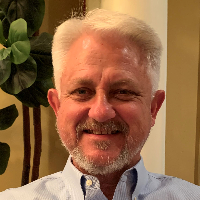
About Kevin
Kevin Phillips is a Licensed Professional Counselor (LPC) in South Carolina with 14 years of clinical experience. He works with adults on stress, anxiety, depression, relationship and intimacy concerns, addictions, trauma and other life challenges.
He has supported people coping with grief, bipolar difficulties, parenting stress, anger, ADHD and career problems. He has experience assisting crime victims and has worked alongside law enforcement and victim advocates in cases involving domestic violence, sexual assault, trafficking and armed robbery.
Kevin uses practical, action-focused work in sessions. He often helps people set goals, learn relaxation skills, and build better communication. He prefers to spend time on steps clients can take now rather than only exploring what went wrong.
His approach draws on cognitive behavioral techniques, Acceptance and Commitment Therapy, emotionally focused ideas, existential perspectives and client-centered listening. He also uses mindfulness and motivational interviewing to help with motivation and impulse control.
For clients who want counseling that reflects a Biblical worldview, he can provide faith-informed mental health support. He also has experience working with pastors and other spiritual workers facing burnout or ministry-related struggles.
People coming to him can expect a direct, interactive style that focuses on practical solutions, improving self-esteem, and restoring better relationships and daily functioning. To begin, prospective clients follow the site process to match and schedule a first session.
How Kevin’s approaches translate to online work
Acceptance and Commitment Therapy (ACT) focuses on identifying values and taking committed steps in life despite difficult thoughts or feelings. It can help with anxiety, depression, and intimacy struggles by clarifying what matters and building consistent actions. Cognitive Behavioral Therapy (CBT) looks at patterns of thinking and behavior and teaches skills to shift those patterns; it is often used for anxiety, depression, and stress management. Emotionally-Focused Therapy (EFT) centers on recognizing emotional responses in relationships and improving communication to reduce distance or conflict. Choosing the right approach is part of the work together. The therapist will review needs, goals, and preferences and collaborate on which methods to use. That choice can change as progress is made and as practical needs evolve. Session formats are not specified in the biography, so confirm current online options before booking. Many people find online sessions easier to fit into a busy day, allow for shorter check-ins when time is limited, or reduce travel time to a clinic. Working remotely can make it simpler to keep regular appointments, practice skills between sessions, and bring real-life situations into talk therapy for immediate use.Frequently asked questions
What concerns does he address?
He works with stress, anxiety, depression, relationship and intimacy-related issues, trauma, addictions, grief, parenting and several other concerns.
What is his therapeutic style?
He uses a practical, action-focused style that emphasizes setting goals and trying steps that can improve daily life.
How much clinical experience does he have?
He has 14 years of experience providing counseling and work with people facing legal, trauma and addiction-related challenges.
What credential does he hold and where is he based?
He is a Licensed Professional Counselor (LPC) in South Carolina.
Which languages are supported for sessions?
Sessions are offered in English.
Can international clients work with him?
He accepts international clients; confirm details during the match and scheduling steps.
How are sessions charged?
Cost varies with location and sessions use a subscription that can be canceled at any time.
How do I get started?
Select the See online therapy options button, complete a short matching questionnaire, and schedule a first session.