- Goal focused work
- CBT and ACT methods
- Mindfulness practice
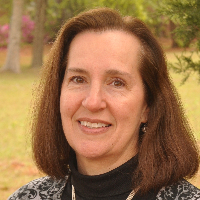
About Denise
Denise Owen is a Licensed Clinical Social Worker (LCSW) practicing in North Carolina with 34 years of experience. She has worked in inpatient and outpatient settings since earning her Master of Social Work in 1990 and has supported people with stress, anxiety, grief, relationship strain, addiction, trauma, and intimacy-related issues.
Her practice style is straightforward and goal-focused. She prefers to assess each person first and then involve them in choosing therapeutic steps. That may mean trying one method and shifting to another if it does not fit. Building rapport is a priority before moving into deeper work.
Denise draws from several practical approaches, including Acceptance and Commitment Therapy, cognitive behavioral techniques, dialectical behavior ideas, client-centered work, and mindfulness practices. She uses these to address problems like communication breakdowns, infidelity, caregiver stress, and coping with life changes.
Her background includes work in state psychiatric care, medical hospitals, military settings, hospice, corrections, and outpatient agencies across multiple states. That variety shaped her familiarity with grief, long-term psychiatric care, domestic violence, and addiction concerns. She continues to attend professional seminars and conferences to keep her LCSW current.
Outside clinical work she has taught community college psychology and homeschool classes, and she has published two children’s books. Denise approaches sessions with a practical mindset - she compares therapy to going to the gym: you may not want to start, but you often feel better after participating.
Therapeutic approaches and working online
Denise commonly uses Acceptance and Commitment Therapy and Cognitive Behavioral Therapy in her work. ACT focuses on identifying personal values and taking actions that match those values while accepting difficult thoughts and feelings. CBT looks at thought and behavior patterns and teaches practical skills to change unhelpful habits and reactions.Finding the right approach is part of the early work. She will review goals and preferences with each person and help decide which methods to try. That decision is collaborative and can change if the first approach does not fit the client's needs.
If you are considering online sessions, confirm the current session options before booking so you know which formats are offered. Online work can make it easier to fit therapy into a busy life, such as fitting a session into a work break, reducing travel time, or choosing a shorter phone check-in when bandwidth is limited. Therapists can use the approaches above to teach breathing and mindfulness techniques, build behavioral plans, and practice communication skills in real time through online meetings.
Frequently asked questions
What kinds of problems does she help with?
She supports people dealing with stress, anxiety, relationship difficulties, grief, addiction, trauma, and intimacy-related issues among other concerns.
What is her therapeutic style?
She uses a direct, collaborative style that begins with assessment and client goals, then adapts methods if a chosen approach does not fit.
How much experience does she have?
She has 34 years of experience in social work, holding an LCSW since 1993 and practicing clinically since 1990 after completing a Master of Social Work.
Where is she based and what is her credential?
She practices in North Carolina and holds the credential LCSW, listed as NC LCSW.
Which languages are supported?
Sessions are offered in English.
Does she work with clients outside the U.S.?
She is not currently accepting international clients.
How are fees handled?
Cost varies with location and sessions use a subscription that can be canceled at any time.
How do I begin a first session?
Start by selecting the See online therapy options button, complete a short matching questionnaire, and schedule a first session.