- Stress and anxiety
- Emotion-focused work
- Mindfulness techniques
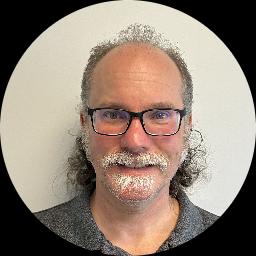
About Christopher
Christopher Santos is a Licensed Professional Counselor (LPC) in Pennsylvania with three years of clinical experience. He works with adults who are coping with stress, anxiety, trauma and abuse, anger, self-esteem struggles, and relationship challenges including intimacy-related issues.
He keeps sessions straightforward and focused on practical steps. Conversations center on what is happening now and what can be changed. He uses clear techniques to help people manage strong emotions and improve day-to-day functioning.
His approach draws on client-centered methods that prioritize the person's perspective. He also uses cognitive behavioral therapy to identify and shift unhelpful thinking patterns. Emotionally-Focused Therapy techniques are used when emotions and connection are central to a concern.
Mindfulness practices are woven into sessions to help with stress reduction and grounding. Motivational interviewing is used when someone wants support finding and sustaining motivation to change behaviors such as substance use or lifestyle habits.
He aims to make therapy a collaborative process. Clients can expect direct conversation about goals, regular check-ins on progress, and adjustments to the plan as needed. The focus is on useful skills and clearer communication that fit everyday life.
Therapeutic approaches and how online sessions are used
Client-centered therapy focuses on the person's perspective and priorities. It involves open listening and reflection so the therapist can follow the client's lead and clarify goals and values. This approach is useful when someone needs support sorting through feelings and deciding what matters most.Cognitive Behavioral Therapy (CBT) looks at the links between thoughts, feelings, and actions. It uses concrete exercises to test assumptions and build different habits of thinking and behaving. CBT is often chosen for anxiety, depression, and stress management.
Emotionally-Focused Therapy (EFT) attends to emotions and attachment experiences. It aims to help people recognize patterns in how they connect and respond to others, and to make changes that improve emotional closeness and regulation.
Finding the right approach is part of the work together. The therapist will discuss goals, try methods, and adjust the plan based on what feels most helpful. Decisions about which techniques to use are collaborative and based on your needs and preferences.
Session formats are not specified in the biography, so confirm current options before booking. Online work can make it easier to fit therapy into a busy week, support shorter check-ins when time is limited, and allow sessions without travel. Licensed professionals can adapt exercises, skill practice, and emotion-focused conversations to an online setting so therapeutic work continues to move forward.
Frequently asked questions
What concerns does he address?
He works with stress, anxiety, trauma and abuse, anger, self-esteem, relationship and intimacy-related issues, grief, addictions, and related problems.
How would you describe his therapy style?
He practices in a direct, client-centered manner and focuses on practical steps to manage emotions and improve daily functioning.
How much experience does he have?
He has three years of professional experience as an LPC working with a range of emotional and relationship concerns.
What credential and region is he based in?
He is a Licensed Professional Counselor (LPC) licensed in Pennsylvania.
Which languages are supported?
Sessions are offered in English.
Does he accept clients outside the United States?
He does not accept international clients at this time.
How are sessions paid for?
Cost varies with location and sessions use a subscription model that can be canceled at any time.
How do I begin working with him?
Use the See online therapy options button, complete a short matching questionnaire, and schedule a first session.