- Trauma recovery
- Communication work
- ACT and CBT methods
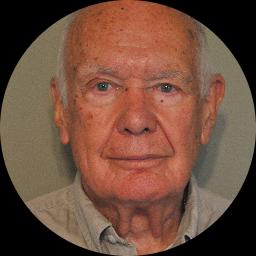
About Paul
Paul D. Wess is an Ohio Licensed Professional Clinical Counselor (LPCC) with 30 years of clinical experience. He holds master’s degrees in psychology and sociology and a Certificate of Advanced Graduate Study that reflects substantial doctoral-level coursework. He focuses on stress, anxiety, trauma and abuse, depression, relationship and intimacy concerns, and related issues such as grief and addiction.
Paul draws on decades of practice to help people notice patterns that keep them stuck. He works in straightforward, conversational sessions that explore feelings, thoughts, and behavior. Sessions often include practical skills for coping with panic, mood swings, and overwhelming emotion.
His approach recognises the ways childhood attachment and abandonment can shape adult relationships. He pays attention to how communication problems, control issues, and shame show up in everyday interactions. That makes the work relevant to intimacy problems and to rebuilding connection after trust is harmed.
Paul uses several methods in his work, including Acceptance and Commitment Therapy, Cognitive Behavioral Therapy, Dialectical Behavior Therapy, Client-Centered Therapy, and Existential Therapy. He explains options and helps people try what fits best for their situation.
He speaks English and Estonian and practices from Ohio. People who want to begin can follow the site’s booking steps to complete a brief questionnaire and arrange a first session. Paul’s style is direct and practical, aimed at helping people manage symptoms and improve their relationships.
Therapeutic approaches and online sessions
Paul often uses Acceptance and Commitment Therapy (ACT) to help people notice unhelpful thoughts and make values-based choices. ACT focuses on accepting difficult feelings while committing to actions that matter, which can be useful for anxiety and relationship strain.He also uses Cognitive Behavioral Therapy (CBT) to identify and change patterns of thinking and behavior that contribute to depression, panic, and mood problems. CBT sessions typically include concrete skills and experiments to test new ways of coping.
Finding the right approach is part of the work together. Paul discusses different methods with each person and helps decide what to try based on goals, needs, and preferences. That collaborative process means the plan can shift as progress is made or priorities change.
The biography does not specify session formats, so confirm current session options before booking. Online sessions can make it easier to fit therapy into a busy week, shorten travel time, and let someone choose a quieter setting or a brief check-in when needed. Talk with the therapist during the initial scheduling steps about how sessions will be delivered and what will work best for everyday life.
Frequently asked questions
What kinds of concerns does he address?
He works with stress, anxiety, trauma and abuse, depression, bipolar disorder, addictions, relationship and intimacy-related issues, grief, and related concerns listed in his profile.
What is his therapeutic style?
He uses a conversational, practical approach that focuses on feelings, thoughts, and behavior and on building coping skills for everyday life.
How many years has he been practicing?
He has 30 years of clinical experience and graduate-level training in psychology and sociology plus a Certificate of Advanced Graduate Study.
What are his credentials and where is he based?
He is an Ohio LPCC and provides services from Ohio.
Which languages are supported?
Sessions are offered in English and Estonian.
Can people outside the United States work with him?
He is not accepting international clients at this time.
How does payment and cost work?
Cost varies with location and sessions use a subscription that can be canceled at any time.
How do I begin a first session?
Use the See online therapy options button, complete the short matching questionnaire, and schedule an initial session.