- CBT techniques
- Mindfulness work
- Communication focus
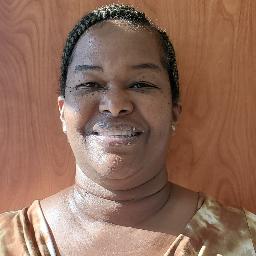
About Luciana
Luciana Smalls is a Licensed Professional Counselor (LPC) in South Carolina with nine years of experience as a mental health professional and over two decades in human services. She works with adults on issues such as depression, anxiety, relationship strain, parenting concerns, and intimacy-related issues. Sessions focus on practical skills and problem-solving rather than labels or jargon.
Smalls uses clear, direct conversation to help people sort through what feels stuck. She draws on cognitive-behavioral tools and client-centered principles to identify unhelpful patterns and build new ways of responding. Mindfulness techniques and motivational interviewing are used to increase awareness and readiness for change.
Her background includes work with adoption and foster care contexts, blended family concerns, and caregiving stress. She also addresses addiction, grief, trauma and abuse, and issues around self-esteem and body image. These areas often show up with communication problems, commitment doubts, or anger, and she helps people break those cycles.
In sessions she supports practical steps such as communication practice, coping strategies for anxiety, and planning around life transitions. Imago relationship ideas may be used to look at interaction patterns in close relationships. She helps clients translate insights into everyday habits they can try between meetings.
Smalls welcomes questions about process and approach before a first session. People who are considering therapy can expect straightforward discussion about goals, an initial plan, and collaboration on next steps. The emphasis is on usable skills and steady progress rather than quick fixes.
How her therapies translate to online sessions
Client-Centered Therapy centers on listening and reflecting so a person feels understood and can clarify goals; it helps with motivation, self-esteem, and relationship concerns. Cognitive Behavioral Therapy (CBT) focuses on spotting patterns of thinking and behavior, then practicing new responses to reduce anxiety, depression, or relationship reactivity. Dialectical Behavior Therapy (DBT) teaches concrete skills for managing strong emotions and improving interpersonal effectiveness, useful for impulsivity, anger, and intense distress.Choosing the right approach happens together. She will talk about goals, try methods, and adjust based on what helps most. That collaborative process means the approach can shift as progress is made or new needs appear.
Confirm which session formats are currently offered before booking. Online sessions can make it easier to fit counseling into a workday, limit travel time, or have a shorter check-in when schedules are tight. They also allow using in-session worksheets, guided mindfulness practice, and role-play for communication exercises without moving between locations. Ask about formats and scheduling options when you complete the matching questionnaire so sessions match your day-to-day life.
Frequently asked questions
What concerns does she help with?
She works with stress, anxiety, depression, relationship and intimacy-related issues, parenting concerns, grief, addiction, trauma, and related areas listed in her specialties.
What is her general approach in sessions?
She blends client-centered conversation with cognitive-behavioral methods, and uses mindfulness and motivational interviewing to build practical skills and clearer thinking.
How long has she worked in mental health?
She has nine years of experience as a mental health professional and over twenty years working in human services.
What are her credentials and where is she based?
She holds the LPC credential and practices in South Carolina.
Which languages are supported?
Sessions are offered in English.
Can international clients work with her?
She does not accept international clients at this time.
How are sessions paid for and what does it cost?
Cost varies with location; sessions use a subscription model that can be canceled at any time.
How do I begin working with her?
Select the See online therapy options button, complete the short matching questionnaire, and schedule a first session.