- Stress and anxiety
- Relationship communication
- Mindfulness and skills
About Paula
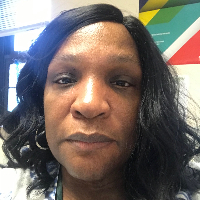
Paula Odom is a Licensed Clinical Social Worker (LCSW) in New York with six years of experience. She helps people manage stress, anxiety, grief, depression, and relationship and intimacy concerns. She also addresses parenting challenges, addiction issues, and work or career stress.
She uses practical, conversation-based methods in session. Paula listens to what matters most and then works with clients to set clear, achievable goals. Sessions often include thought work, behavior changes, and skills for handling strong emotions.
Paula has experience with trauma and abuse, including emotional and physical trauma. She also supports people facing prejudice and discrimination, and those dealing with adoption, foster care, or attachment questions. She draws on mindfulness and emotion-regulation tools to reduce reactivity and calm distress.
Her approach includes client-centered techniques that focus on the person rather than a diagnosis. Cognitive Behavioral Therapy is used to spot thinking patterns that keep problems going. Dialectical Behavior Therapy skills are added when managing intense emotions and relationship challenges.
People who work with Paula commonly address communication problems, blended family issues, caregiver stress, and compassion fatigue. She also offers help around LGBT concerns, intimacy-related issues, and recovery from domestic violence. Work in sessions is practical and often focused on steps people can try between meetings.
How her approaches translate to online work
Client-Centered Therapy prioritizes the person's concerns and perspective. It involves reflective listening and collaboration to set goals and steer sessions toward what the client finds most important. This approach helps with relationship and intimacy issues by focusing on personal values and communication patterns.Cognitive Behavioral Therapy (CBT) focuses on identifying unhelpful thoughts and testing them against reality. Sessions combine discussion with practical exercises and between-session tasks to change thinking and behavior, which can reduce anxiety and improve interactions.
Dialectical Behavior Therapy (DBT) offers skills for emotion regulation, distress tolerance, and interpersonal effectiveness. Those tools can be useful when strong emotions or frequent conflicts make intimacy difficult.
Finding the right approach is part of the work. Paula will discuss options with each client and together they will choose methods that match the person's goals and preferences. That collaborative choice can change over time as needs shift.
Confirm the available session formats before booking, since the biography does not list them. Online appointments can make scheduling simpler and help fit sessions into a busy life. Shorter check-ins, video or phone options, and flexible timing are practical benefits that often help people keep therapy consistent while juggling work, family, or travel.
Frequently asked questions
What kinds of concerns does she address?
She works with stress, anxiety, depression, grief, relationship and intimacy-related issues, and related areas such as parenting, addictions, and trauma.
What is her therapy style like?
Her style is conversational and goal-focused. Sessions combine client-centered talking with practical skills work from CBT and DBT.
How many years has she practiced?
She has six years of professional experience as an LCSW in New York.
What are her credentials and location?
She is an LCSW licensed in New York and works with clients based in or connected to that region.
Which languages are sessions offered in?
Sessions are offered in English. International clients are accepted.
What session formats are available?
Please confirm current session options before booking, as formats are not specified in the biography.
How does pricing work?
Cost varies with location and sessions use a subscription model that can be canceled at any time.
How do I begin working with her?
Use the See online therapy options button, complete a short matching questionnaire, and schedule a first session.