- Anxiety and stress
- Attachment issues
- Mindfulness tools
About Victoria
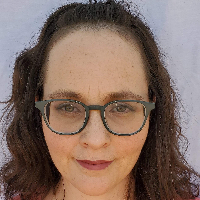
Victoria Cannon is an LCSW (Licensed Clinical Social Worker) practicing in Arizona with 13 years of experience. She works with people dealing with anxiety, trauma, depression, relationship strain, intimacy-related issues and other stressors. She uses a practical, steady approach that focuses on building a working relationship and clear goals.
Victoria aims to help people understand how past experiences and current life intersect. She talks through patterns that keep someone stuck and helps create new coping skills. Sessions focus on small, usable changes that make daily life easier.
Her work often addresses attachment wounds and the effects of traumatic events. She helps people step back from unhealthy relationship patterns and practice new ways of relating. That includes attention to boundaries, communication, and restoring trust in oneself.
Victoria draws on methods such as Acceptance and Commitment Therapy, Emotionally-Focused Therapy, and mindfulness-based tools. She uses these approaches to support emotional regulation, values-based action, and clearer relationship patterns. Therapy is collaborative and goal-oriented.
She notes a focus on areas like grief, addiction, parenting challenges, eating and food-related issues, and mood disorders. People who want to talk about intimacy or recover from past abuse can expect direct, focused work toward practical change. To begin, she asks about current concerns and what someone hopes to achieve in sessions.
How her approaches translate to online work
Acceptance and Commitment Therapy (ACT) helps people clarify their values and take action despite difficult thoughts or feelings. Online sessions can guide practical exercises and values-based planning that you can try between meetings.Attachment-Based Therapy focuses on how early relationships shape current ways of relating. In remote sessions this work looks at recurring patterns, increasing awareness of attachment needs, and practicing new communication steps with real-life examples.
Finding the right approach is part of the work together. The therapist will help identify which methods fit a person’s needs, goals, and preferences and will adjust the plan as progress and feedback come in.
Her biography mentions messaging-based clients, so confirm the full set of session options before booking. Online work can make it easier to fit sessions into a busy life, allow shorter check-ins when needed, and remove travel time. It also makes it possible to practice new skills in day-to-day settings and bring those experiences back into sessions for discussion.
Frequently asked questions
What concerns does she address?
She works with stress, anxiety, depression, trauma and relationship problems, including intimacy-related issues.
What is her therapeutic style?
She emphasizes building a working relationship, clear goals, and practical coping skills. Sessions blend talk work with mindfulness and values-based practices.
How much experience does she have?
She has 13 years of clinical experience working with people on trauma, mood concerns, and relationship patterns.
What credential and location are listed?
She is an LCSW licensed in Arizona and practices from that state.
Which languages are supported?
Sessions are offered in English.
Does she work with international clients?
International clients are not currently accepted.
How are session formats handled?
Her biography notes messaging-based clients; confirm current session options before booking to be sure of the available formats.
How do I get started?
Select the See online therapy options button, complete the short matching questionnaire, and schedule a first session.