- Acceptance and Commitment Therapy
- Cognitive Behavioral Therapy
- Mindfulness practices
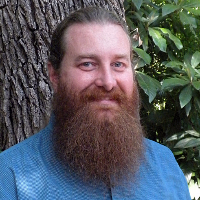
About Jacques
Jacques Noguess is a Licensed Professional Counselor (LPC) in Texas with 14 years as an LPC and nearly three decades in social services. He focuses on stress, anxiety, depression, grief, relationship and intimacy-related issues, and other life challenges. He presents himself as someone who listens and helps people move past what holds them back.
He draws on a mix of approaches in session, including Acceptance and Commitment Therapy, Cognitive Behavioral Therapy, Dialectical Behavior Therapy, Client-Centered Therapy, and Existential Therapy. Sessions tend to be practical and conversational. He uses tools such as mindfulness and motivational interviewing to help clients notice patterns and try new ways of responding.
Jacques has worked with people at many life stages and with varied concerns, from substance issues to trauma and mood disorders. He also addresses topics like fatherhood, caregiver stress, body image, commitment issues, and midlife transitions. He frames difficult moments as opportunities to clarify values and make different choices.
In session he offers clear techniques alongside open listening. He helps people set goals, practice skills, and reflect on meaning and purpose. Treatment can include behavior-focused work, emotion regulation skills, and values-based planning.
Outside work he is a married father of two who enjoys music and travel. Those life experiences inform his practical, down-to-earth approach to therapy.
How his approaches translate to online sessions
Acceptance and Commitment Therapy helps people clarify what matters to them and take steps toward those values, often through simple exercises and behavior changes. Cognitive Behavioral Therapy focuses on identifying unhelpful thoughts and testing new behaviors to change mood and functioning. Client-Centered Therapy emphasizes listening and the client’s own goals, with the therapist reflecting and supporting the client’s choices.Choosing the right approach is collaborative. He will discuss goals, preferences, and what has or hasn’t worked before. Together the client and therapist adjust methods as progress is made, mixing skill practice, reflection, and values work to suit the person’s needs.
Confirm the current session options before booking, since formats are not specified here. Online work can make it easier to fit therapy into a busy life - for example keeping appointments during a workday break or removing commute time. It can also allow shorter check-ins when needed and reduce bandwidth demands by choosing audio over video when appropriate. Ask about available formats when scheduling so sessions match practical needs and day-to-day routines.
Frequently asked questions
What kinds of concerns does he address?
He works with stress, anxiety, depression, grief, relationship and intimacy-related issues, addictions, trauma, and related life changes.
How would you describe his therapy style?
He uses an integrative, practical style that blends ACT, CBT, DBT, client-centered methods, and mindfulness. Sessions are conversational with skills practice when helpful.
What is his clinical experience?
He has 14 years as an LPC and about 29 years total in social services, with work across many client concerns and life stages.
What are his credentials and location?
He is a Licensed Professional Counselor (LPC) licensed in Texas and practices from that state.
Which languages are supported for sessions?
Sessions are offered in English.
Does he work with international clients?
He accepts international clients as part of his practice.
How does pricing work?
Cost varies with location; sessions use a subscription that can be canceled at any time.
How do I begin working with him?
Select the See online therapy options button, complete a short matching questionnaire, and schedule a first session.