- Attachment-based approaches
- Cognitive behavioral tools
- Mindfulness practices
About Erica
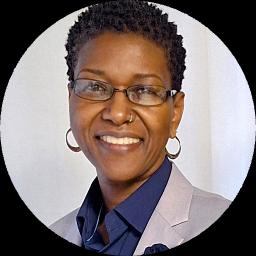
Erica R. Brooks is a Licensed Professional Counselor (LPC) practicing in Missouri with 29 years of experience. She began her career in the St. Louis child welfare system in 1994 and has worked in residential treatment, outpatient mental health services, and with foster care and adoption agencies.
Her early work focused on children and adolescents who experienced deep harm. Over time she expanded to help adults dealing with relationship strain, parenting challenges, and life dissatisfaction often tied to painful childhood experiences. Intimacy-related issues are among the concerns she addresses.
Erica draws on ideas from several counseling theories rather than a single school of thought. She looks at a person’s history, personality, and values when planning care. In practical terms that means sessions tend to connect past experiences to current patterns and habits.
In the room she emphasizes building a reliable working connection before moving into deeper material. Sessions may include talking through relationships, learning new ways to respond, and practicing skills that change everyday behavior. She also incorporates reflective work to better understand attachment and interpersonal patterns.
Her background with foster care and adoption work informs how she sees attachment, abandonment, and family of origin issues. That experience is applied when adults want to reduce the long-term effects of earlier harm and improve how they relate to others.
How Erica’s approaches translate to online work
Attachment-based work focuses on how early relationships shape expectations and behavior in adult relationships. It can help people understand patterns around trust, closeness, and abandonment and is useful for intimacy concerns and family of origin issues.Client-centered therapy emphasizes listening and building a respectful working relationship. It helps people feel heard while they name goals and try small changes in how they relate to others.
Cognitive Behavioral Therapy (CBT) looks at the links between thoughts, feelings, and actions. It offers practical strategies to reduce anxiety, manage mood, and change unhelpful patterns that affect relationships and daily functioning.
Choosing the right mix of approaches is part of the work. Erica will collaborate with each person to identify goals and test which methods fit best, adjusting the plan as progress is made.
Confirm current session options before booking to know the specific online formats offered. Online work can make it easier to fit sessions around caregiving, work, or other responsibilities, and can reduce travel time. Some formats may be simpler for quick check-ins or less bandwidth, while others allow for fuller conversation. The focus is on matching a practical session style to daily life rather than promising a particular service.
Frequently asked questions
What kinds of concerns does she help with?
She works with stress, anxiety, depression, relationship strain, intimacy-related issues, trauma and abuse, parenting concerns, grief, addictions, ADHD, and related problems.
What is her therapeutic style like?
She uses an eclectic approach that draws from multiple counseling theories and focuses on a person’s history, personality, and values when planning work together.
How much experience does she have?
She has 29 years of experience, including long-term work in child welfare, residential treatment, outpatient services, and foster care and adoption agencies.
What credentials and location are listed?
She holds the credential LPC, and practices in Missouri as a Licensed Professional Counselor.
Which languages are supported for sessions?
Sessions are offered in English.
Does she take clients outside the U.S.?
International clients are not currently accepted.
How are sessions paid for and what does it cost?
Cost varies with location and sessions use a subscription that can be canceled at any time.
How do I begin working with her?
Select the See online therapy options button, complete the short matching questionnaire, and schedule a first session.