- Person-centered approach
- CBT and DBT methods
- Art therapy practices
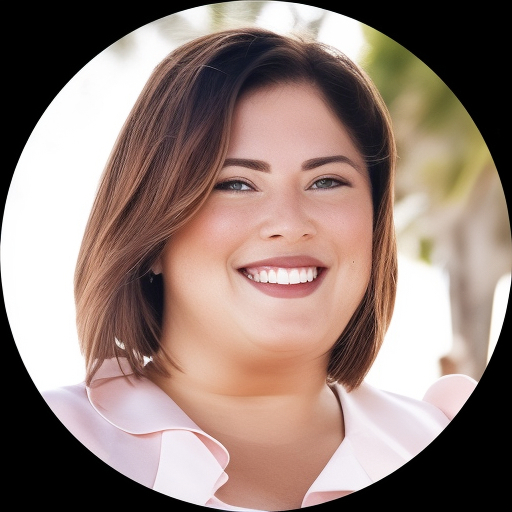
About Jocelyn
Jocelyn Patterson is a Licensed Mental Health Counselor (LMHC) in Florida with seven years of clinical experience. She works with people facing stress, anxiety, depression, bipolar symptoms, addictions, grief, and intimacy-related issues. She also addresses relationship and family concerns and supports coping with life changes.
Patterson uses a person-centered style that focuses on the client’s goals. She draws on Cognitive Behavioral Therapy (CBT), Dialectical Behavior Therapy (DBT), Motivational Interviewing, Emotionally-Focused Therapy (EFT), and Art Therapy practices. In sessions she helps people identify coping strategies, sort through emotions, and try new ways of responding to problems.
Her background includes work in hospital settings and intensive outpatient programs over the past three years. That experience gave her regular exposure to people managing mood symptoms, personality-related patterns, substance concerns, and crisis-related needs. Practical skills for anger management, impulse control, and relapse prevention are part of her toolkit.
Patterson integrates creative approaches from art therapy to expand how clients express difficult feelings. Visual tasks can help when words feel limited or when talking feels embarrassing. She frames those exercises as additional ways to gain insight, not as mandatory tasks.
Clients who prefer an active, collaborative therapist will find a straightforward process: clarify goals, try specific strategies, and reflect on what helps. Her aim is to guide people toward clearer decisions and more effective coping, using both talk-based methods and creative expression.
How her approaches translate to online work
Client-Centered Therapy focuses on the client’s own goals and pace. It emphasizes listening, reflection, and making decisions together to address problems like relationship strain or low self-esteem.Cognitive Behavioral Therapy (CBT) looks at the links between thoughts, feelings, and behaviors. It introduces practical exercises and experiments to reduce anxiety, manage mood, or change unhelpful habits.
Dialectical Behavior Therapy (DBT) teaches skills for emotion regulation, distress tolerance, and interpersonal effectiveness. These tools can help with anger, impulsivity, and managing intense emotional states.
Choosing the right approach happens collaboratively. The therapist will discuss goals, try strategies, and adjust methods based on what helps. Clients are invited to give feedback so sessions match their needs and preferences.
Session formats are not specified in the biography, so confirm available options before booking. Online work can make it easier to fit sessions into a busy week, allow shorter check-ins when needed, or avoid travel time. The therapist will explain which methods transfer well to remote sessions and which activities might need adaptation.
Frequently asked questions
What concerns does she help with?
She works with stress, anxiety, depression, bipolar symptoms, addictions, grief, relationship and intimacy-related issues, and coping with life changes.
What is her therapeutic style?
She uses a person-centered style and draws from CBT, DBT, EFT, motivational interviewing, and art therapy practices to fit the client's needs.
How much experience does she have?
She has seven years of experience, including recent work in hospital settings and intensive outpatient programs.
What credential does she hold and where is she based?
She is an LMHC (Licensed Mental Health Counselor) credentialed in Florida and practices there.
Which languages are supported?
Sessions are offered in English.
Does she work with international clients?
International clients are not currently accepted.
How are sessions paid for?
Costs vary by location and sessions use a subscription model that can be canceled at any time.
How do I begin working with her?
Select the See online therapy options button, complete the short matching questionnaire, and then schedule your first session.